

Information

1 / 9 PagesView full catalog
Information
Product catalog summary
LED Information
LEDs (Light Emitting Diodes) are semiconductor devices that convert electrical current into light. They are compact and offer significant manufacturing advantages over traditional light sources. Since their industrial introduction in 1970, LEDs have improved in range and efficiency, with white LEDs achieving efficiencies close to 100 lm/W by 2006, surpassing traditional lamps like halogen and fluorescent.
LEDs (Light Emitting Diodes) are semiconductor devices that convert electrical current into light. They are compact and offer significant manufacturing advantages over traditional light sources. Since their industrial introduction in 1970, LEDs have improved in range and efficiency, with white LEDs achieving efficiencies close to 100 lm/W by 2006, surpassing traditional lamps like halogen and fluorescent.
LED Construction and Efficiency
LEDs consist of semiconductor layers that emit monochromatic light when polarized. The light color depends on the materials used, and efficiency improves with technological advancements. Multiple LEDs are often needed to match the light intensity of traditional lamps. Proper power supply is crucial for optimal performance and longevity.
LEDs consist of semiconductor layers that emit monochromatic light when polarized. The light color depends on the materials used, and efficiency improves with technological advancements. Multiple LEDs are often needed to match the light intensity of traditional lamps. Proper power supply is crucial for optimal performance and longevity.
Advantages of LEDs
LEDs' small size allows for compact designs. They are durable, resistant to mechanical stress, and suitable for challenging environments. Colored LEDs eliminate the need for filters, and their low power consumption supports use with solar panels. LEDs emit cold light, ideal for heat-sensitive applications.
LEDs' small size allows for compact designs. They are durable, resistant to mechanical stress, and suitable for challenging environments. Colored LEDs eliminate the need for filters, and their low power consumption supports use with solar panels. LEDs emit cold light, ideal for heat-sensitive applications.
LED Modules and Design
LED modules integrate LEDs with current-regulating components on circuit boards. Designing these modules requires knowledge of electrical, thermal, and optical principles. The variety of LED colors and compactness enable innovative lighting solutions.
LED modules integrate LEDs with current-regulating components on circuit boards. Designing these modules requires knowledge of electrical, thermal, and optical principles. The variety of LED colors and compactness enable innovative lighting solutions.
LED Degradation and Lifespan
LEDs experience a gradual reduction in luminous flux, primarily due to material properties. This degradation is most pronounced initially but slows over time. White LEDs typically last around 10,000 hours, while colored LEDs can last up to 30,000 hours.
LEDs experience a gradual reduction in luminous flux, primarily due to material properties. This degradation is most pronounced initially but slows over time. White LEDs typically last around 10,000 hours, while colored LEDs can last up to 30,000 hours.
LED Categories
LEDs are categorized into 3-5 mm LEDs, Piranha LEDs, SMD LEDs, and high-power LEDs. High-power LEDs have power ratings of 1W, with some reaching 3W or 5W, and a lifespan exceeding 50,000 hours, maintaining about 70% of initial brightness.
LEDs are categorized into 3-5 mm LEDs, Piranha LEDs, SMD LEDs, and high-power LEDs. High-power LEDs have power ratings of 1W, with some reaching 3W or 5W, and a lifespan exceeding 50,000 hours, maintaining about 70% of initial brightness.
LED Reliability and Warranty
LEDs have a low defect rate, with initial failures during the 'infant mortality' period. The failure rate is estimated at 1 LED per 10,000 within the first 10,000 hours. Most LEDs are expected to last up to 100,000 hours. Warranty covers defects within two years, excluding external damage.
LEDs have a low defect rate, with initial failures during the 'infant mortality' period. The failure rate is estimated at 1 LED per 10,000 within the first 10,000 hours. Most LEDs are expected to last up to 100,000 hours. Warranty covers defects within two years, excluding external damage.
Color Tolerances
LED color temperature and chromaticity tolerances depend on various factors. Manufacturers guarantee values within a specified range. White LED color temperatures range from 2850-3800 °K (warm) to 4500-8000 °K (cool).
LED color temperature and chromaticity tolerances depend on various factors. Manufacturers guarantee values within a specified range. White LED color temperatures range from 2850-3800 °K (warm) to 4500-8000 °K (cool).
Technical Specifications and Standards
LEDs must be used according to instructions and standards, with appropriate power supplies. Products conform to EU directives and are marked with CE certification. Installation should be performed by professionals.
LEDs must be used according to instructions and standards, with appropriate power supplies. Products conform to EU directives and are marked with CE certification. Installation should be performed by professionals.
Performance Data
Tables provide values for luminous flux, lighting intensity, luminance, and illumination. Data for 1W LEDs at 5500°K with different beam angles show lux values at various distances.
Tables provide values for luminous flux, lighting intensity, luminance, and illumination. Data for 1W LEDs at 5500°K with different beam angles show lux values at various distances.
General Conditions
Products should be used by qualified professionals and installed according to standards. The manufacturer disclaims responsibility for damages from incorrect installation or use.
Products should be used by qualified professionals and installed according to standards. The manufacturer disclaims responsibility for damages from incorrect installation or use.
Product Specifications and Usage
Products must be used according to instructions and safety standards. Installation should be by competent personnel, and deviations must be evaluated for suitability.
Products must be used according to instructions and safety standards. Installation should be by competent personnel, and deviations must be evaluated for suitability.
Warranty Conditions
The warranty is valid for two years if the product is used and installed correctly. It covers repair or replacement of defective products but excludes liability for profit loss or damage due to improper use.
The warranty is valid for two years if the product is used and installed correctly. It covers repair or replacement of defective products but excludes liability for profit loss or damage due to improper use.
Liability and Claims
The manufacturer is not liable for known defects at purchase or damages from natural events. Complaints must be submitted in writing within eight days of receipt. Compensation for contract breaches is capped at double the product's purchase price.
The manufacturer is not liable for known defects at purchase or damages from natural events. Complaints must be submitted in writing within eight days of receipt. Compensation for contract breaches is capped at double the product's purchase price.
Additional Notes
Product images and descriptions are for reference only and may change without notice. Reproduction of the catalog is prohibited without authorization.
Product images and descriptions are for reference only and may change without notice. Reproduction of the catalog is prohibited without authorization.
See more
All Tector catalogs and technical brochures
 LIGHTING 2015 - 2016
276 Pages
 PROFILE 2015
32 Pages
 POOL 2015
40 Pages

Archived catalogs
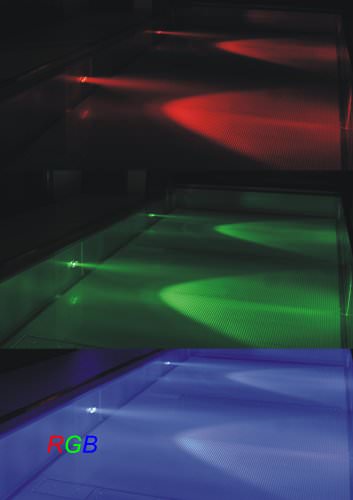 RGB
RGB50 Pages
 Accessories
6 Pages
 RGB
RGB26 Pages
 LED Section 2
34 Pages
 LED Section 1
37 Pages
 Halogen
28 Pages
Related Searches
- Light fixture
- Industrial LED light
- Metal light fixture
- Commercial light fixture
- Industrial LED spotlight
- Recessed light fixture
- Round spotlight
- Aluminum light fixture
- Outdoor light fixture
- Industrial paver
- Surface mounted spotlight
- Orientable spotlight
- Square light fixture
- Exterior paver
- Recessed ceiling light fixture
- Public space paver
- Outdoor spotlight
- IP40 light fixture
- Drive-over paving
- Pedestrian paver
*Prices are pre-tax. They exclude delivery charges and customs duties and do not include additional charges for installation or activation options. Prices are indicative only and may vary by country, with changes to the cost of raw materials and exchange rates.
About ArchiExpo
ArchiExpo is a marketplace that offers B2B players a complete experience, from product sourcing to purchase. ArchiExpo is an entity of VirtualExpo Group.
Are you a buyer?
Are you a supplier?