
- Catalogs
- Steelcase EMEA
- The New I.Q.


The New I.Q.

The New I.Q.
This document, published by Steelcase Inc., explores the evolving dynamics of workplace innovation, emphasizing the critical role of physical space in enhancing an organization's innovation quotient. It highlights the importance of resilient real estate strategies and the need for adaptive systems in healthcare and education.
Resilient companies thrive during tough times by adopting innovative real estate strategies. These strategies enable organizations to adapt and flourish when others struggle, setting the stage for long-term success.
The document redefines I.Q. as the ability of organizations to enhance their innovation capabilities. It stresses the overlooked role of physical space in fostering collaboration and innovation, both virtually and physically, to drive success in the global economy.
This section discusses the need for transformation in healthcare, emphasizing the importance of making every moment count and exploring new trends and insights in workplace research.
As technology reshapes work environments, new solutions are required to address the resulting tensions. The document explores how intelligently designed workplaces can mitigate these challenges and enhance productivity.
The document features insights from various contributors, including designers, researchers, and thought leaders, who provide diverse perspectives on innovation and resilience. Notable contributors include Martin Oberhäuser, Allison Arieff, Chris Congdon, and Andrew Zolli.
Andrew Zolli discusses the importance of resilience in organizations, highlighting the need for empowered middle management and strong social networks. He provides examples of organizational resilience, such as Hancock Bank's response to Hurricane Katrina, and emphasizes the role of trust and collaboration in building resilient enterprises.
The document concludes by underscoring the power of physical environments in fostering trust, cooperation, and resilience. It advocates for a culture of continuous risk-taking and cognitive diversity to enhance organizational resilience and innovation.
Resilience is defined as the ability to adapt to changing circumstances while maintaining core purpose and integrity. It involves building regenerative capacity, listening for change, responding to disruptions, and learning from experiences. These capacities help organizations withstand disruptions and thrive in volatile environments.
The physical environment plays a crucial role in building trust, cooperation, and resilient behavior. Spaces designed to mimic natural environments can reduce stress and enhance pro-social behaviors. The document emphasizes the need for environments that support both individual and collaborative work, adapting to the needs of the organization.
Organizations have implemented AWS like teleworking and hotelling to reduce real estate costs and support work-life balance. However, these strategies must be part of a broader approach that considers the social nature of work. The document highlights the importance of creating work environments that people want to be in, which support collaboration and innovation.
Resilient real estate strategies involve creating modular spaces that can be reconfigured as needed. This modularity allows spaces to adapt to changing organizational needs without increasing costs. The document suggests that vertical real estate can enhance communication and collaboration, contributing to a resilient workplace.
In an interconnected economy, the physical spaces where organizations come together are more important than ever. The opportunity lies in creating destinations that attract people and support their best work, fostering resilient organizations that can grow and thrive.
Clustering involves bringing resources, talent, and ideas into close proximity to enhance interaction and innovation. This principle supports the creation of spaces that facilitate both individual and team work, promoting cross-pollination of ideas and experiences.
Modular design allows for flexible and reconfigurable spaces that can adapt to changing business needs. This approach balances spaces for individual and group work, enabling users to choose environments that best suit their tasks.
Feedback loops provide organizations with data to assess and modify their physical environments. By integrating quantitative and qualitative data, companies can make informed decisions to enhance workplace performance and resilience.
This concept includes a palette of place, posture, and presence, offering a range of spaces for different work modes. It supports choice and control over work environments, leading to a more effective and engaging workplace.
A resilient strategy incorporates clustering, modularity, and feedback to create adaptable and efficient workspaces. This approach reduces real estate costs while enhancing employee performance and satisfaction.
Big data is used to analyze workplace interactions and optimize space design. By tracking employee movements and interactions, organizations can fine-tune their environments to better support communication and collaboration.
Workspring offers a flexible, technology-infused workspace that supports collaborative consumption. It provides an alternative for companies lacking the resources for traditional office spaces, offering a premium environment for meetings and projects.
Workspring aims to provide a "work hospitality" experience akin to a five-star hotel, offering amenities like secure internet, personal lockers, and high-definition videoconferencing. The service is designed to support optimal work performance without intruding on the user's workflow.
Workspring targets corporate coworking, group meetings, extended projects, and social events. It has partnered with Marriott to create a Workspring facility for business travelers. The concept is seen as a potential future workplace model.
Workspring offers a variety of spaces, including coworking forums, quiet libraries, and collaborative studios. It provides flexible membership plans and rental options for group sessions. The service includes high-performance technology and a welcoming atmosphere with personalized touches.
Customer satisfaction is high, with surveys showing a perfect recommendation score. Workspring offers a hosted experience, providing cutting-edge technology and a conducive environment for work and meetings.
Steelcase's research highlights the importance of workplace basics like natural light, air quality, and access to technology. The study shows that satisfied employees are more engaged and productive.
Workspring represents a shift in how workspaces are perceived, offering a dynamic alternative to traditional offices. It caters to a mobile workforce and provides a middle ground between home offices and public spaces.
Innovation is crucial for organizational success and growth. It is a top priority for global business leaders, but faces challenges such as global competition and short-term priorities. Organizations are encouraged to boost their innovation quotient by integrating innovation into their core strategies.
The physical environment significantly impacts innovation by shaping behaviors and facilitating interactions. Spaces should be designed to support both individual and collaborative work, enhancing the innovation process.
Steelcase identifies five insights about innovation: it results from creative collaboration, is a social process, requires a connection between sociology and technology, needs both team and individual work, and involves both physical and virtual collaboration.
Innovation is viewed as a complex adaptive system rather than a linear process. It requires cross-pollination of ideas and diverse teams to thrive. The physical environment should encourage serendipitous interactions and support a diverse range of experiences.
Steelcase created an innovation center to embody their research insights, transforming a former manufacturing facility into a space that fosters innovation. This center aims to accelerate innovation by providing a physical destination that supports innovative behaviors and engages top talent.
The document underscores the necessity of designing intentional spaces that support innovation through diverse and collaborative environments. It highlights the importance of balancing social, spatial, and informational aspects to create a culture of innovation.
The document outlines 21 key questions to assess an organization's innovation quotient, focusing on space design that supports strategy, culture, and innovation. Key considerations include promoting cross-pollination, building trust, and ensuring technological integration for seamless collaboration.
A new typology was developed to support both individual and collaborative work. Key spaces include:
- Lab Guest Interaction Room: For hosting external partners and engaging them in the innovation process.
- Project Studios: Central to the innovation center, supporting team-based work and equipped with videoconferencing tools.
- Mobile Neighborhoods & Enclaves: Provide spaces for individual or small group work, equipped for digital collaboration.
- Exploration Shop & Prototype Studio: Facilitate rapid prototyping and idea iteration.
- Neighborhood Café: A communal zone for socialization and respite, supporting informal engagement.
The innovation center is designed to support global collaboration, with 75% of Steelcase's projects being global. The space aims to minimize distance barriers and enhance virtual presence through telepresence and other technology tools.
The center encourages movement and experimentation, with transparent walls and adaptable spaces. The design supports a variety of postures and work styles, promoting comfort and energy.
The innovation center is a strategic initiative to enhance global collaboration and innovation at Steelcase. It emphasizes user-centered design, flexibility, and the integration of technology to support diverse work processes and team interactions.
Project studios are designed in various sizes to accommodate different team needs. They integrate architecture, furniture, and technology to support collaboration. The vertical plane is crucial for displaying information, and spaces are designed to be reconfigurable to adapt to changing team dynamics. Acoustic privacy and a variety of postures are emphasized to enhance comfort during long sessions.
The innovation center serves as a prototype for testing new ideas and adapting to technological advancements. It is designed to support human interactions, which are essential for innovation. The center includes 13 project studios, each equipped with technology to facilitate large-scale displays and team collaboration.
The document outlines several principles for designing effective workspaces:
- Encourage diverse interactions to foster innovation.
- Make ideas visible and shareable to enhance collaboration.
- Adopt an iterative approach to learning and innovation.
- Create environments that support both co-located and distributed teams.
Steelcase emphasizes a human-centered design approach, focusing on understanding user behavior and needs. This approach ensures that products and spaces are designed with the user in mind, enhancing their work experience and performance.
The document concludes by highlighting the importance of designing workspaces that empower and engage employees. By integrating technology and understanding user needs, Steelcase aims to create environments that support innovation and collaboration.
With the evolution of technology, traditional work postures have changed. Devices like tablets and phones have introduced new ways of working, necessitating a rethinking of ergonomic design. Steelcase's research highlights the importance of designing environments that support healthy postures.
The Gesture chair by Steelcase is designed to accommodate the diverse postures introduced by modern technology. It supports movement and adapts to various tasks, providing comfort and reducing stress on the body.
Steelcase conducted a Global Posture Study involving 2,000 participants across 11 countries. The study identified nine new postures resulting from technology use, many of which were uncomfortable. This research informed the design of the Gesture chair, which supports a wide range of body types and postures.
Steelcase's media:scape solutions facilitate collaboration by allowing distributed teams to share and co-create content easily. Features like the PUCK™ and Virtual PUCK™ enhance user control over content sharing, sound, and lighting, addressing "presence disparity" in virtual meetings.
Steelcase emphasizes efficient space utilization through technologies like RoomWizard and TagWizard. These systems help manage meeting spaces and individual workspaces, optimizing real estate use and improving employee productivity.
Steelcase continues to innovate by addressing the challenges posed by modern work environments. Their solutions aim to create more natural and productive work experiences, integrating technology seamlessly into the workplace.
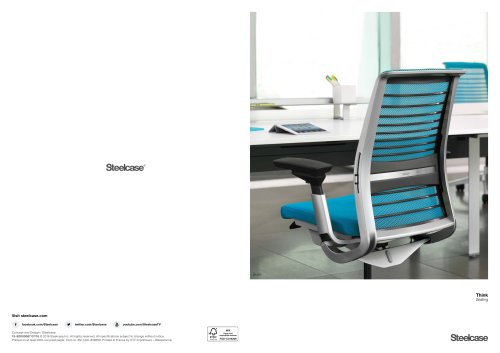
Steelcase's design philosophy emphasizes continuous improvement, even for successful products like the Think chair, originally launched in 2004. The redesign process involved collaboration with engineering and marketing teams, focusing on user feedback and new technologies. The updated Think chair features a new Integrated Liveback® System with 15 linked flexors for enhanced ergonomic support, an advanced weight-activated mechanism, and improved materials for sustainability and comfort.
The healthcare sector is shifting from an illness-based to a wellness-driven model, driven by rising costs and poor outcomes. Steelcase's Nurture researchers identified inefficiencies in patient waiting areas, which often lack comfort, privacy, and connectivity. The Regard™ solution aims to transform these spaces into more engaging environments, offering areas for relaxation, learning, and connection, applicable to both healthcare and other sectors like education and corporate environments.
Mobile computing has enabled work from anywhere, but often at the cost of comfort and support. Coalesse, a Steelcase company, studied mobile workers to understand their challenges. Findings revealed that mobile workers often face ergonomic and emotional stress, working in non-traditional spaces like homes and cafes. The study highlights the need for designing supportive environments for mobile work, considering the increasing reliance on technology and connectivity.
The study utilized a micro-blogging approach to capture real-time data from participants, who included professionals from various fields such as design, marketing, and consulting. This method allowed for the collection of candid insights into the daily experiences of nomadic workers.
1. Challenges of Nomadic Work: Participants highlighted the lack of dedicated workspaces and the resulting inefficiencies. The need for adaptable and inspiring work environments was emphasized.
2. Importance of Environment: The ambiance of different workspaces significantly affects productivity and creativity. Participants noted the need for environments that inspire and support their work.
3. Technology and Mobility: There is a gap between the needs of mobile workers and the current technological solutions available. Access to power and data, as well as ergonomic considerations, are critical.
Coalesse identified three main strategies to address the needs of nomadic workers:
1. Inspiring Destinations: Creating dynamic and configurable spaces that cater to both collaborative and private work modes.
2. Optimizing Mobility: Developing portable and flexible tools that support mobile work, such as the Free Stand laptop stand.
3. Cultivating the Senses: Designing products that enhance physical and emotional comfort, like the Massaud Work Lounge.
The research underscores the need for innovative solutions that accommodate the evolving work habits of mobile workers. By understanding these needs, companies like Coalesse aim to create products that enhance productivity and well-being in diverse work environments.
Technology is increasingly being integrated into educational settings, with laptops, tablets, and smartphones becoming common tools for students at all levels. This shift is moving education away from rote learning towards more personalized and self-directed learning experiences.
With the availability of information online, the role of educators is evolving from content delivery to facilitating problem-solving, communication, and collaboration skills. Classrooms are becoming spaces where knowledge is created rather than consumed.
Blended learning, which combines online and face-to-face interactions, is gaining popularity. Models like the flipped classroom allow students to learn content online and apply it through active learning in the classroom. This approach can be cost-effective and potentially more effective than traditional methods.
The integration of technology in education necessitates changes in classroom design to support both individual and collaborative work. Schools are adapting by creating flexible learning spaces that accommodate various learning activities and technologies.
Massive Open Online Courses (MOOCs) are expanding access to education, though they still face challenges in replicating the social aspects of traditional learning environments. Efforts are being made to enhance student engagement through online social networking and in-person interactions.
Active learning, which emphasizes interaction and engagement, is becoming a critical component of modern pedagogy. Classrooms are being redesigned to support these interactive learning strategies, moving away from traditional row-by-column seating arrangements.
The document concludes by emphasizing the importance of integrating people, technology, and space in innovative ways to enhance educational experiences. As education continues to evolve, the focus remains on creating environments that support active learning and adaptability to new teaching methods.
- The film "Girl Rising" premiered in March 2013, directed by Richard E. Robbins, and tells the stories of nine girls overcoming adversity.
- The initiative uses an innovative distribution method through on-demand crowdsourcing, allowing communities to host screenings.
- "Girl Rising" aims to create a global conversation about the importance of girls' education, supported by a Fund for Girls' Education.
- To date, there have been 1,800 screening requests and 70,000 tickets sold, with support from businesses and organizations.
- Steelcase released a comprehensive corporate sustainability report titled "+Promise," documenting environmental and social practices.
- The report includes a Global Reporting Initiative (GRI) Index with over 120 key performance indicators.
- Steelcase aims to reduce its global environmental footprint by 25% by 2020, focusing on water conservation and energy use.
- The company emphasizes the role of businesses in social change and sustainability, leveraging their influence and resources.
- Artexis Group manages events and exhibitions globally, emphasizing local implementation of global strategies.
- The company values efficiency, creativity, and environmental awareness, adapting practices to local contexts.
- Artexis fosters open communication and collaboration across its offices, enhancing employee engagement and innovation.
The document highlights the importance of education and sustainability in creating a stable and prosperous society. Both "Girl Rising" and Steelcase demonstrate innovative approaches to addressing global challenges through social change and corporate responsibility.
Eric Everard, Chairman and Founder of Artexis, discusses managing a multinational company from Belgium. The company operates in 15 countries, emphasizing the importance of a strong corporate headquarters.
- Dash® Mini LED Task Lamp: Designed by Steelcase to reduce glare and shadows, enhancing workplace lighting.
- Gesture Chair: A chair designed to support new workplace postures identified in the Global Posture Study, addressing discomfort caused by traditional office chairs.
- Think Chair: Redesigned with new materials and technologies for improved performance and sustainability.
- Culture Code: Featured in Harvard Business Review, this research explores how cultural contexts influence office design and productivity.
- Global Posture Study: Identifies nine new postures due to modern technology use, influencing the design of office furniture.
- Design4Next Competition: Challenges students to design future office spaces, with prizes for innovative designs.
- Fortune's Most Admired Companies: Steelcase is recognized for its social responsibility, management quality, and global competitiveness.
Steelcase employees participated in the 4L Trophy rally, delivering school supplies across the Moroccan desert.
- Media:Scape TeamStudio and Kiosk: Enhance collaboration with integrated technology for seamless interaction.
- TagWizard: A space reservation system that simplifies finding and reserving workspaces.
Steelcase continues to innovate in office design, focusing on cultural insights, ergonomic solutions, and sustainable practices to enhance workplace environments globally.
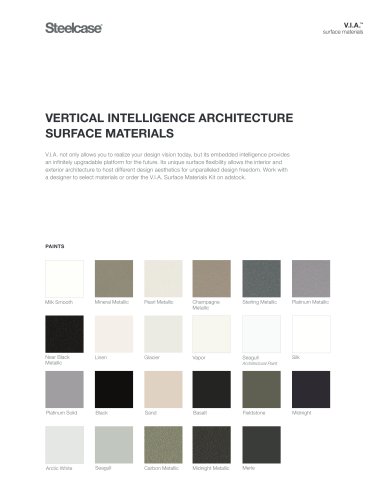
The document discusses the Global Palette, a selection of textiles, paints, laminates, and melamines designed to ensure aesthetic consistency worldwide, despite regional variations in furniture selection. This initiative is based on global surveys and color trend mapping.
The Global Palette is currently available in North America, Europe, the Middle East & Africa, and Asia Pacific.
The Global Palette includes a deliberate range of textures, patterns, colors, and price options. Each element is chosen for global acceptance and relevance across multiple regions.
Paints form the foundation of the Global Palette's material choices. The selection process considered color family, value, range, neutrality, and global trends, resulting in a broad range of creative choices that are beautiful, efficient, intuitive, and easy to order.
For more details, visit steelcase.com.
Catalog excerpts

Issue 7 Exploring workplace research, insights and trends 360.steelcase.com The New I.Q. Q Amplify your Innovation quotient 360N7REN 360 Magazine is published by Steelcase Inc. All rights reserved. Copyright 2013. Design by Plural, in collaboration with Steelcase. Material in this publication may not be reproduced in any form unless you really want to help people love how they work—just ask us first, okay? The Human/Technology Tension The new solutions that address this emerging workplace reality Resilient Real Estate: Space as an adaptive system Healthcare: Time for Change Making every moment count
Open the catalog to page 1
about this issue The thirst for innovation has never been stronger and organizations everywhere are pursuing every possible way to amplify their innovation quotient. Most organizations unknowingly overlook a crucial success factor: the role of physical space. Workplaces that are intelligently designed to bring people together in a fluid process—virtually as well as physically—have unprecedented power to propel innovation in today’s global economy. By working in collaboration with leading think tanks, closely observing innovation at powerhouse companies and conducting intense primary research...
Open the catalog to page 2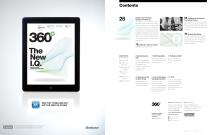
Amplify Your Innovation Quotient: The New I.Q. I.Q. takes on a new definition as organizations everywhere are pursuing every possible way to amplify their innovation quotient. Most unknowingly overlook a crucial success factor: physical space. Workplaces that are intelligently designed to bring people together—virtually as well as physically—have unprecedented power to propel innovation in today’s global economy. Designing for the Human/ Technology Tension Technology is changing everything about the ways we work. Read how new solutions are helping workers address the tension this is causing in...
Open the catalog to page 3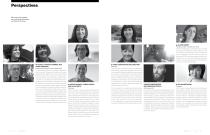
Perspectives Meet some of the people who contributed information and ideas to this issue. ▲ Allison Arieff Freelance writer, The New York Times Allison Arieff applied her perspective as a journalist to write about Steelcase’s latest product innovations. Based in San Francisco, she is an editor and content strategist for the urban planning and policy think tank SPUR, and is also a regular contributor to The New York Times, Wired, Design and other publications. A former book editor, from 2006-2008 she was senior content lead for IDEO. Ritu Bajaj, Patricia Kammer, and Frank Graziano Steelcase WorkSpace...
Open the catalog to page 4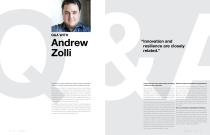
Andrew Zolli Hurricanes. Droughts. Recessions. Network crashes. Geopolitical conflicts. The order of the day seems to be disruption and crisis. That’s why it’s critical for companies to be resilient, says Andrew Zolli, co-author of “Resilience: Why Things Bounce Back,” a book about why some organizations fall apart in the face of disruption while others flourish. Resilient organizations don’t rely on any single plan for the future; they’re agile, cooperative and responsive. Amid change they don’t just survive, they thrive. What builds resilience? Empowered middle management and helping the company’s...
Open the catalog to page 5
“There’s tremendous power in the physical environment to help build trust, cooperation and resilient behavior.” They set up tents and card tables as offices, and offered anyone who needed it—customers and noncustomers alike—150€ cash on the spot. No ID, no problem. It was a radical act of trust in the communities they serve. In the first few weeks after the storm, Hancock loaned out 40 million € cash in this manner. And what was the result? 99.6% of the loans were repaid, and net assets at the bank grew by 1 milliard € in the 90 days after the storm, as people moved their money over to the bank....
Open the catalog to page 6
Resilient Real Estate: By Chris Congdon and Gale Moutrey Space as an adaptive system Amongst the whirlwind of volatility that seems to spin from one crisis to the next, business leaders are looking for new skills and strategies that will help their organizations thrive in the new global economy. At the same time, in this era of unprecedented complexity, the study of resilience has emerged in which scientists, economists, government leaders and psychologists are working to understand how systems, organizations and people can adapt to stay fit within an environment of constant change. In his new...
Open the catalog to page 7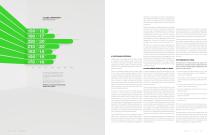
alternative work programs. And some companies that have implemented AWS as a space-cutting strategy often leave real estate idling: 11% of workers who use alternative workspaces still have an assigned workspace. A Global Opportunity Space Per Employee France Germany Ten years ago the average allocation of space per employee in the United States was 23m2. Five years from now it's projected to shrink to 14m2 and other countries are moving in the same direction. Global organizations have an opportunity to not only shrink their real estate footprint but also amplify the performance of their people....
Open the catalog to page 8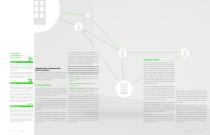
Through our ongoing design research about the behavior of people at work, we know that choice and control over where and how people work is fundamental to satisfaction and engagement. Places that support the various modes of work in ways that consider physical, social and cognitive wellbeing help people be most effective at what they do. The Elements of a Resilient Real Estate Strategy Clustering Design the physical environment to help bring a diverse range of people, resources, tools and ideas into close proximity with each other, while achieving the right level of density—not too sparsely populated...
Open the catalog to page 9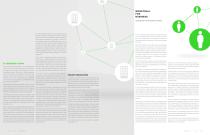
M o n e y ba ll fo r Bu s i n e ss Using big data to develop better workplaces The PricewaterhouseCoopers real estate group closely monitors workplace performance data for each of its member-owned firms by tracking when staff members access PwC’s network, check-in to the hotelling system from digital devices or use an access card. Data is captured daily and segmented by lines of services (tax advisory, assurance, etc.) and types of employees (partners, directors, staff). “Detail is key,” says Steve Adams, PwC’s director of workplace strategy in the U.S. “Who is coming in the office? Are people...
Open the catalog to page 10All Steelcase EMEA catalogs and technical brochures
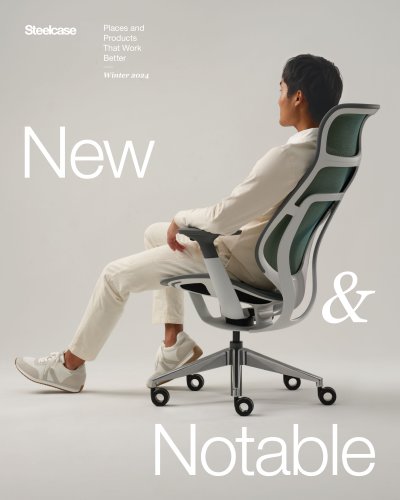 catalogue 2024
13 Pages
 RoomWizard
2 Pages
 MARIEN152
3 Pages
 Lockers Collection
8 Pages
 Steelcase Flex Perch Stool
2 Pages
 PLEASE
6 Pages
 QiVi
QiVi8 Pages
 Steelcase
9 Pages
 Eastside
8 Pages
 Northside
2 Pages
 Thoughtful
2 Pages
 Universal Boundary Screen
2 Pages
 USB Powerstrip
2 Pages
 V.I.A.
15 Pages
 V.I.A. Surface Materials
3 Pages
 Think
Think10 Pages
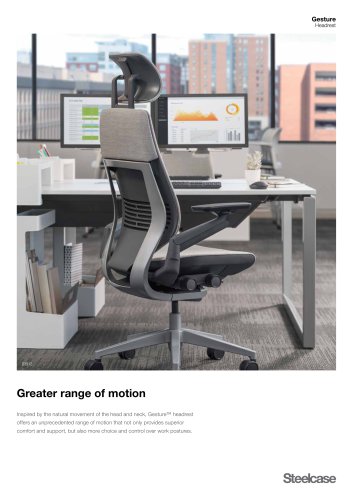 Gesture
2 Pages
 Tenaro
3 Pages
 media:scape
2 Pages
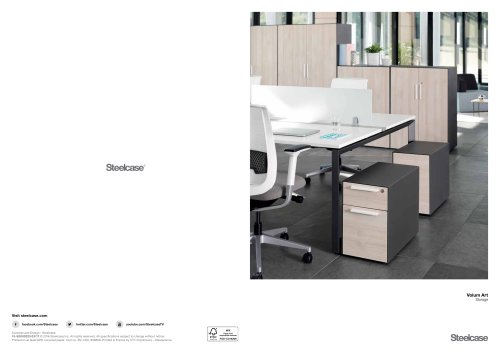 Volum Art
6 Pages
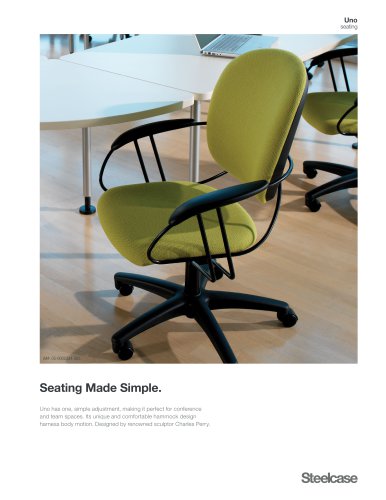 Uno
Uno2 Pages
 Universal Storage
9 Pages
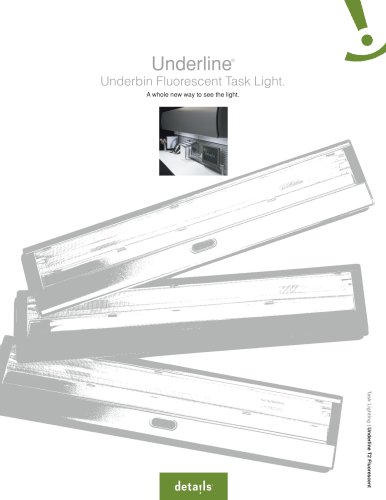 Underline
6 Pages
 Verb
Verb11 Pages
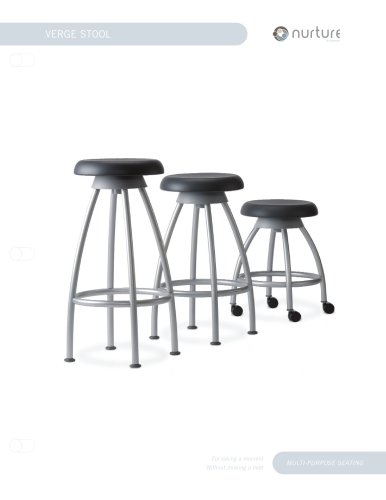 Verge
Verge2 Pages
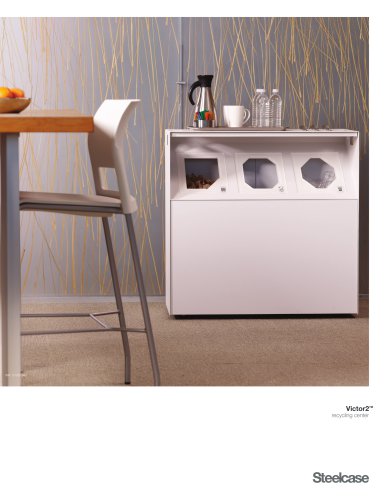 Victor2
3 Pages
 Volley
2 Pages
 Voyage
2 Pages
 Walden
9 Pages
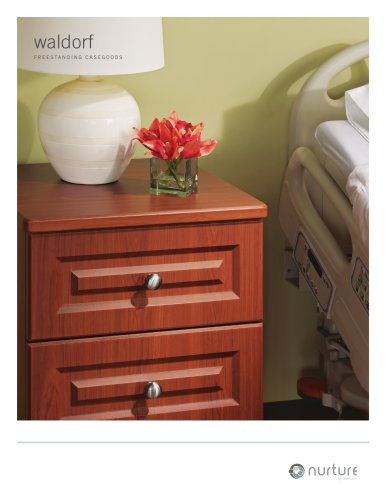 Waldorf
8 Pages
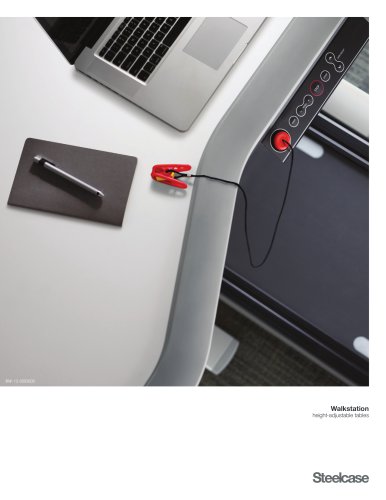 Walkstation
5 Pages
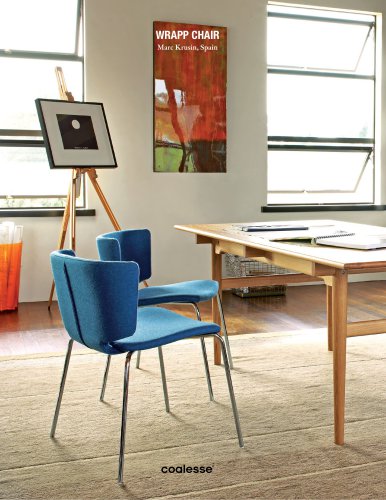 Wrapp
Wrapp4 Pages
 X-tenz
2 Pages
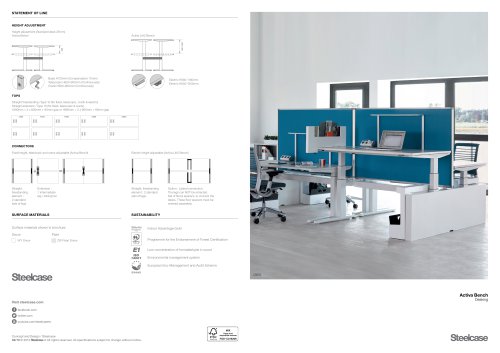 Activa Bench
2 Pages
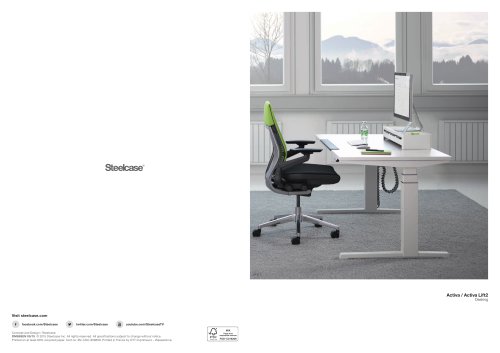 Activa / Activa Lift2
10 Pages
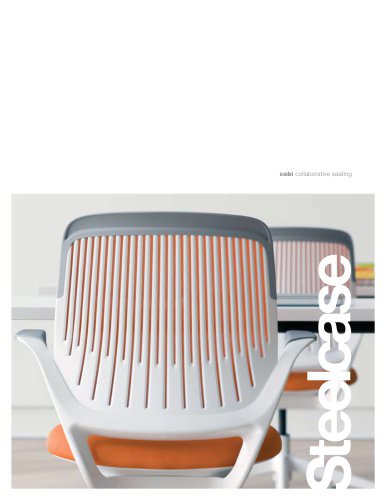 cobi
cobi7 Pages
 Cachet
4 Pages
 Amia
Amia7 Pages
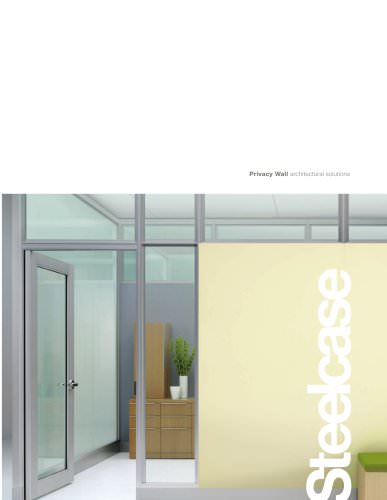 Privacy Wall
20 Pages
 post and beam
16 Pages
 node
node10 Pages
 please
8 Pages
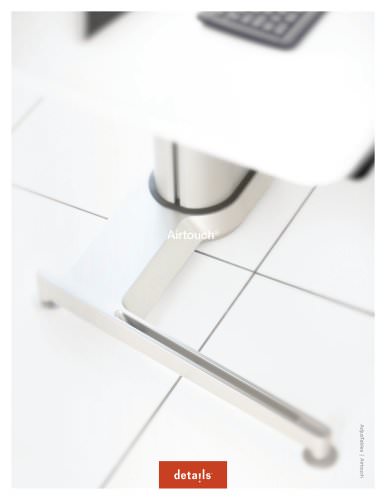 Airtouch
5 Pages
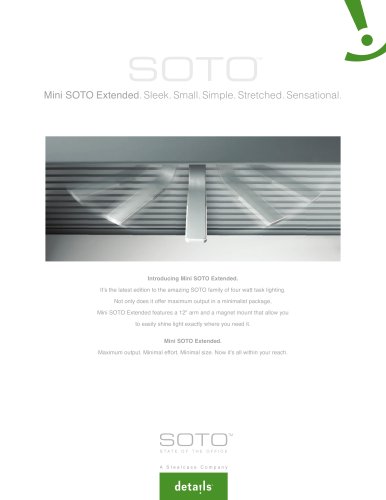 Mini SOTO
2 Pages
 dash
dash5 Pages
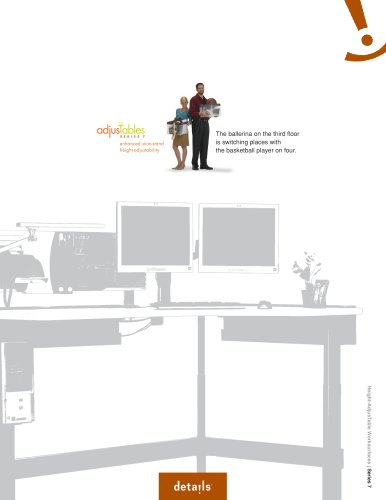 series 7
16 Pages
 task line
8 Pages
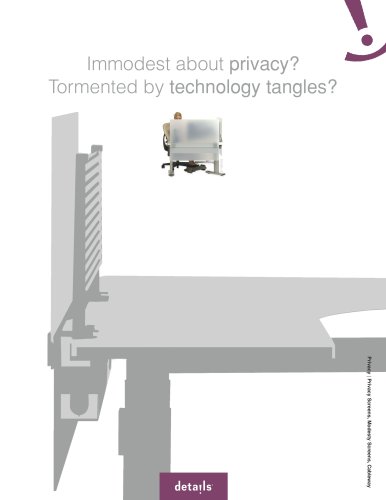 cable way
6 Pages
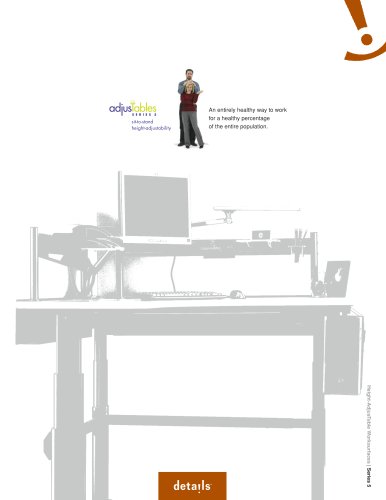 adjustables
12 Pages
 worktools
12 Pages
 soto
soto16 Pages
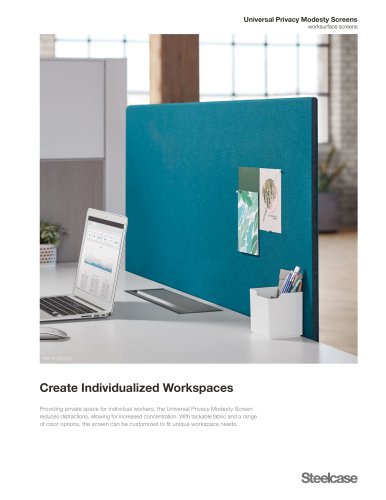

Archived catalogs
 TS Series
2 Pages
 Tour Workspace
9 Pages
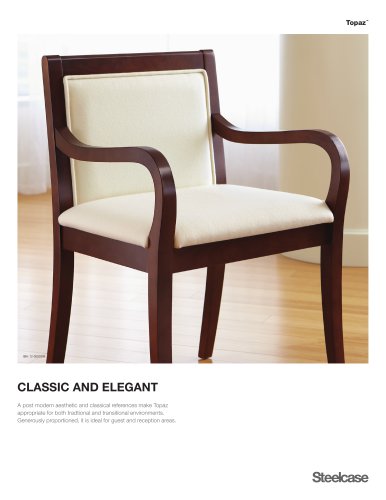 Topaz
Topaz2 Pages
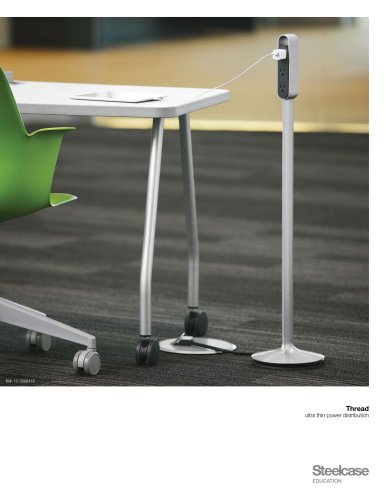 Thread Education
7 Pages
 Train Tables
4 Pages
 Terrazzo
2 Pages
 Topo Seating
4 Pages
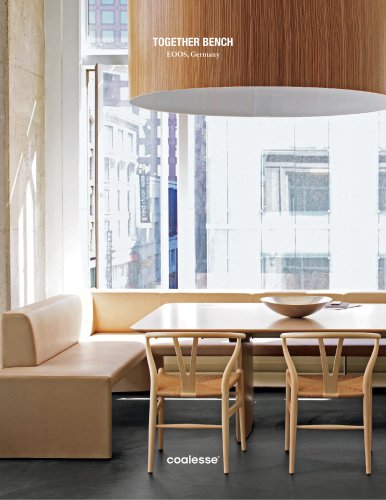 Together
4 Pages
 Thread Corporate
7 Pages
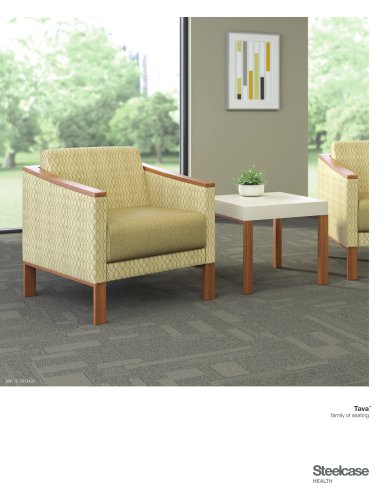 Tava
Tava5 Pages
 adjustable tables
8 Pages
 personal inderline
6 Pages
 FYI - brochure
6 Pages
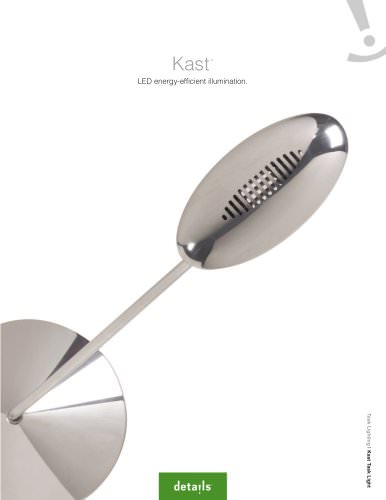 kast brochure
6 Pages
 slatsherf letter
6 Pages
 mobile collapsib
2 Pages
 slider
2 Pages