
- Catalogs
- PROFILITEC
- Cubetec FI

- Company
- Products
- Catalogs
- News & Trends
- Exhibitions
Cubetec FI
Cubetec FI
Catalog excerpts
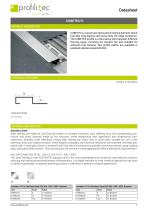
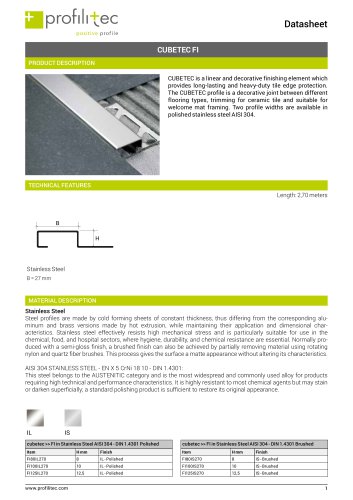
profilit.ec positive profile CUBETEC is a linear and decorative finishing element which provides long-lasting and heavy-duty tile edge protection. The CUBETEC profile is a decorative joint between different flooring types, trimming for ceramic tile and suitable for welcome mat framing. Two profile widths are available in polished stainless steel AISI 304. Steel profiles are made by cold forming sheets of constant thickness, thus differing from the corresponding aluminum and brass versions made by hot extrusion, while maintaining their application and dimensional characteristics. Stainless steel effectively resists high mechanical stress and is particularly suitable for use in the chemical, food, and hospital sectors, where hygiene, durability, and chemical resistance are essential. Normally produced with a semi-gloss finish, a brushed finish can also be achieved by partially removing material using rotating nylon and quartz fiber brushes. This process gives the surface a matte appearance without altering its characteristics. AISI 304 STAINLESS STEEL - EN X 5 CrNi 18 10 - DIN 1.4301: This steel belongs to the AUSTENITIC category and is the most widespread and commonly used alloy for products requiring high technical and performance characteristics. It is highly resistant to most chemical agents but may stain or darken superficially; a standard polishing product is sufficient to restore its original appearance. cubetec >> FI in Stainless Steel AISI 304 - DIN 1.4301 Polished cubetec >> FI in Stainless Steel AISI 304 - DIN 1.4301 Brushed
Open the catalog to page 1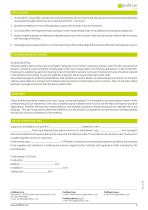
APPLICATION 1. Choose the H-size profile corresponding to the thickness of the tile to be laid, taking care to ensure that the profile does not exceed the edge of the floor but is positioned 0.5 to 1 mm lower. 2. Spread the adhesive in the profile application area with the help of a notched trowel; 3. Cut the profile to the required length and place it with the perforated side in the adhesive, pressing and aligning it; 4. Apply an additional layer of adhesive to the perforation and in the cavities of the vertical section of the profile in contact with the edge of the floor; 5. Generally leave...
Open the catalog to page 2All PROFILITEC catalogs and technical brochures
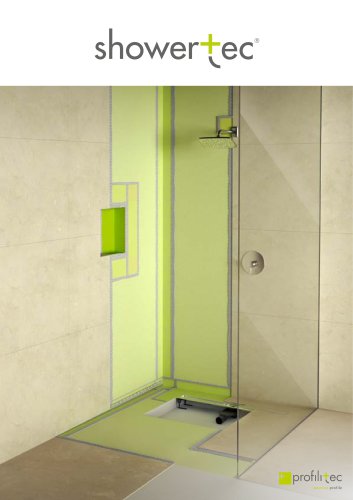 Showertec System
15 Pages
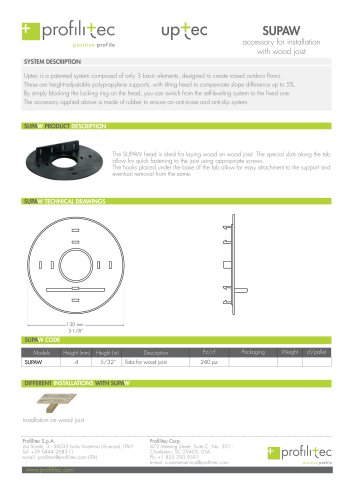 SUPAW
SUPAW1 Page
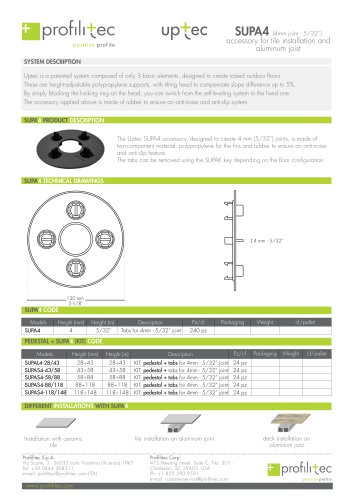 SUPA4
SUPA41 Page
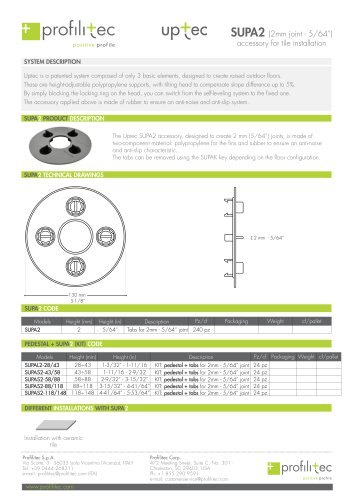 SUPA2
SUPA21 Page
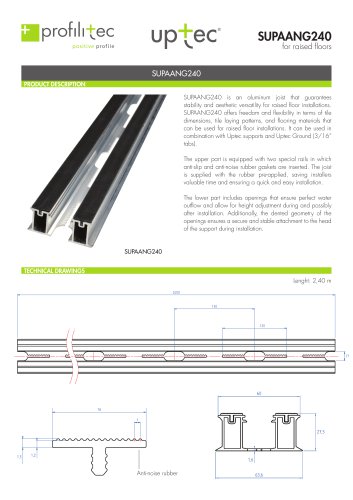 SUPAANG
2 Pages
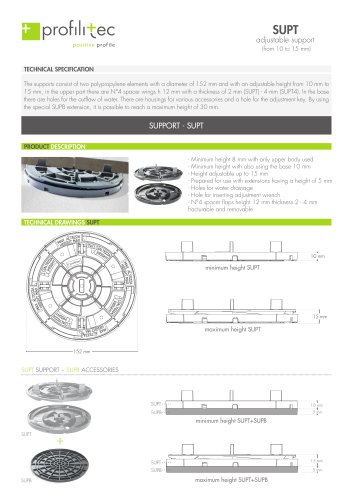 SUPT
SUPT2 Pages
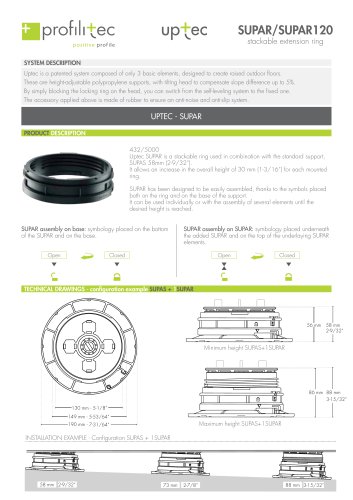 SUPAR - SUPAR120
3 Pages
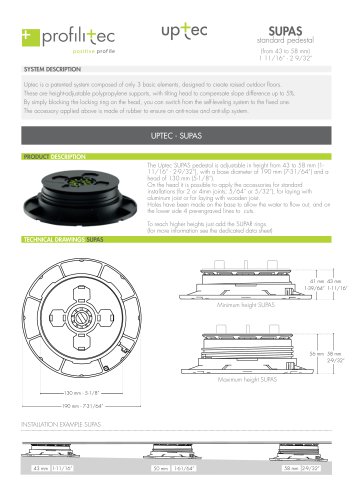 SUPAS
SUPAS2 Pages
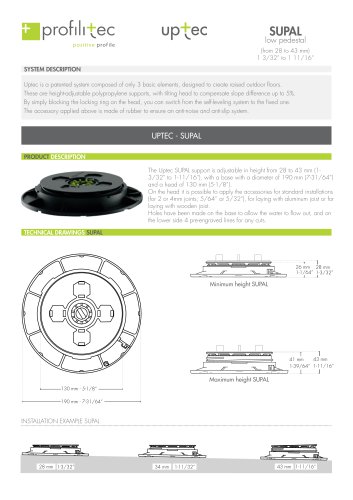 SUPAL
SUPAL2 Pages
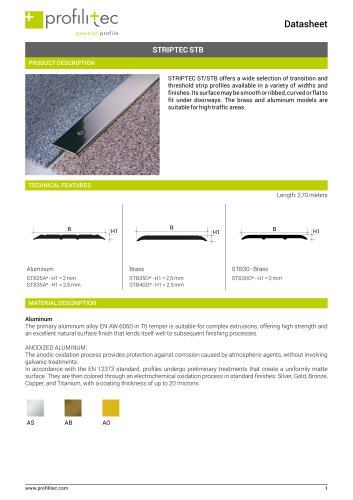 Striptec STB
4 Pages
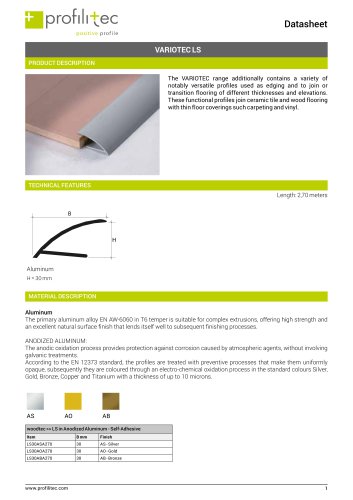 Variotec LS
2 Pages
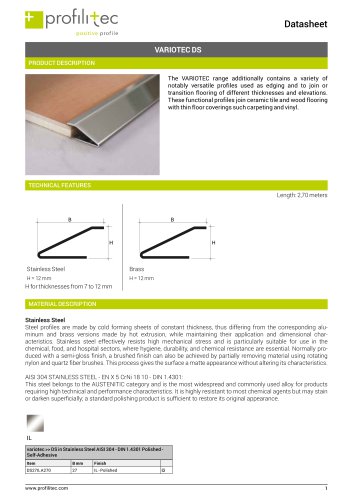 Variotec DS
3 Pages
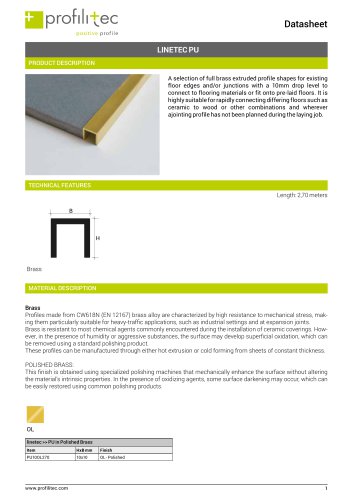 Linetec PU
2 Pages
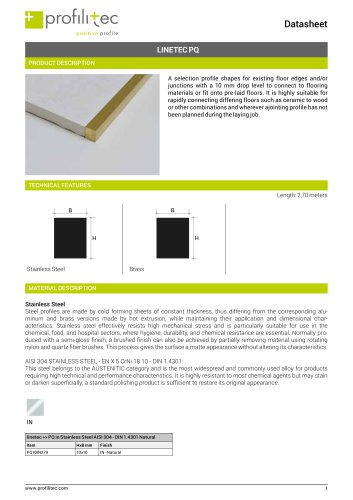 Linetec PQ
3 Pages
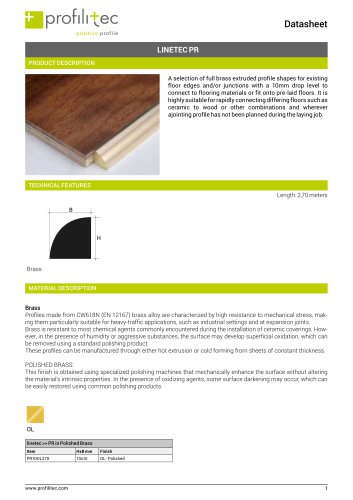 Linetec PR
2 Pages
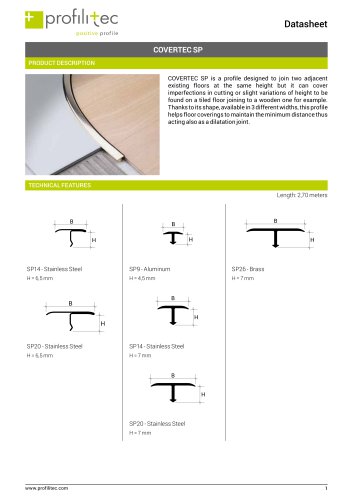 Covertec SP
5 Pages
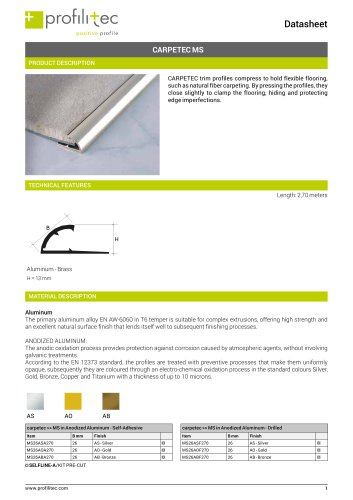 Carpetec MS
4 Pages
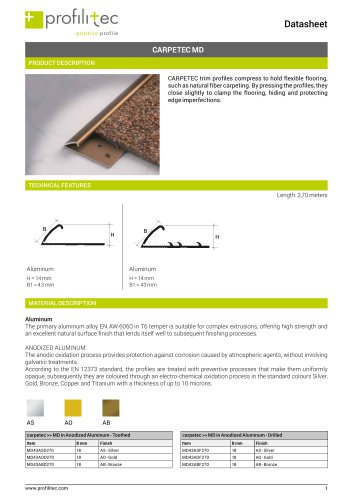 Carpetec MD
3 Pages
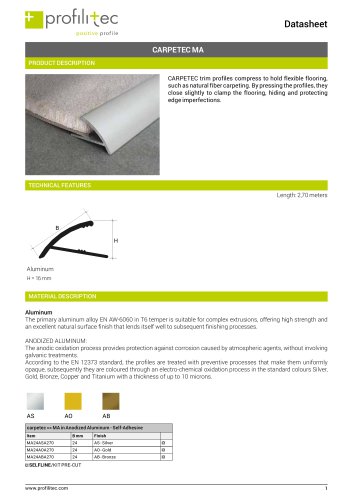 Carpetec MA
2 Pages
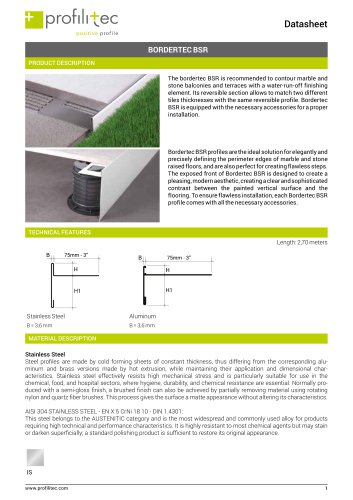 Bordertec BSR
6 Pages
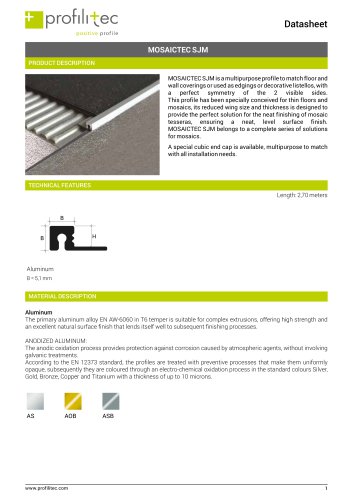 Mosaictec SJM
3 Pages
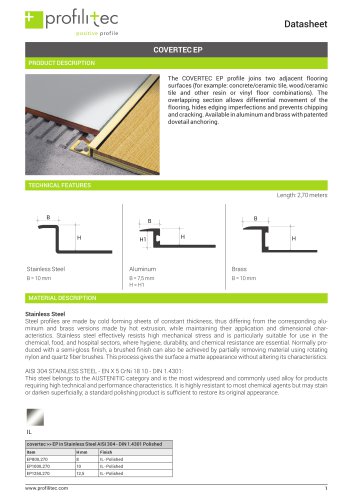 Covertec EP
4 Pages
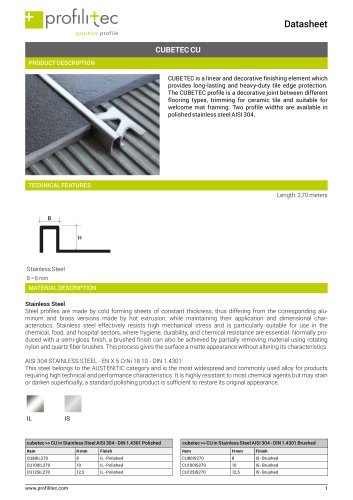 Cubetec CU
2 Pages
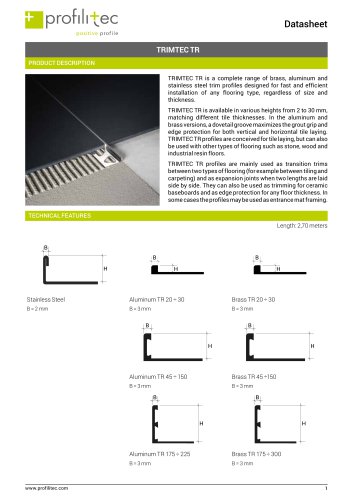 Trimtec TR
6 Pages
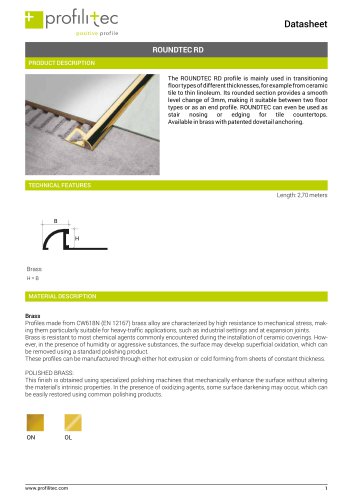 Roundtec RD
2 Pages
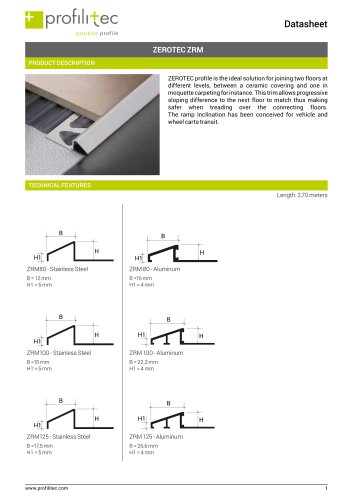 Zerotec ZRM
4 Pages
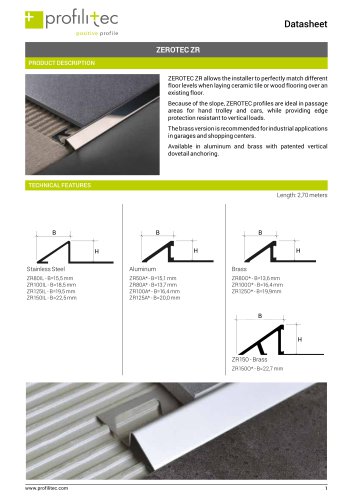 Zerotec ZR
5 Pages
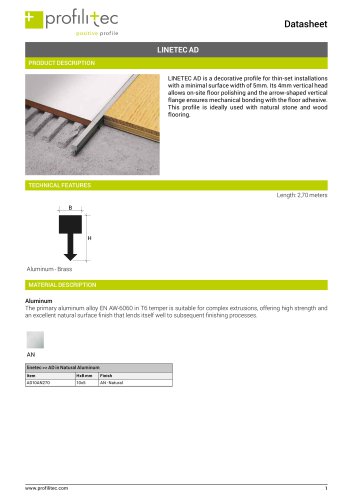 Linetec AD
3 Pages
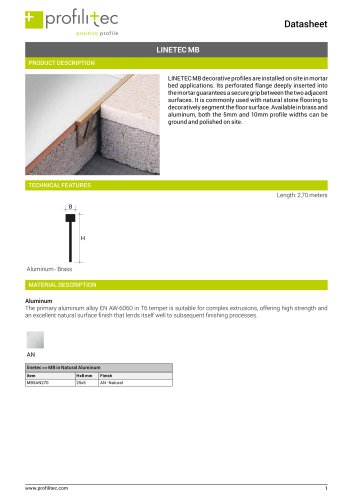 Linetec MB
3 Pages
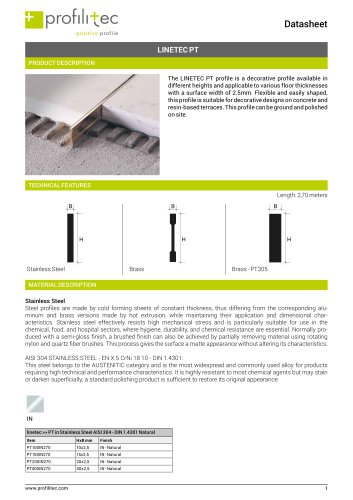 Linetec PT
3 Pages
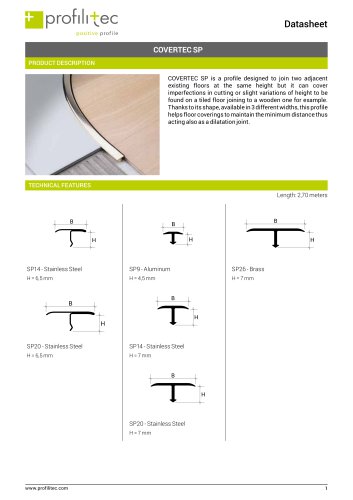 Covertec SP
5 Pages
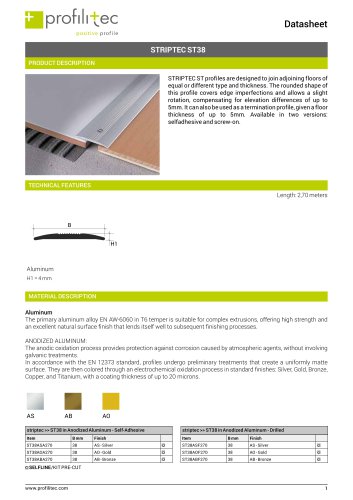 Striptec ST 38
3 Pages
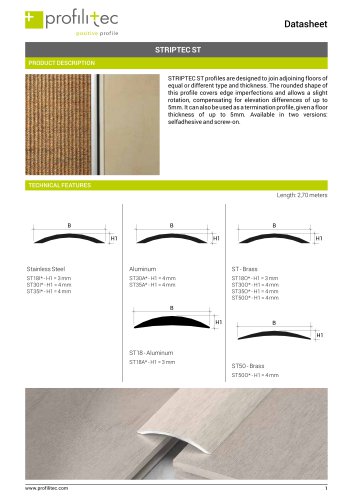 Striptec ST
5 Pages
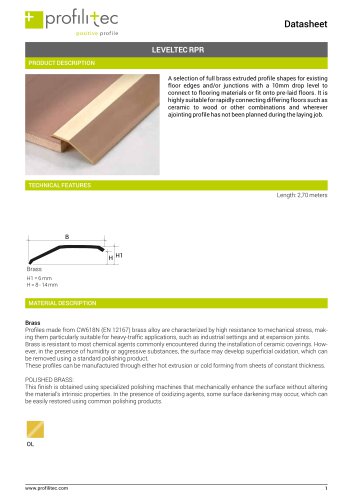 Leveltec RPR
3 Pages
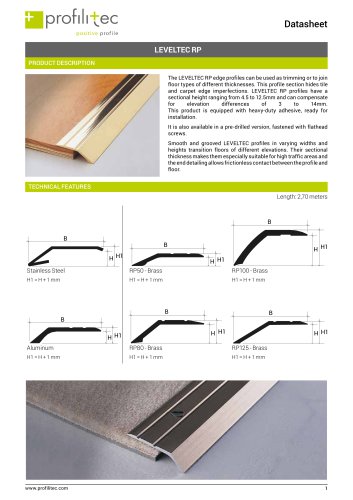 Leveltec RP
5 Pages
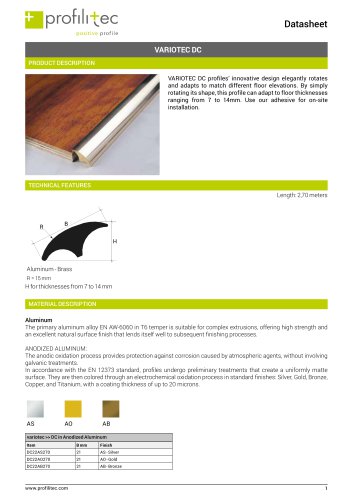 Variotec DC
3 Pages
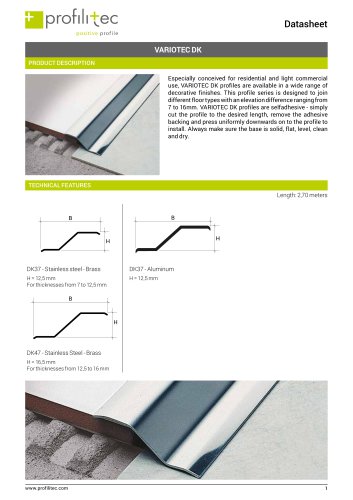 Variotec DK
4 Pages
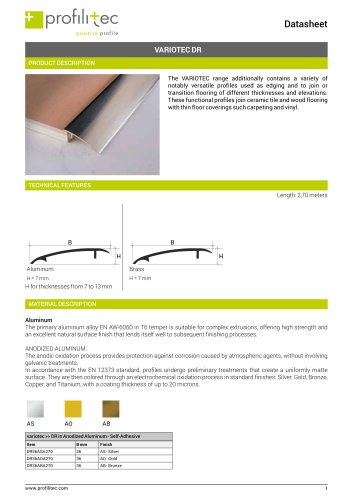 Variotec DR
3 Pages
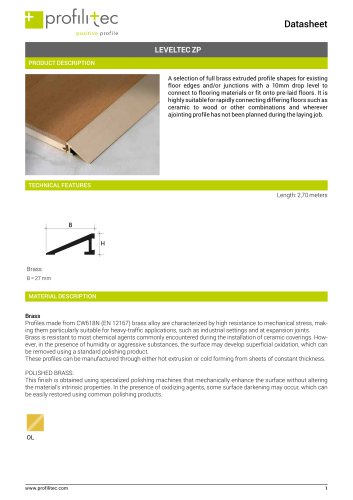 Leveltec ZP
2 Pages
 Fixxtec
2 Pages
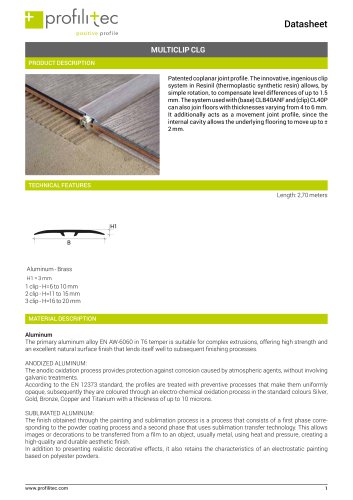 Multiclip CLG 370
4 Pages
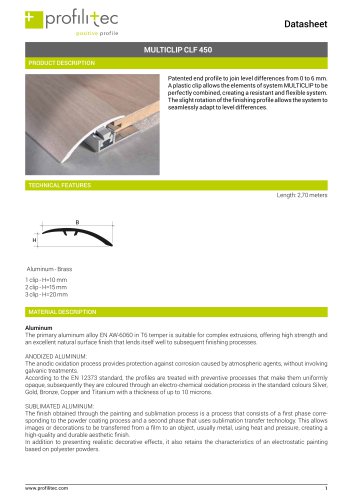 Multiclip CLF 450
4 Pages
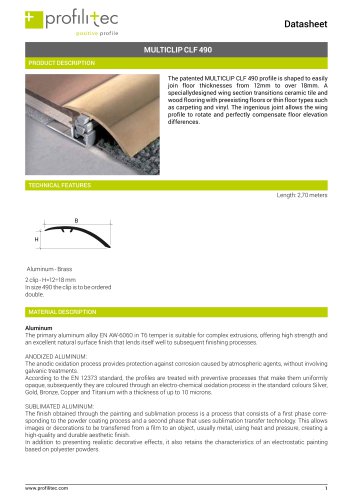 Multiclip CLF 490
4 Pages
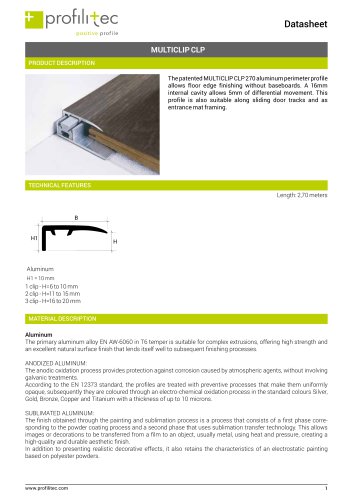 Multiclip CLP
3 Pages
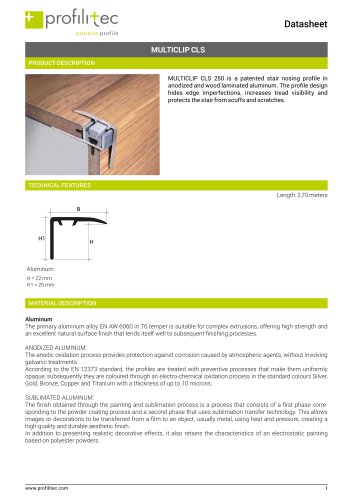 Multiclip CLS
3 Pages
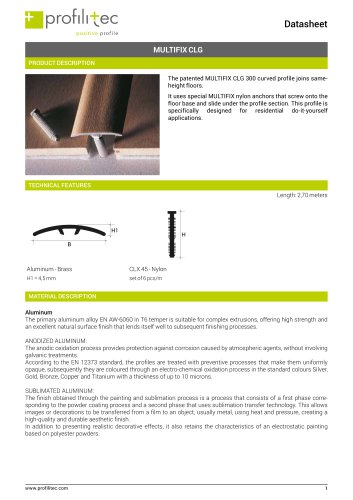 Multifix CLG
3 Pages
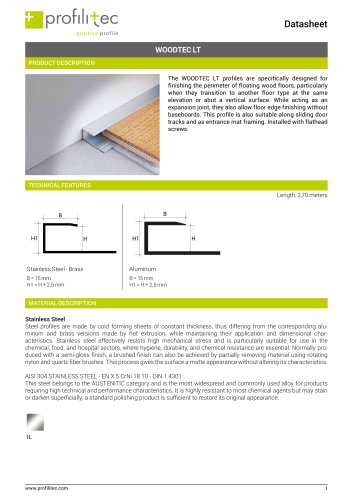 Woodtec LT
5 Pages
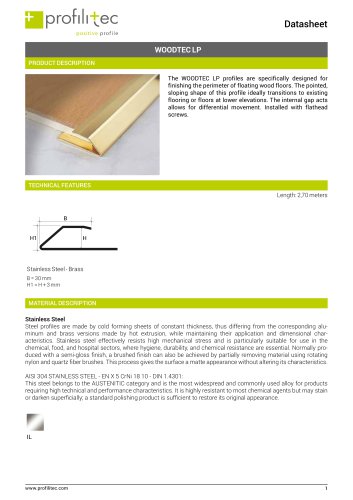 Woodtec LP
3 Pages
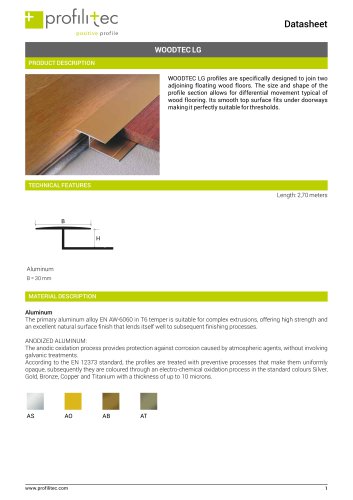 Woodtec LG
3 Pages
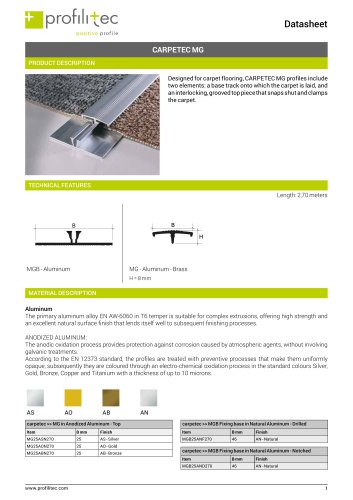 Carpetec MG
3 Pages
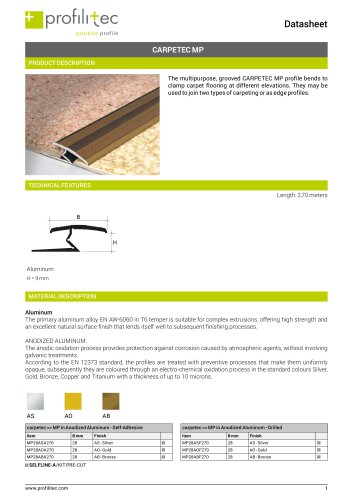 Carpetec MP
3 Pages
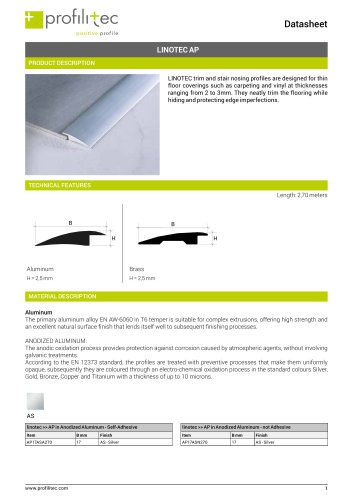 Linotec AP
3 Pages
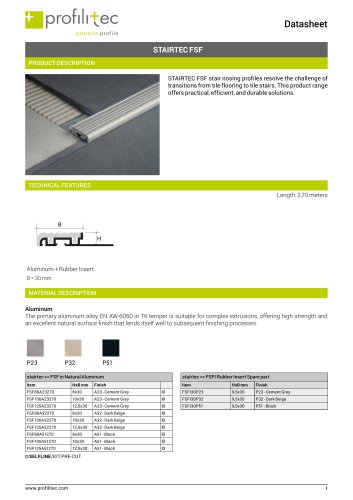 Stairtec FSF
2 Pages
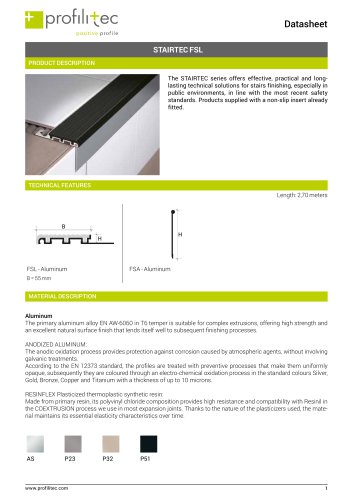 Stairtec FSL
3 Pages
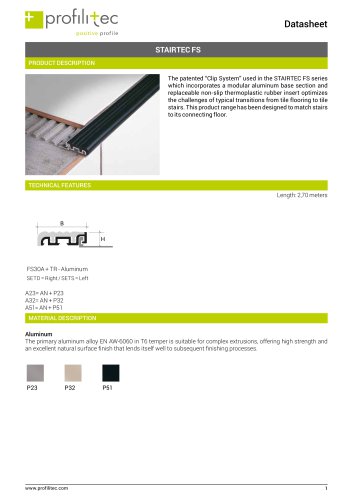 Stairtec FS
3 Pages
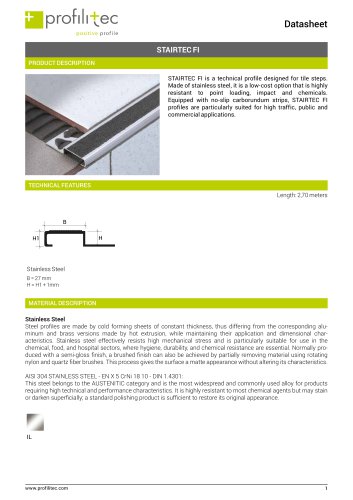 Stairtec FI
3 Pages
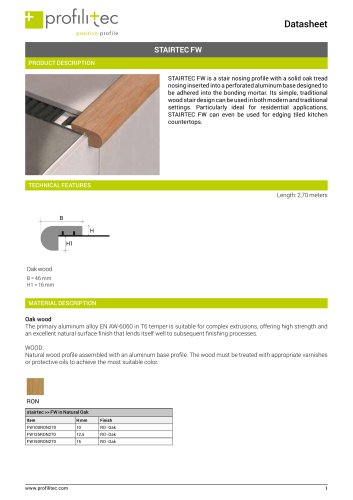 Stairtec FW
2 Pages
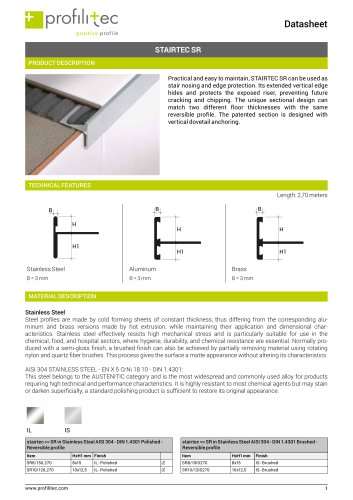 Stairtec SR
4 Pages
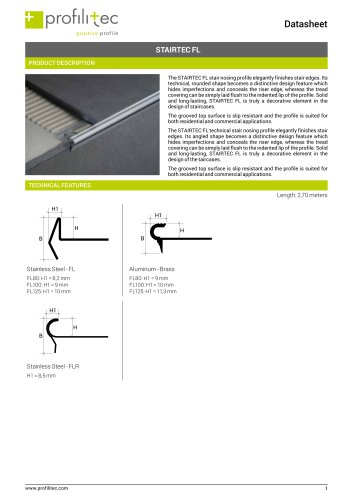 Stairtec FL
5 Pages
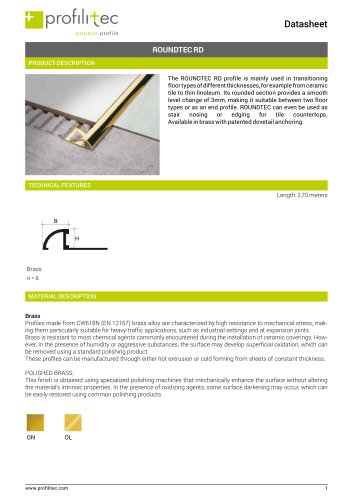 Roundtec RD
2 Pages
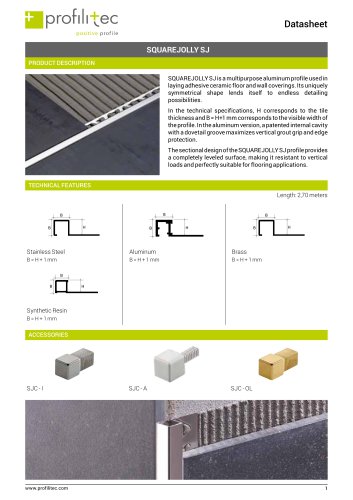 Squarejolly SJ
9 Pages
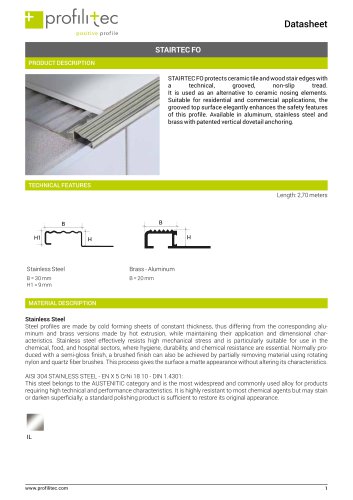 Stairtec FO
4 Pages
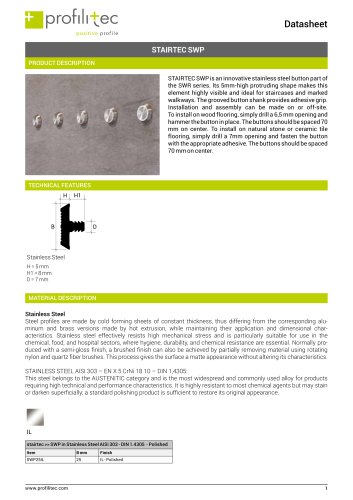 Stairtec SWP
2 Pages
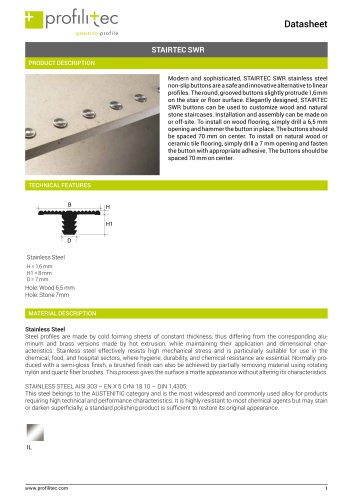 Stairtec SWR
3 Pages
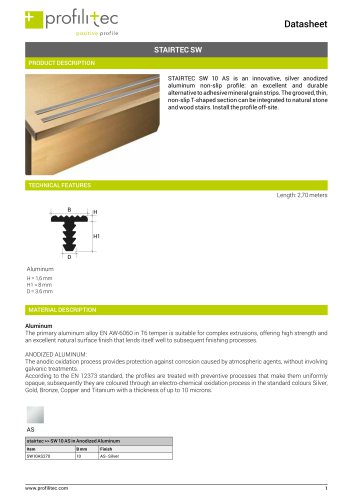 Stairtec SW
2 Pages
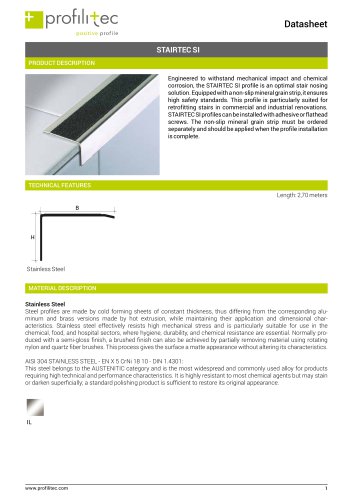 Stairtec SI
3 Pages
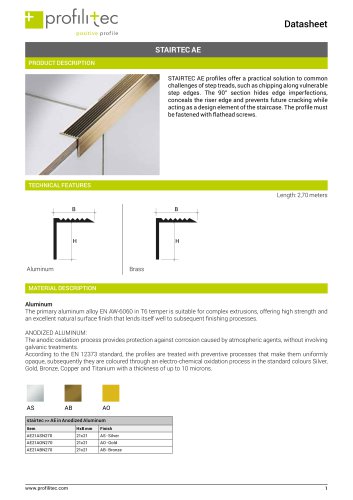 Stairtec AE
3 Pages
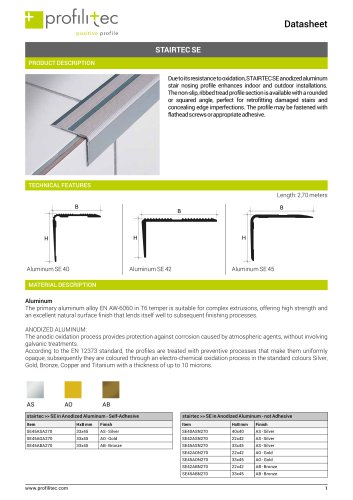 Stairtec SE
2 Pages
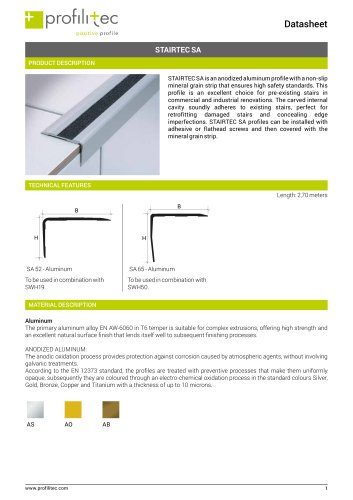 Stairtec SA
3 Pages
 Walktec SWH
2 Pages
 Stairtec SL
3 Pages
 Stairtec SC
2 Pages
 Stairtec SM
4 Pages
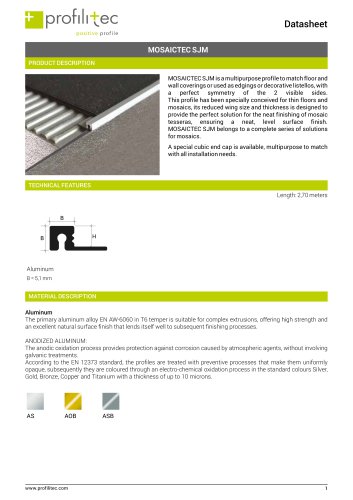 Mosaictec SJM
3 Pages
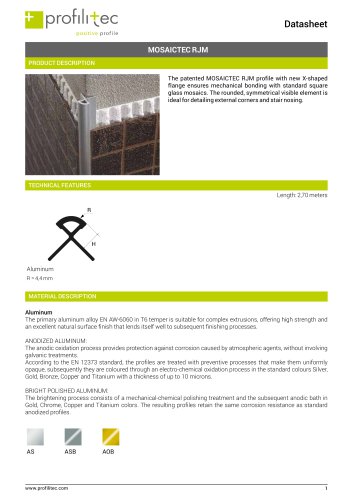 Mosaictec RJM
3 Pages
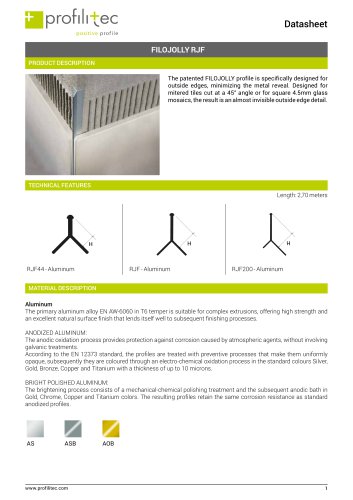 Filojolly RJF
3 Pages
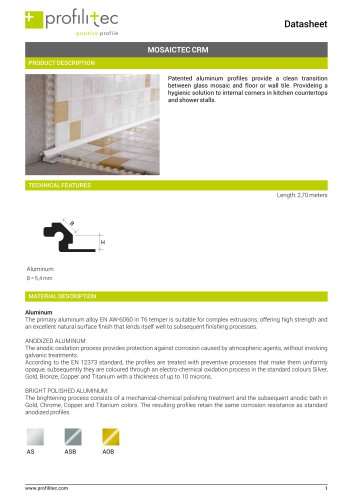 Mosaictec CRM
3 Pages
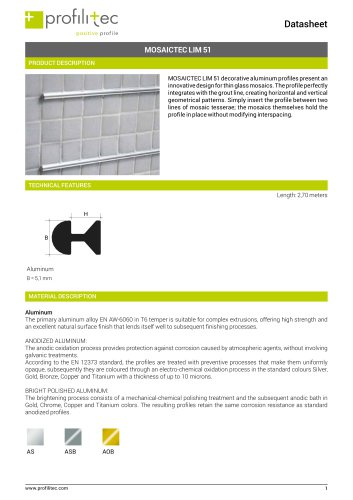 Mosaictec LIM 51
3 Pages
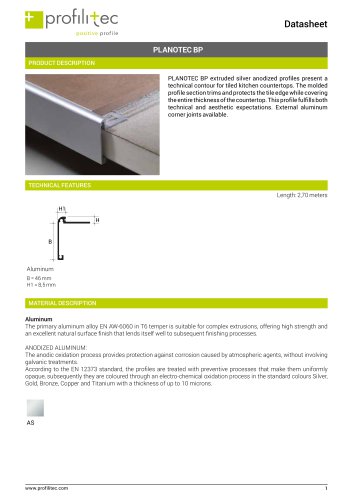 Planotec BP
3 Pages
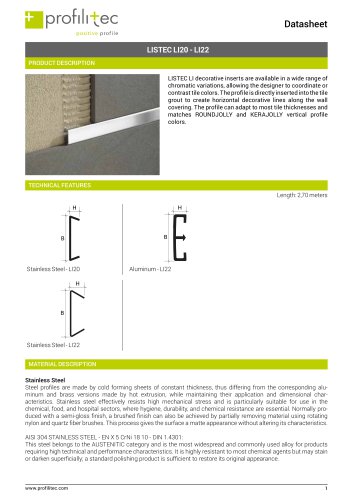 Listec LI 20 - LI 22
4 Pages
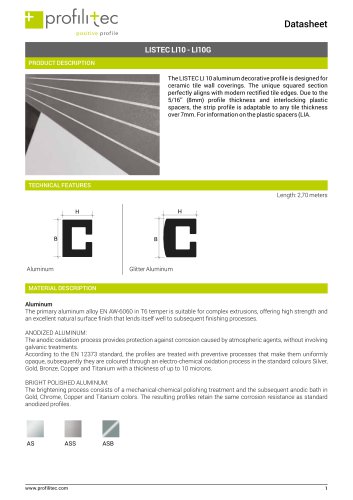 Listec LI 10
3 Pages
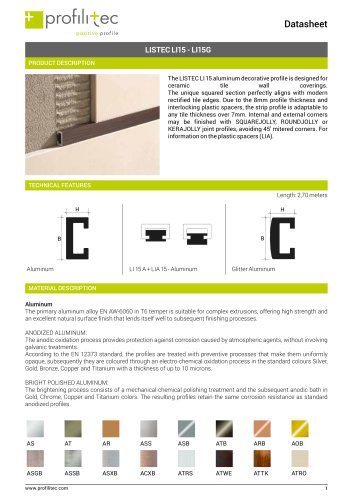 Listec LI 15
3 Pages
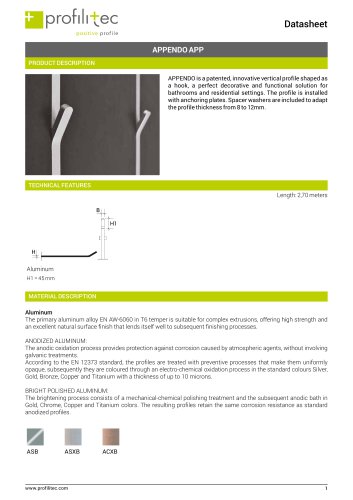 Appendo APP
3 Pages
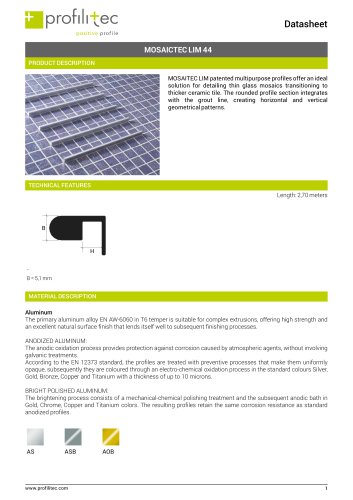 Mosaictec LIM 44
3 Pages
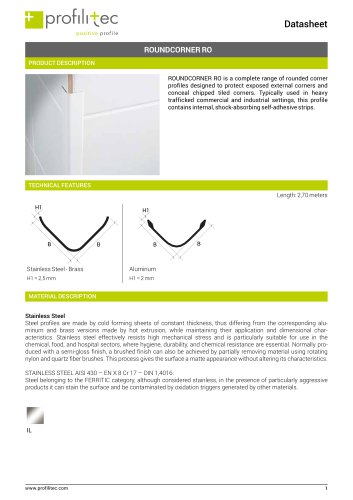 Roundcorner RO
4 Pages
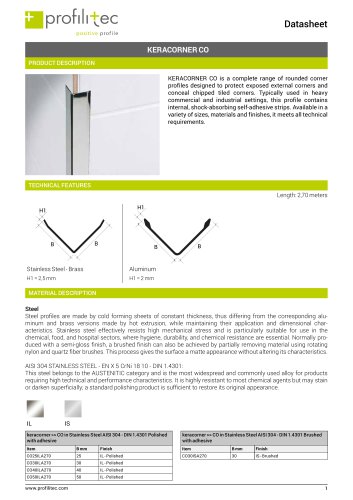 Keracorner CO
4 Pages
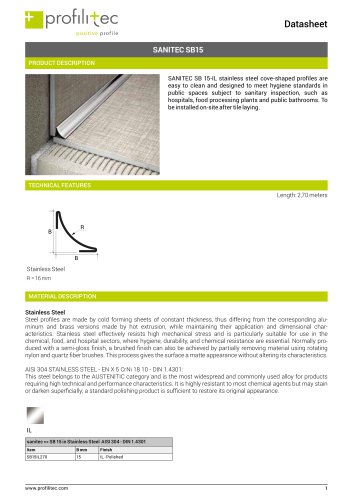 Sanitec SB 15
2 Pages
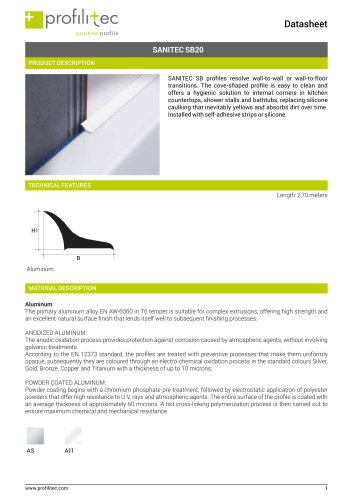 Sanitec SB 20
2 Pages
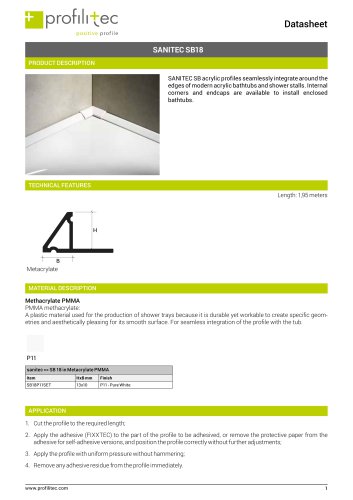 Sanitec SB 18
2 Pages
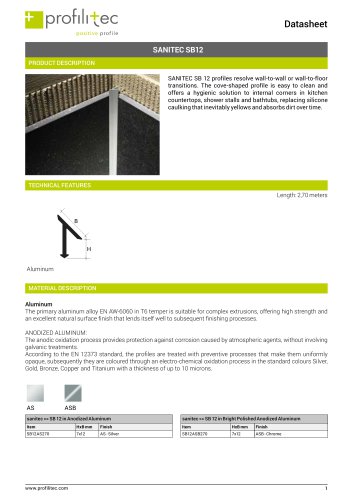 Sanitec SB 12
2 Pages
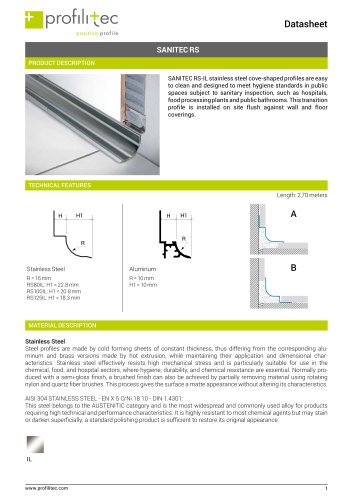 Sanitec RS
4 Pages
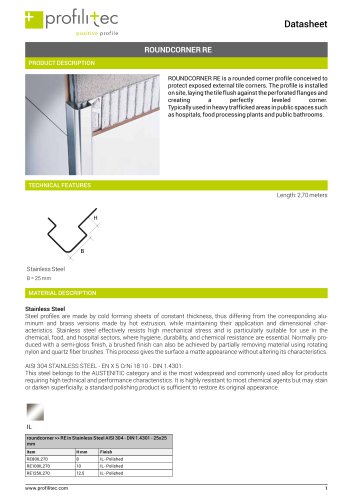 Roundcorner RE
2 Pages
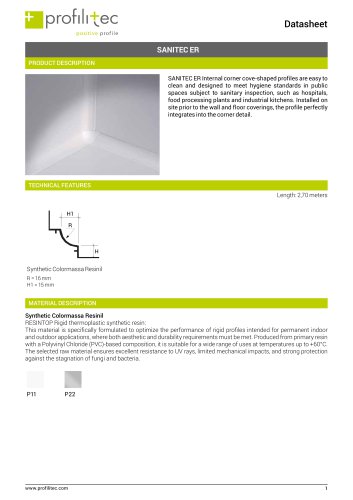 Sanitec ER
3 Pages
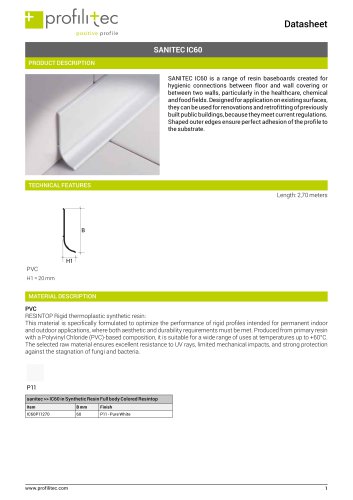 Sanitec IC60
2 Pages
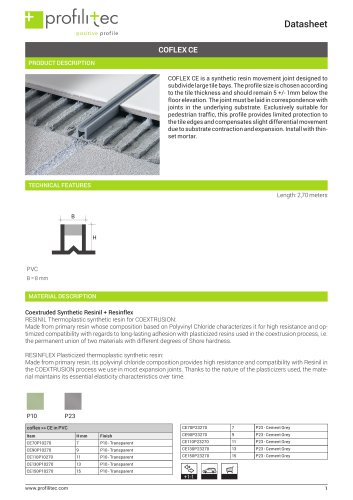 Coflex CE
2 Pages
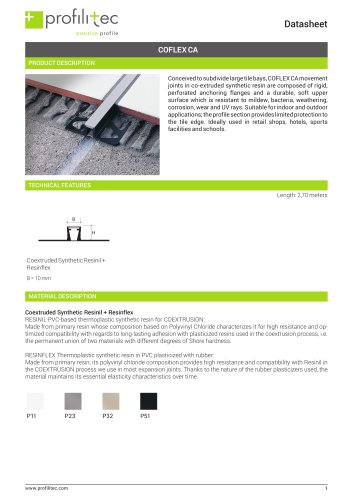 Coflex CA
3 Pages
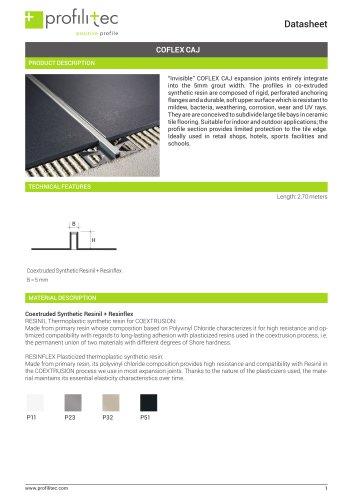 Coflex CAJ
3 Pages
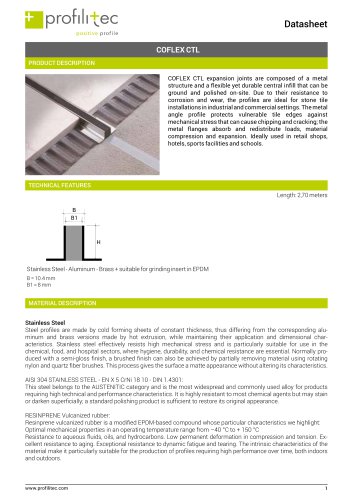 Coflex CTL
5 Pages
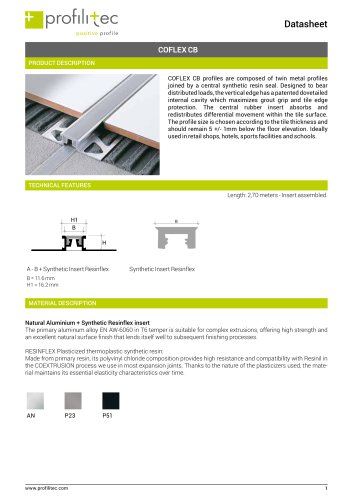 Coflex CB
4 Pages
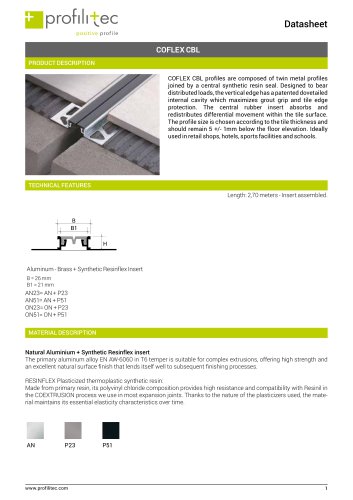 Coflex CBL
4 Pages
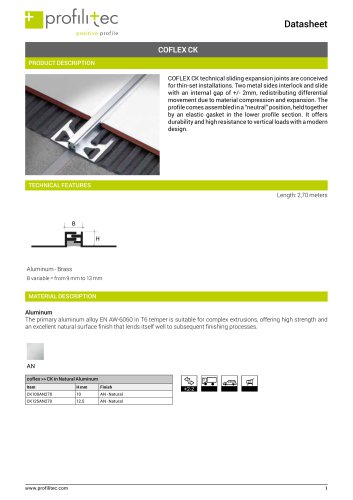 Coflex CK
3 Pages
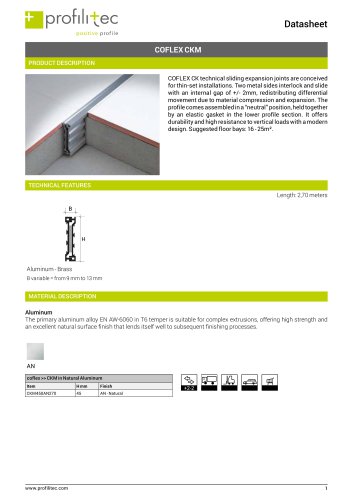 Coflex CKM
3 Pages
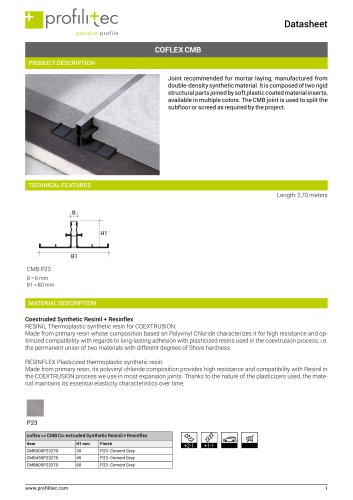 Coflex CMB
2 Pages
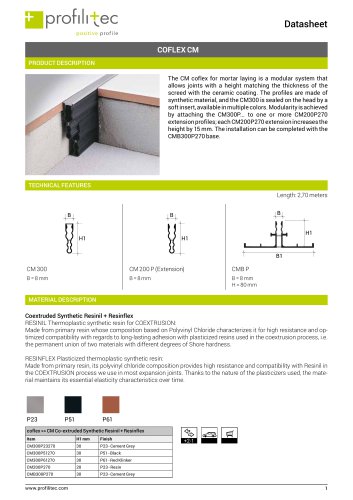 Coflex CM
2 Pages
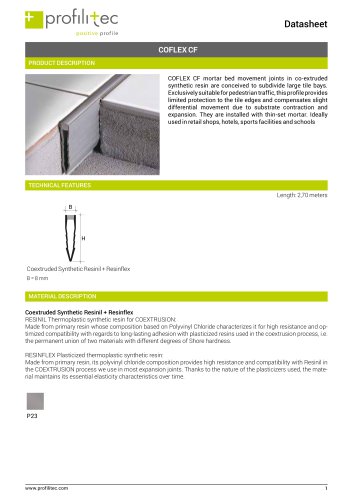 Coflex CF
2 Pages
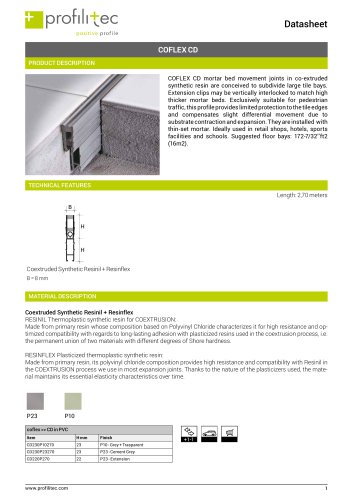 Coflex CD
2 Pages
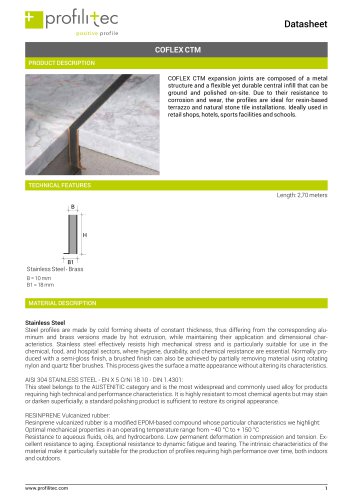 Coflex CTM
3 Pages
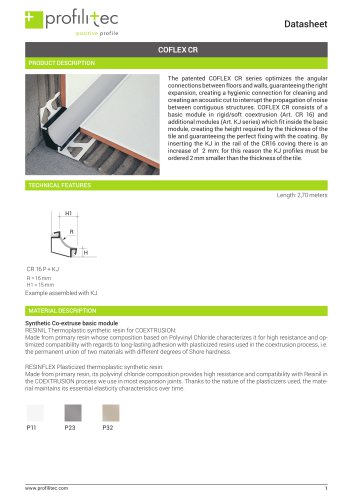 Coflex CR
3 Pages
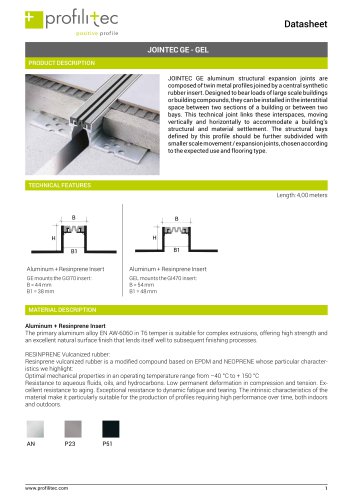 Jointec GE
3 Pages
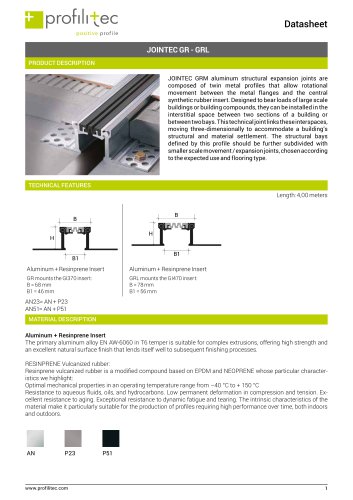 Jointec GR
3 Pages
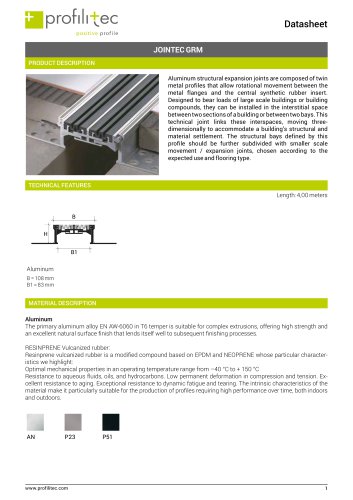 Jointec GRM
3 Pages
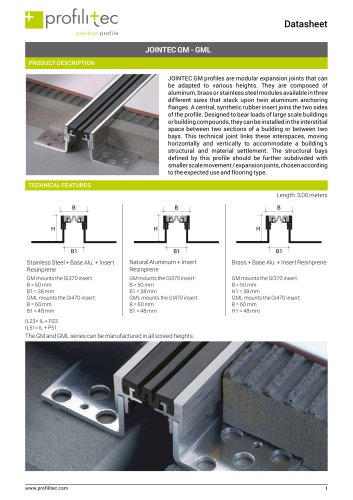 Jointec GM
5 Pages
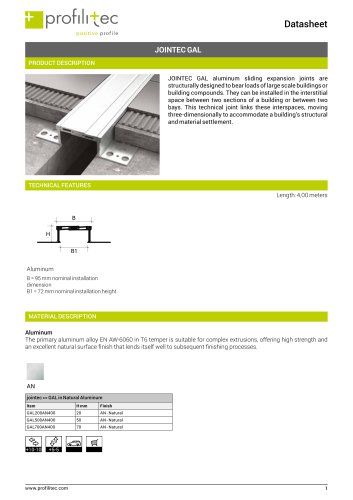 Jointec GAL
3 Pages
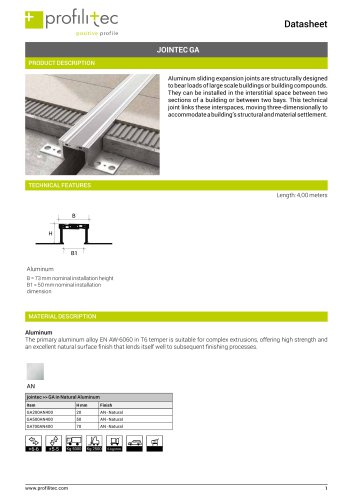 Jointec GA
3 Pages
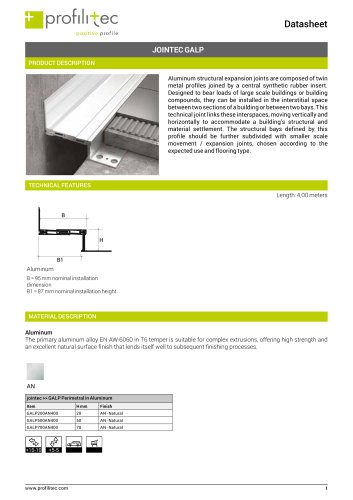 Jointec GALP
3 Pages
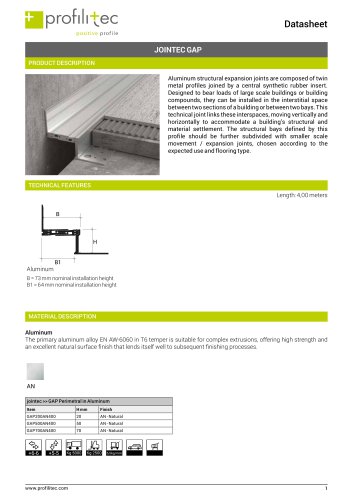 Jointec GAP
3 Pages
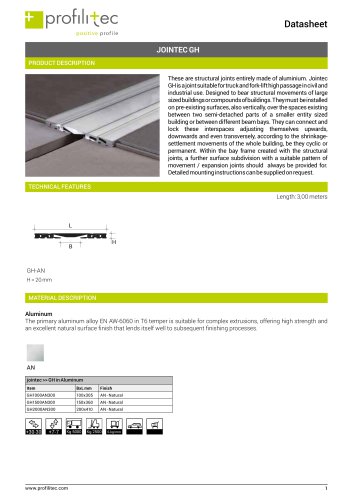 Jointec GH
3 Pages
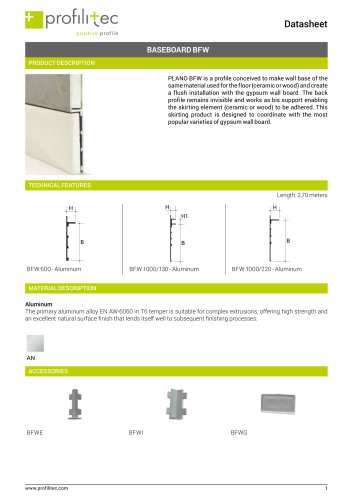 Plano BFW
3 Pages
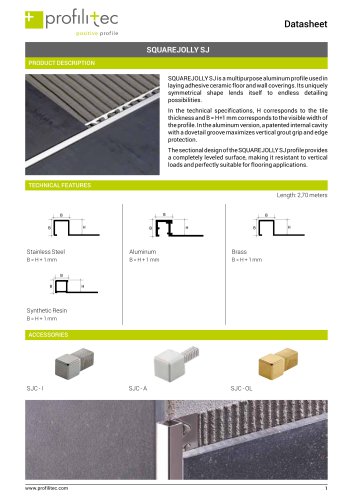 Squarejolly SJ
9 Pages
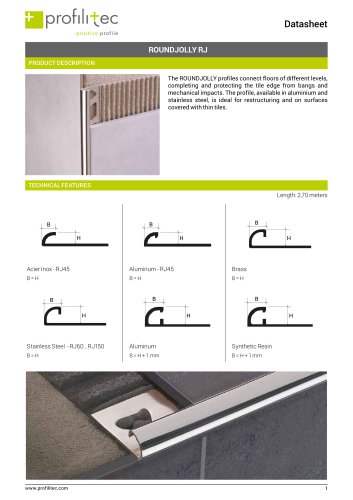 roundjolly RJ
14 Pages
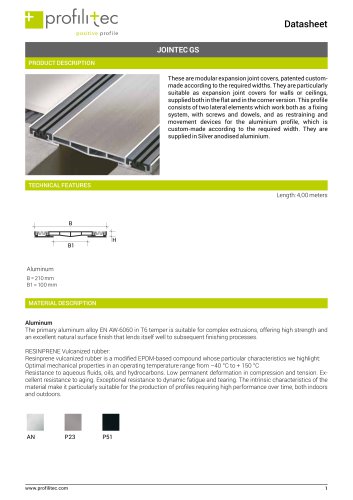 Jointec GS
3 Pages
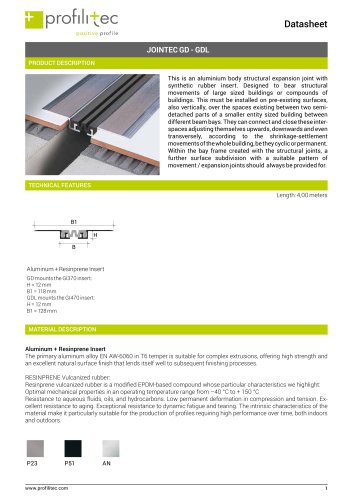 Jointec GD
3 Pages
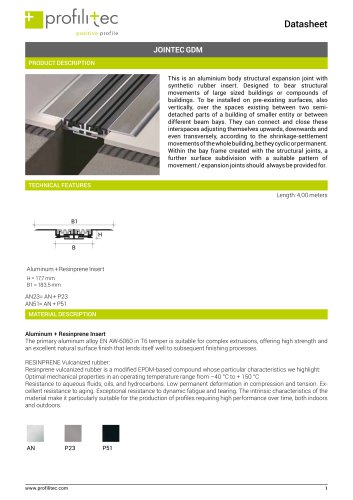 Jointec GDM
3 Pages
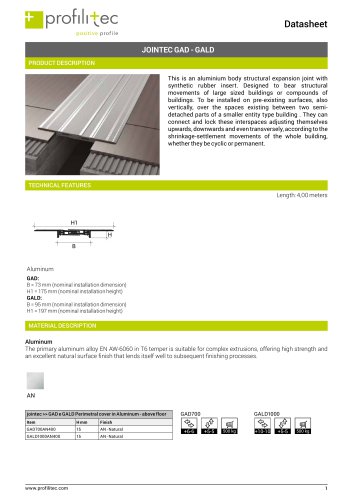 Jointec GAD
2 Pages
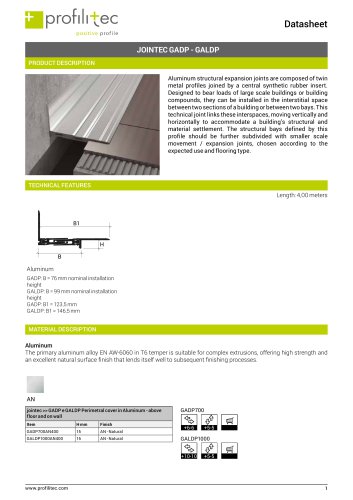 Jointec GADP
3 Pages
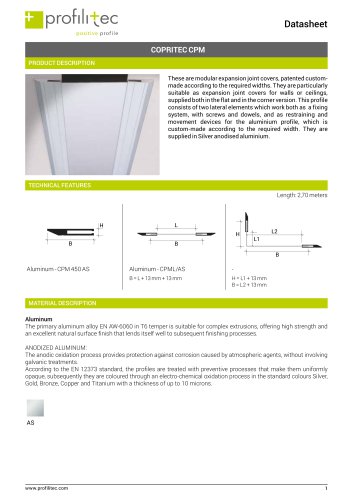 Copritec CPM
3 Pages
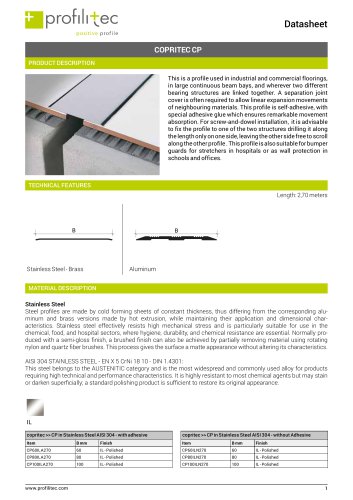 Copritec CP
4 Pages
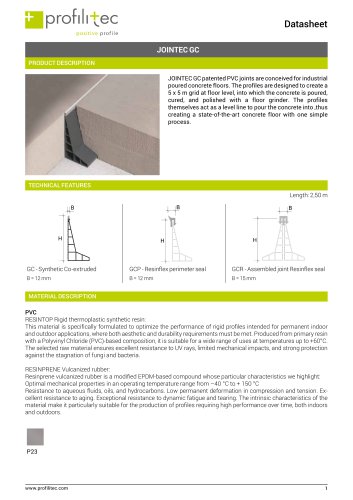 Jointec GC
3 Pages
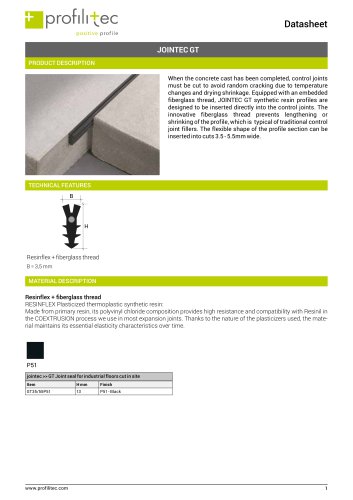 Jointec GT
2 Pages
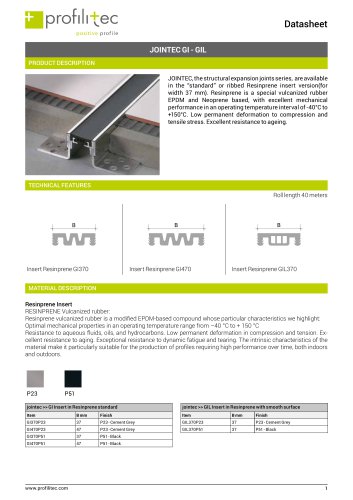 Jointec GI-GIL
2 Pages
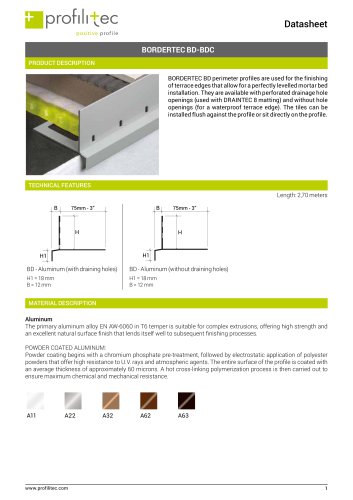 Bordertec BD-BDC
3 Pages
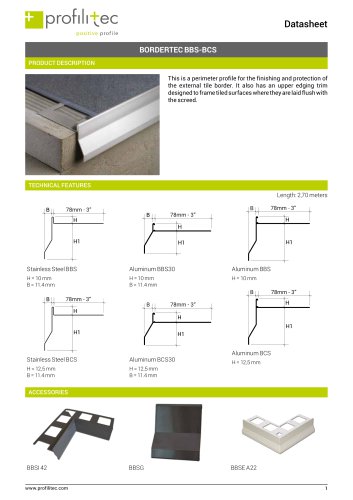 Bordertec BBS-BCS
8 Pages
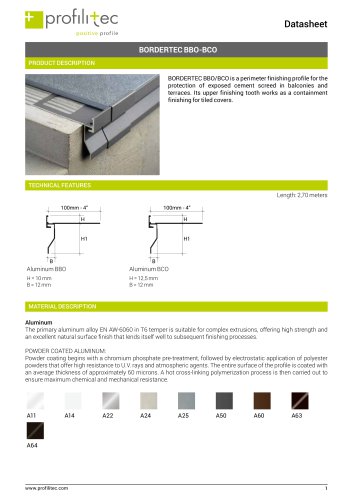 Bordertec BBO-BCO
4 Pages
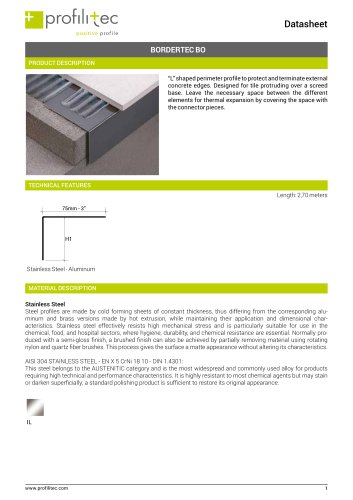 Bordertec BO
5 Pages
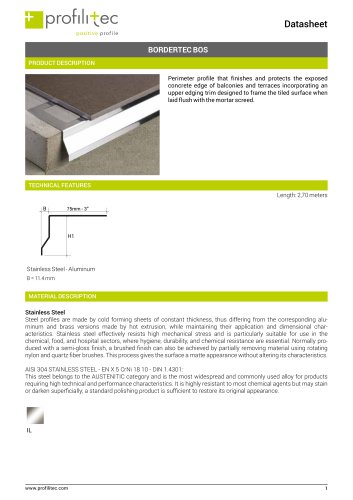 Bordertec BOS
5 Pages
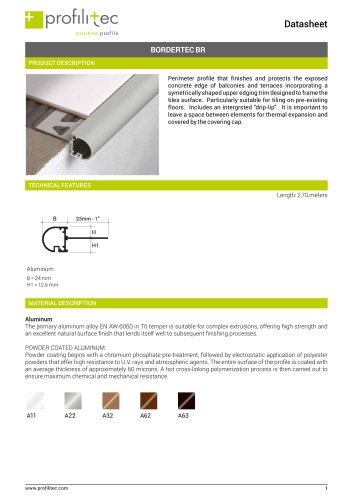 Bordertec BR
3 Pages
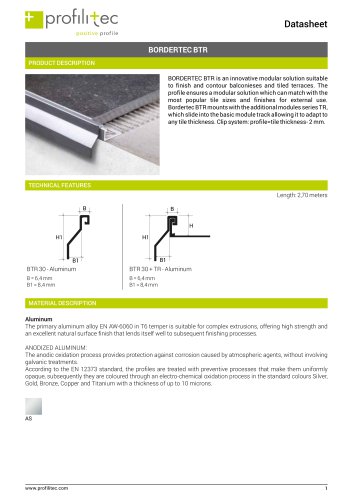 Bordertec BTR
3 Pages
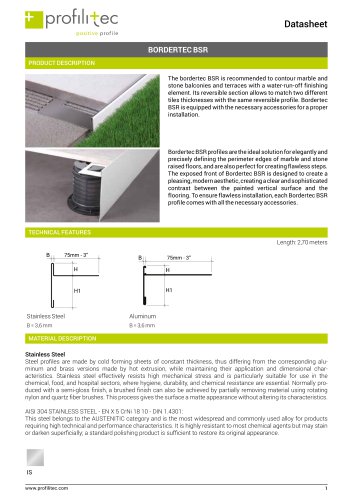 Bordertec BSR
6 Pages
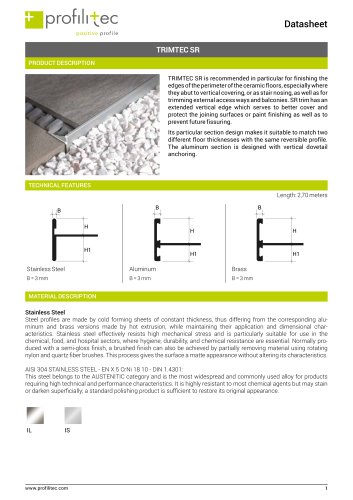 Trimtec SR
4 Pages
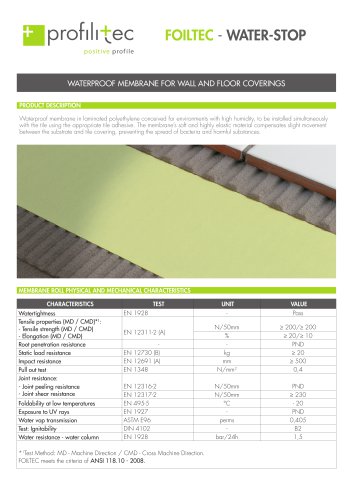 Foiltec
3 Pages
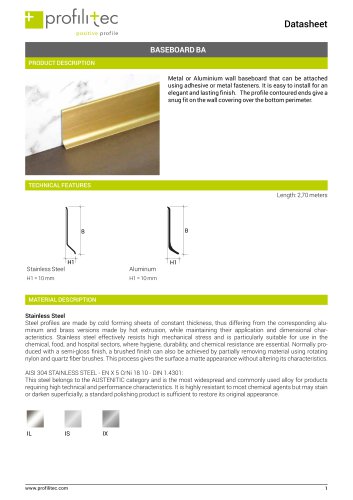 Battiscopa BA
5 Pages
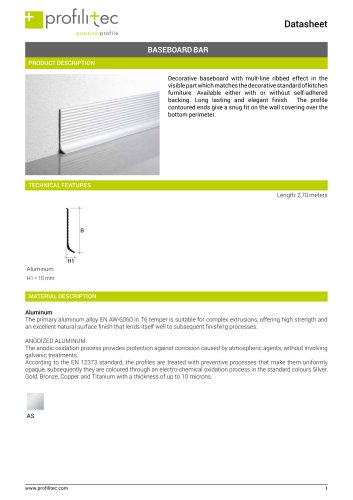 Battiscopa BAR
3 Pages
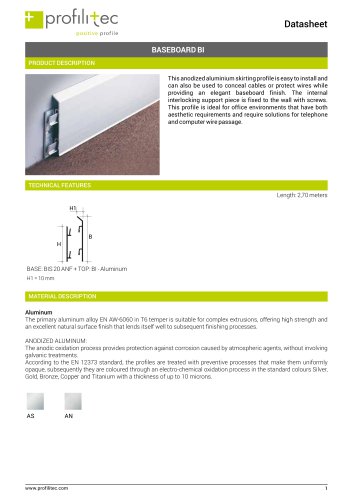 Battiscopa BI
3 Pages
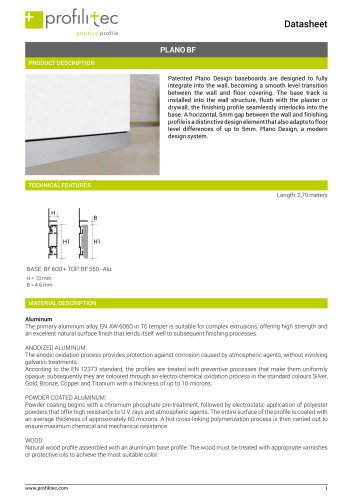 Plano BF
3 Pages
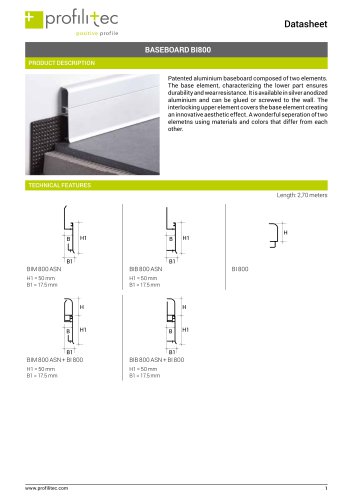 skirting BIM
3 Pages
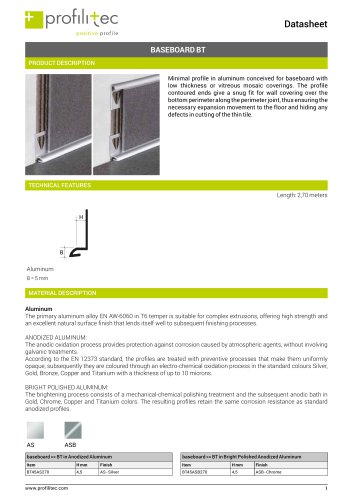 Battiscopa BT
2 Pages
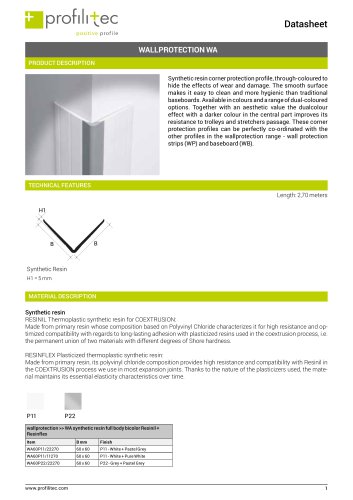 Wallprotection WA
2 Pages
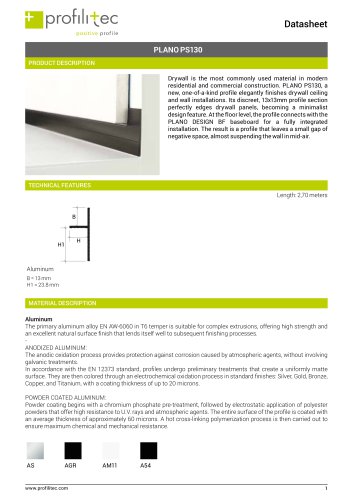 Plano PS 130
2 Pages
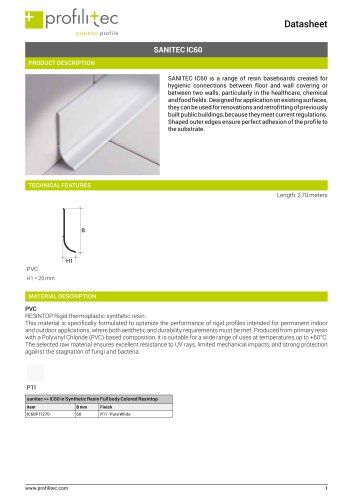 Sanitec IC 60
2 Pages
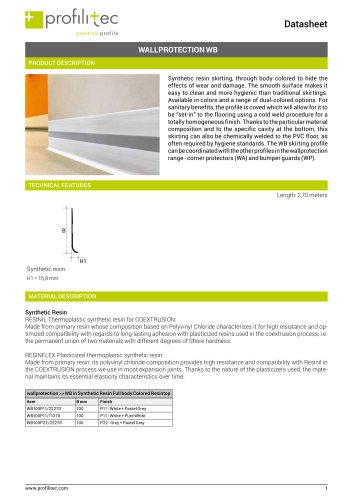 Wallprotection WB
2 Pages
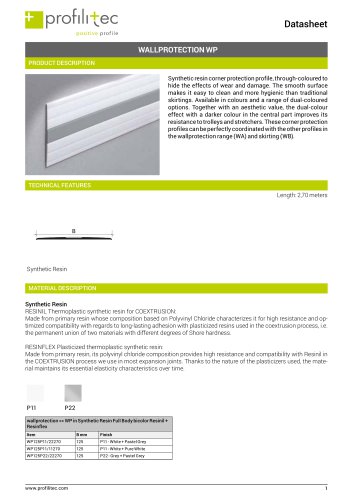 Wallprotection WP
2 Pages
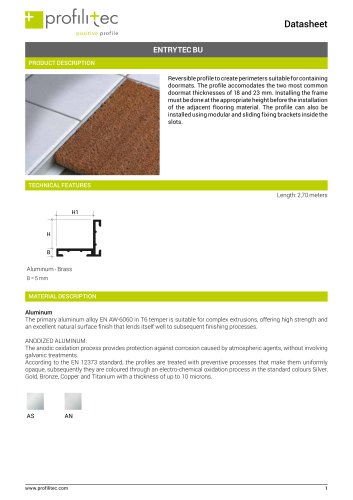 Entrytec BU
3 Pages
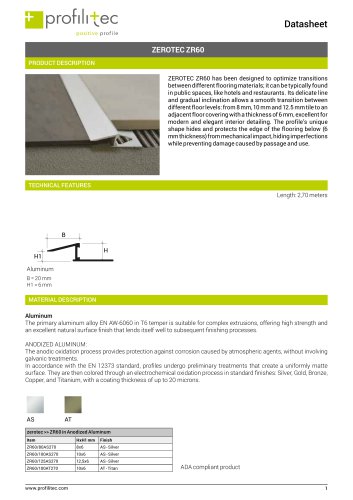 Zerotec ZR60
2 Pages
 Zerotec ZRN60
4 Pages
 Multiclip LVT CLG260
3 Pages
 Multiclip LVT CLF320
3 Pages
 Multiclip LVT CLP240
3 Pages
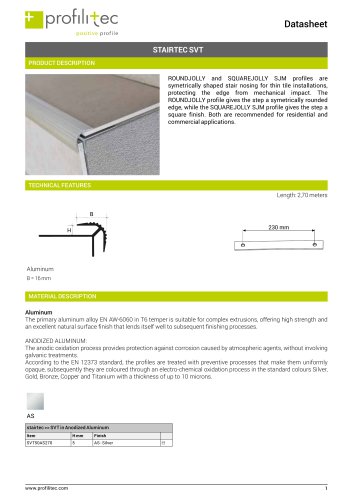 Stairtec SVT
3 Pages
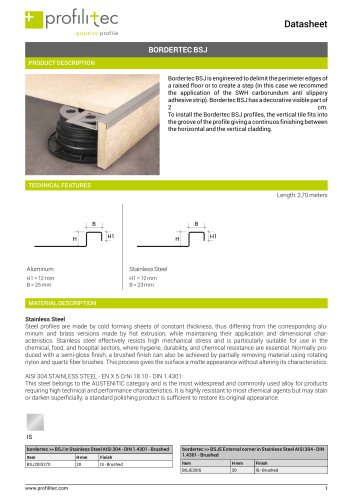 Bordertec BSJ
3 Pages
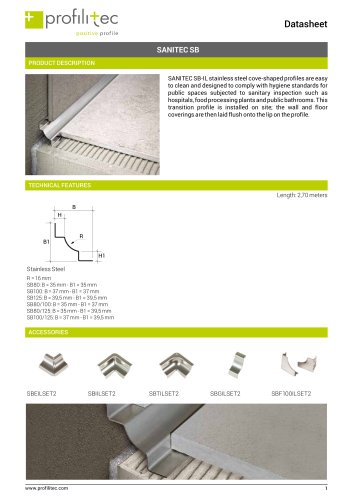 Sanitec SB
3 Pages
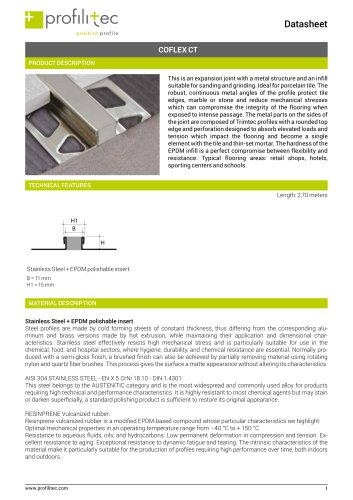 Coflex CT
3 Pages
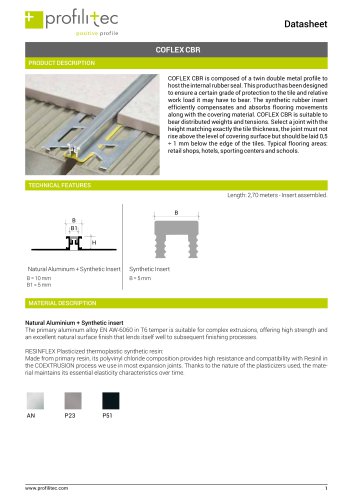 Coflex CBR
3 Pages
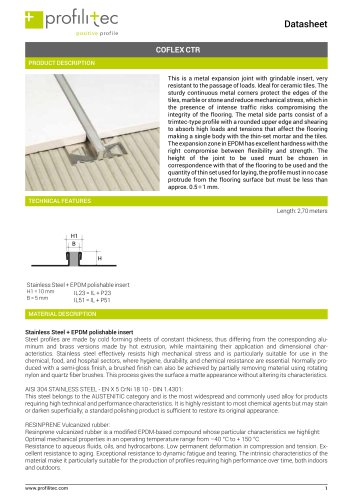 Coflex CTR
3 Pages
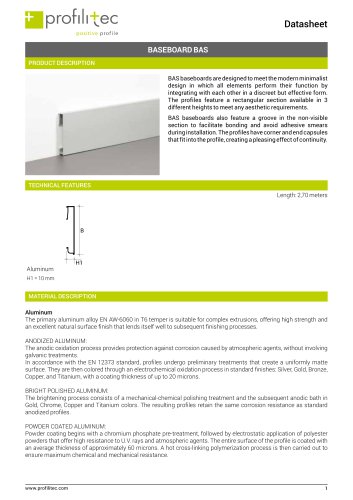 Battiscopa BAS
3 Pages
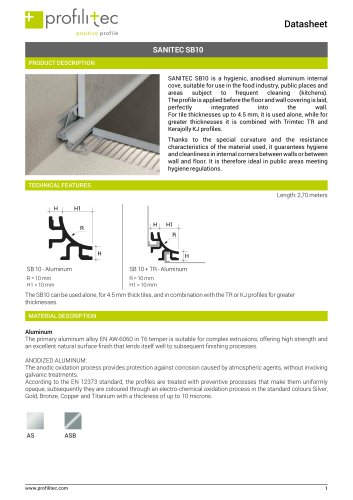 Sanitec SB10
3 Pages
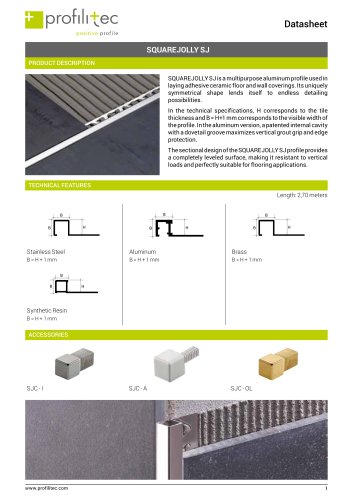 Squarejolly SJ
9 Pages
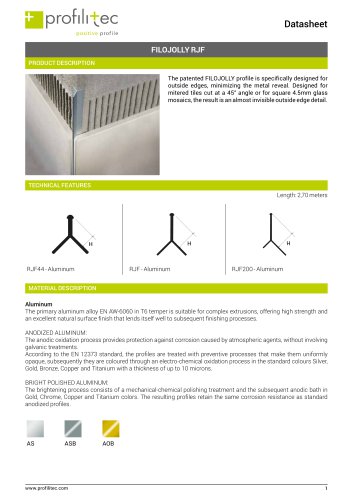 Filojolly RJF
3 Pages
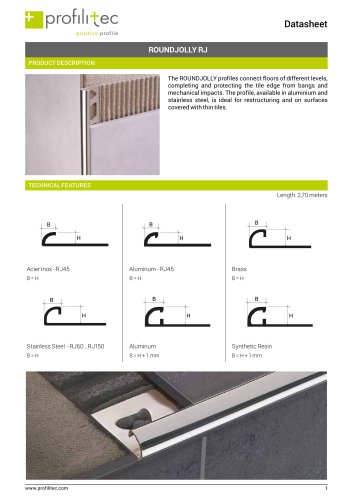 roundjolly RJ
14 Pages
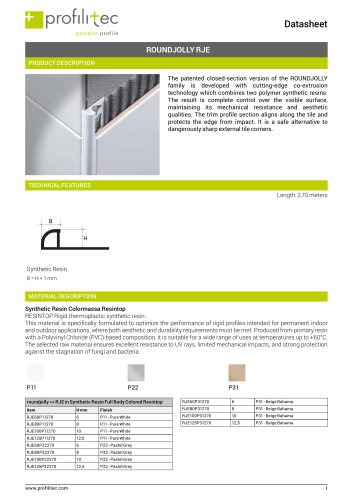 roundjolly RJE
2 Pages
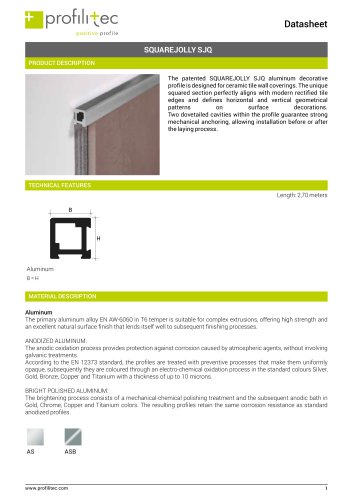 Squarejolly SJQ
3 Pages
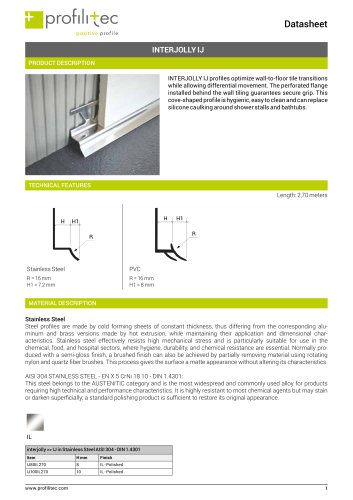 Interjolly IJ
3 Pages
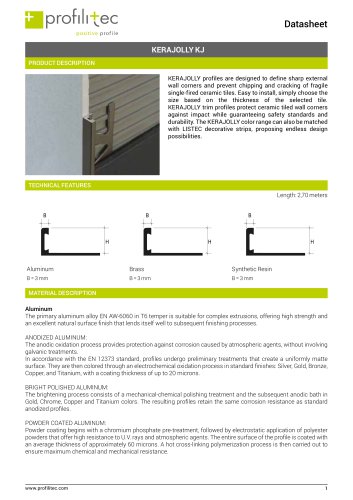 Kerajolly KJ
9 Pages
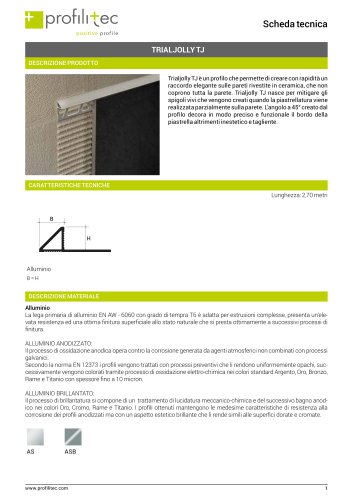 Trialjolly TJ
3 Pages
 Book Showertec STL
21 Pages
 Copridrain PD
1 Page
- Shower tray
- Waterproofing membrane
- PROFILITEC edge trim
- Angled shower base
- Roll waterproofing membrane
- Metal profile
- Plastic waterproofing membrane
- PROFILITEC expansion joint
- Protection waterproofing membrane
- PROFILITEC baseboard
- Building fastening system
- PROFILITEC tile edge trim
- PROFILITEC aluminum edge trim
- PROFILITEC metal expansion joint
- Aluminum profile
- PROFILITEC raised floor pedestal
- PROFILITEC aluminum expansion joint
- Shower base with side drain