

Sustainability Report

Sustainability Report
Polyflor's 2014 Sustainability Report provides a comprehensive overview of the company's environmental performance for 2013, focusing on transparency and avoiding 'greenwashing'. It highlights achievements and areas for improvement in sustainability, supported by life cycle analysis.
Polyflor aims to achieve carbon neutrality and social responsibility, emphasizing environmental, social, and economic sustainability. The company is recognized for its commitment to reducing emissions and waste.
Vinyl is a key material in Polyflor products, noted for its low environmental impact and recyclability. The company complies with REACh regulations, ensuring no harmful substances are used. Since 2000, Polyflor has reduced energy consumption by 46% and carbon emissions by 18,426 tonnes through various efficiency initiatives.
Efforts to improve transport efficiency include policies for drivers, fuel-efficient trailers, and increased bulk load volumes, contributing to reduced carbon emissions. New luxury vinyl sheets offer maintenance benefits and reduced installation wastage.
Polyflor products are designed for durability, low maintenance, and safety, with many ranges achieving A+ ratings for low VOC emissions. Polysafe flooring exceeds HSE guidelines for slip resistance and meets European standards.
Polyflor participates in recycling initiatives like Recofloor, recycling significant amounts of production and post-consumer waste. The company has reduced dry waste by 82% and liquid waste by 91% since 2000.
Polyflor's products are assessed through EPDs and BRE ratings, supporting sustainable building certifications like BREEAM and LEED. The products contribute to BREEAM credits in categories such as Waste, Health & Wellbeing, and Materials.
Polyflor is committed to supporting employees, supply chain integrity, community engagement, and economic sustainability. It holds certifications like BES 6001 and SA 8000 for responsible sourcing and social responsibility.
Polyflor focuses on environmentally sound materials, increasing the use of recycled content. The introduction of Polyurethane Reinforcement (PUR) in products reduces environmental impact and maintenance costs.
Polyflor has invested in new manufacturing and distribution facilities to support growth and enhance customer service, contributing to local economies.
Polyflor's commitment to sustainability is evident through its comprehensive environmental assessments and high BRE ratings. Their products significantly contribute to achieving sustainability certifications, making them a preferred choice for environmentally conscious projects.
Catalog excerpts
Environmentally Preferable Flooring
Open the catalog to page 1
Introduction Welcome to Polyflor’s 9th report The aim of this brochure is to clearly report Polyflor’s sustainability performance for 2013. We have sound environmental; quality; responsible sourcing and CSR (corporate social responsibility) credentials and policies in place, but it is important to continue to build on this and thus openly communicate it to all stakeholders. Transparency is central at a time where environmental issues become increasingly important and companies seek commercial advantage wherever they can. The term ‘greenwashing’ is one that we are all aware of and something that...
Open the catalog to page 2
Sustainability Progress Product Stewardship International Stewardship Recofloor About Vinyl Polyflor Materials Polyflor EPDs Energy Efficiency BRE Individually Assessed Ratings Waste Management Maximising BREEAM credits with Polyflor LEED Ecospecifier & Green Tag Transport & Logistics 7. Corporate Social Responsibility Commitment to our Employees Commitment to our Supply Chain & BES 6001 Commitment to our Community Economic Sustainability Low Maintenance Safety Performance Air Quality Polyflor Credentials Environmentally Preferable Flooring
Open the catalog to page 3
Sustainable Progress Polyflor’s vision is to be as carbon neutral as possible, as well as being socially and economically responsible. The vision of our business model is fully encompassed by the Three Pillars of Sustainability, which focus on Environment, People and Economic Sustainability. Polyflor has for many decades been recognised as a leading global manufacturer of high quality, high performance floorcoverings. In the 2012 Palmer Market Research Report for resilient flooring, Polyflor was also recognised as the leading sustainable company with architects in particular rating Polyflor for...
Open the catalog to page 4
PVC makes a major contribution to the quality, safety & cost-effectiveness of construction materials, as well as contributing to lower environmental impacts of completed projects It is the most widely used polymer in building & construction applications and over 60% of Western Europe’s annual PVC production is used in this sector PVC Europe • Up to 85% sustainable material used in Polyflor flooring • REACh compliance – No harmful substances such as formaldehyde • Polyflor does not use plasticisers that are classified on the REACh authorisation list
Open the catalog to page 5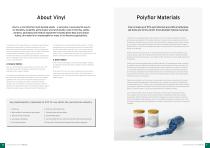
About Vinyl Polyflor Materials Vinyl is a cost effective multi faceted plastic - a necessity in everyday life due to its flexibility, durability, performance and functionality. Used in flooring, cables, windows, packaging and medical equipment including blood bags and surgical tubing, this material is irreplaceable for many of its lifesaving applications. Vinyl is made up of 57% salt (chlorine) and 43% oil (ethylene), salt being one of the world’s most abundant natural resources. It is important not to make decisions on a product’s environmental performance, based solely on emotional rationale,...
Open the catalog to page 6
Sustainable Production includes the following elements: 1. Efficient use of natural resources, including materials, water & energy 2. Minimization of wastes & emissions, including those discharged to water, air or on land 3. Reduction of risks to humans & environment from use of chemicals and disposal of chemicals used in industry United Nations Industrial Development Organisation • Polyflor vinyl has a low carbon footprint, using less energy in the production phase than many other resilient flooring materials • 100% recyclable & can be recycled many times over, without loss of performance •...
Open the catalog to page 7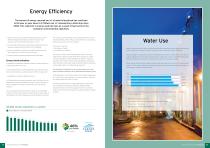
Energy Efficiency The amount of energy required per m2 of material produced has continued to fall year on year down to 2.70KwHr per m2 representing a 46% drop since 2000. This reduction in energy used has been as a result of hard work on the company’s environmental objectives. into context it gives equivalent carbon dioxide emissions as 1 kg of frosted cornflakes, both at 1.9kg CO2. Recycled PVC is just 0.3kg CO2. Here are some other every day examples: • Vinyl uses less energy to produce than other plastics, at least 15% less energy than linoleum and 50% less energy than ceramics, due to their...
Open the catalog to page 8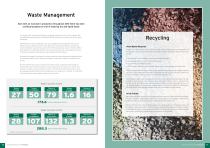
Waste Management Even with an increase in production throughout 2013 there has been continual progress on site in reducing dry and liquid waste. As a business with electrical and electronic equipment to dispose of, we are fully compliant with the Waste Electrical and Electronic Equipment (WEEE) Directive and therefore recycle such waste accordingly. Improvements on waste management (such as the updated waste management system at the Oldham sales and distribution centre, which reduced the amount and frequency of waste) and recycling initiatives meant that dry waste fell from 7.5% of production...
Open the catalog to page 9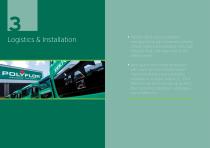
• Polyflor fleet reduced carbon emissions through increased volume of bulk loads & backhauling; new, fuel efficient fleet and improved driver effectiveness • New luxury vinyl sheet developed with lower environmental impact; improved maintenance benefits; available in multiple widths (2, 3 & 4 metres); can be loose laid up to 24m2, thus reducing installation wastage & use of adhesive
Open the catalog to page 10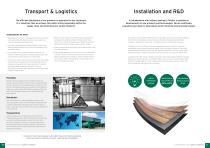
Transport & Logistics The efficient distribution of our products is imperative to our customers. It is important that we achieve this whilst acting responsibly within the supply chain and minimising our carbon footprint. In collaboration with industry partners, Polyflor is working on developments in new products and technologies. We are continually evaluating new ideas or alternatives which minimise environmental impact. Achievements for 2013 • Appointed a Driver Trainer - extending this to two Driver Trainers - both will be trained by ‘MAN Profi Drive’ to permeate ‘Best Practice’ throughout...
Open the catalog to page 11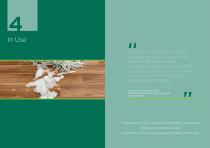
We wanted to select a vinyl flooring with really good lifecycle, good floor products that would be easily maintained & durable. Polyflor had the best products to last the next 20 years – a very good lifecycle to minimise cleaning & good durability Raz Favotto, Thiess Construction (New $721 million Royal North Shore Hospital, Sydney, Australia) • Perfect for indoor use areas – no compromise on the function or the environment • Market leading low maintenance benefits • Extremely low VOC emissions, with no negative contribution to indoor air quality
Open the catalog to page 12All Polyflor catalogs and technical brochures
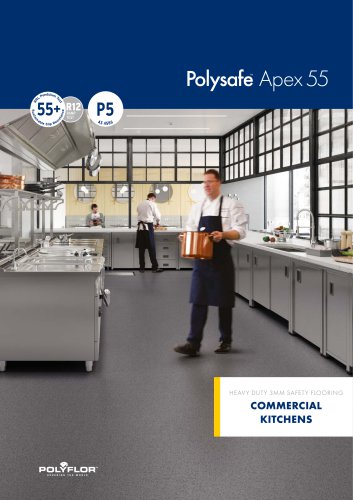 POLYSAFE™ APEX 55
11 Pages
 Expona Simplay Brochure
62 Pages
 Designatex Brochure
29 Pages
 Forest fx PUR
32 Pages
 Silentflor
21 Pages
 Bloc PUR
21 Pages
 Cambridge Parquet
53 Pages
 Polyflex Plus
4 Pages
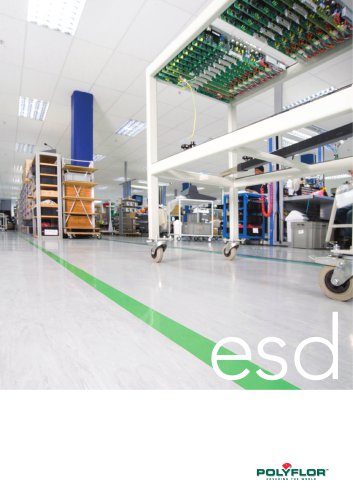 esd
esd8 Pages
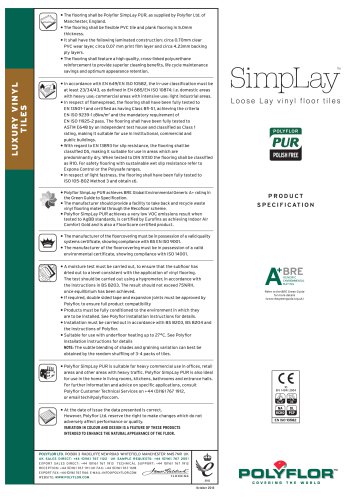 LUXUR YVINYL TILES
1 Page
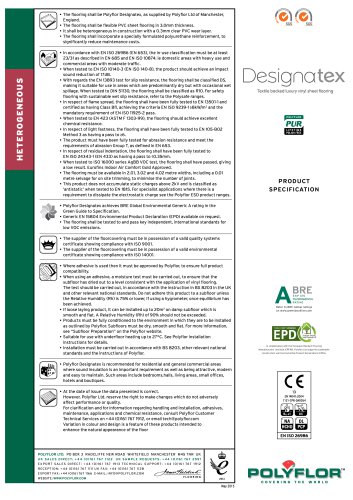 HETEROGENEOUS
1 Page
 LUXURY VINYL TILES
1 Page
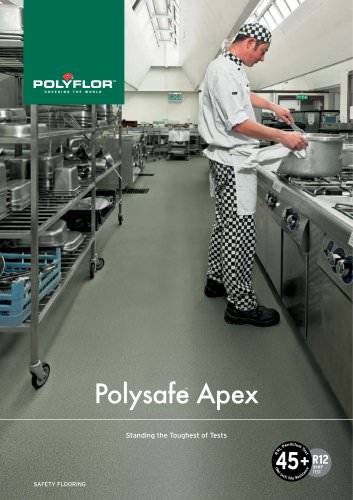 Polysafe Apex
5 Pages
 Polysafe Mosaic PUR
12 Pages
 Polysafe Verona PUR
11 Pages
 Camaro Loc PU Brochure
25 Pages
 Forest fx Presenter
9 Pages
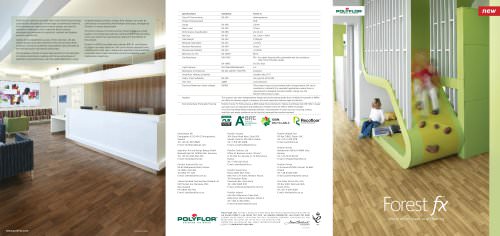 Forest fx 6pp Leaflet
2 Pages
 SimpLay leaflet
2 Pages
 UK Flooring collection
70 Pages
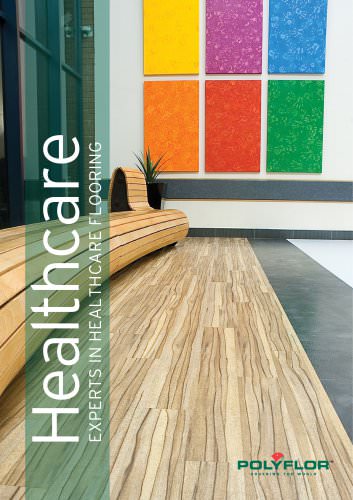 Healthcare
20 Pages
 Education
10 Pages
 Retail
15 Pages
 Design Service
24 Pages
 Acoustix fx
23 Pages
 BEVEL LINE
13 Pages
 Polysafe PUR
38 Pages
 Expona Control PUR brochure
21 Pages
 Expona Commercial Wood PUR
61 Pages
 Polysafe Arena PUR
17 Pages
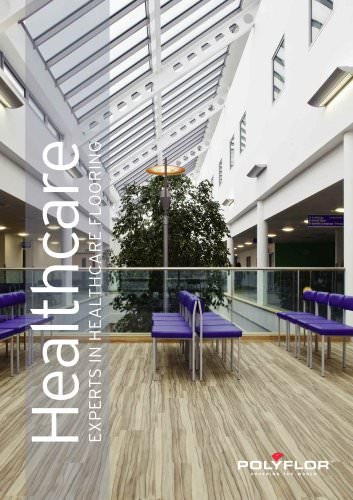 Healthcare flooring
20 Pages
 Safety:Polysafe Hydro evolve
20 Pages
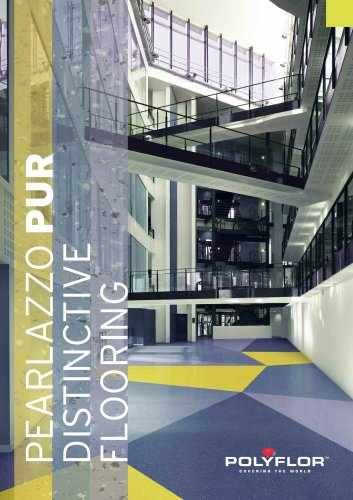 Education flooring
20 Pages
 Homogeneous:Pearlazzo PUR
20 Pages
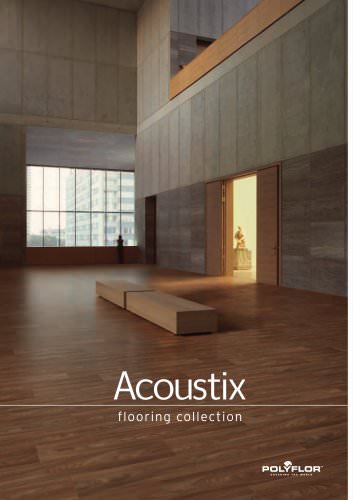 Heterogeneous:Acoustix fx
23 Pages
 Heterogeneous:Forest fx
25 Pages
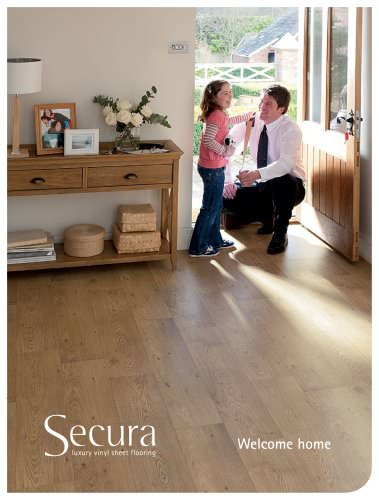 Heterogeneous:Secura
43 Pages
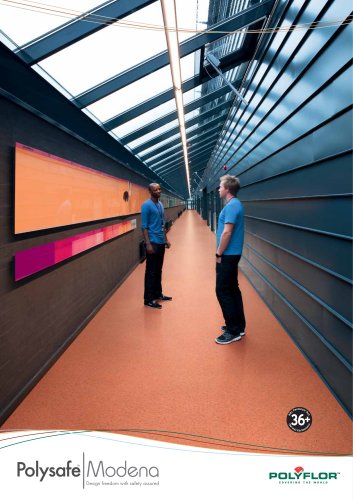 Safety:Polysafe Modena PUR
11 Pages
 KUDOS PU
20 Pages
 EXPONA®
40 Pages
 CAMARO™
104 Pages
 POLYSAFE
40 Pages
 HOMOGENEOUS PUR FLOORING
28 Pages
 COLONIA™
63 Pages

- Indoor flooring
- Tertiary flooring
- Industrial wallcovering
- Vinyl floor covering
- Commercial wall-covering
- Tile flooring
- Non-slip flooring
- Domestic use flooring
- Gray flooring
- Smooth flooring
- Brown flooring
- Beige flooring
- Fire-retardant wall-covering
- Textured flooring
- Acoustic floor covering
- Wood look floor covering
- Roll flooring
- Strip flooring