
- Catalogs
- Orange Box
- book of products


book of products

book of products
- Product Specifications: Detailed dimensions and features of various Orangebox products, including task chairs like Do and Seren, and modular furniture systems. The focus is on simplicity, intuitive use, and adaptability to diverse work environments.
- Design Philosophy: Emphasizes minimalism and efficiency in design, aiming to reduce material use and enhance product functionality. The concept of 'doing more with less' is central, with a focus on sustainability and the circular economy.
- Task Seating: Highlights the need for simple, user-friendly seating solutions in shared workspaces. The document discusses the benefits of weight balancing mechanisms and intuitive controls in chairs like Do and Seren, which cater to multiple users without complex adjustments.
- Workplace Evolution: Explores the transition from hierarchical office structures to more dynamic, networked environments. The document discusses the impact of technology and changing generational expectations on workplace design.
- Research and Insights: Provides insights into workplace trends, including the importance of communication in team success and the need for spaces that balance privacy with collaboration. It references studies on workplace dynamics and the shift towards mobile and flexible work styles.
- Case Studies and Applications: Includes examples of Smartworking™ implementations and their impact on productivity and employee satisfaction. The document also discusses the role of design in fostering a collaborative and engaging work environment.
- Linear Configurations: AftD Linear allows for straight and corner unit combinations, offering a wide range of layout options. These configurations can be used individually or combined to create compact, linear groups, enhancing both function and privacy.
- Component Product Codes: Each AftD unit and component has a unique code, facilitating easy configuration and access through the Orangebox Price List. The components include base units, arms, sofa backs, and tables, which can be combined for varied configurations.
- Group Configurations: AftD Linear groups demonstrate the potential for creating collaborative work areas by combining low and high back units. These configurations support both open and semi-enclosed spaces, promoting privacy and collaboration.
- 120° and Circular Configurations: These configurations focus on curves and 120° angles, offering three-dimensional setups. They provide more varied functional and layout choices compared to linear options, suitable for both individual and group settings.
- AftD Islands: This section highlights the potential to mix low and high backs within a single unit, creating collaborative group spaces. AftD Islands offer a contrast to linear planning, allowing for fully or partially enclosed islands for enhanced collaboration.
- Spur Configurations: Spur units are larger base units designed to be positioned at the end of AftD combinations, creating open and welcoming settings. They are suitable for open plan spaces and larger areas like foyers and atriums.
- Specifications: AftD units are modular and can be configured using individual component codes. These components include base units, arms, sofa backs, and tables, which can be combined to create various configurations for different workspace needs.
- Procedures: The document outlines how AftD units can be planned into expansive configurations, offering a range of sizes, functions, and privacy levels. It also highlights the importance of integrating technology and accommodating different work styles.
- Norms and Recommendations: The document suggests that effective workspaces should balance openness with privacy, allowing for both individual concentration and collaborative activities. It also notes the importance of adapting to generational differences in work preferences.
- Design Philosophy: Network Landscapes focus on creating casual, diverse spaces that move away from hierarchical structures. The design values emphasize comfort, collaboration, and a handmade aesthetic, catering to the evolving needs of a modern workforce.
- The AftD system is designed to be flexible, accommodating various work styles and preferences, such as communication, collaboration, concentration, and contemplation.
- Network Landscapes aim to create spaces that are less formal and more conducive to relaxation and social interaction, reflecting the changing values of younger generations in the workplace.
- The document highlights the importance of integrating technology seamlessly into workspaces to support diverse work activities.
- Border: A modular system designed for space division, available in work and café heights, emphasizing collaboration.
- Boundary: A double-sided modular upholstery system for effective space division, offering flexible seating and combining with other Orangebox products.
- Campus: A soft seating collection suitable for dynamic layouts in busy workplaces, public, and educational spaces.
- Cusp: An updated classic tub design that fits both conservative and contemporary settings.
- Cwtch: A versatile sofa system available in low, midi, and high back configurations, offering privacy and diverse seating options.
- Dee: A sofa/armchair design with a supportive sit, suitable for various work and lounge areas.
- Hay: Offers upright posture with comfortable arm support, ideal for waiting and lounge areas.
- Ogmore: A classic design best suited for conservative settings, often specified in leather.
- Pace: Available in work and lounge heights, offering single or two-tone fabric options.
- Perimeter: A modular range for both open and private workspaces, with options for low and high back configurations.
- Ramsey and Skomer: New additions offering comfort and adaptability for various work scenarios.
- Sully: Designed for impromptu meetings and breakout spaces, offering quality and comfort.
- Reef Media Unit: A practical media unit for up to 6 users, with power and data access, suitable for meetings and presentations.
- Stools (Spring, Peak, Tide): Designed for casual seating, encouraging a variety of seating positions throughout the workday.
- Tarn and Dean: Established tub chairs offering support and comfort, with options for glides or castors.
- Product Families: The document introduces several product families, including Point/Gate, TrackWork/Track Lounge, and Vale. Each family offers unique configurations and functionalities, catering to different workspace needs.
- Design and Functionality: Products like the Vale sofa and Lano tables are highlighted for their modularity and adaptability. The Vale sofa can be configured as a large armchair or a sofa, while Lano tables offer extensive customization options in terms of size, shape, and finish.
- Technology Integration: Many products, such as the Lano tables, are equipped with power and data modules, supporting modern technological needs in workspaces.
- Customization Options: The document emphasizes the extensive customization available across the product range, including various leg designs, top shapes, edge profiles, and finishes.
- Workplace Trends: Insights into workplace trends are provided, such as the increasing need for flexible workspaces and the integration of technology in office environments.
- Product Specifications: The catalog provides detailed specifications for various furniture items, including dimensions and materials. Products like the X10, Joy, and Cors are highlighted for their ergonomic design and user comfort.
- Design Philosophy: Orangebox emphasizes simplicity, functionality, and user interface in their designs. The products are designed to be adaptable to different work environments and user needs.
- Ergonomic Research: Continuous ergonomic research is a cornerstone of Orangebox's product development, ensuring comfort and performance across different body shapes and sizes.
- Product Range: The catalog includes a wide range of seating options, tables, and modular units. Each product is designed to enhance collaborative workspaces, with options for customization through fabric choices.
- Market Trends: The document notes trends such as the increasing number of freelancers and the expectation for employees to work during vacations, indicating a shift towards more flexible work environments.
- Data and Statistics: The catalog includes statistics on workforce composition and work habits, such as the percentage of freelancers and the frequency of business trips among different generations.
Catalog excerpts

www.orangebox.com Head office & Manufacturing Orangebox Limited, Parc Nantgarw, Cardiff CF15 7QU, United Kingdom. Orangebox Middle East Building 5WB, Office 448 PO Box 371447, Dubai Airport Free Zone, Dubai, United Arab Emirates. T: +971 4260 2460 Orangebox US Inc. 99 Monroe Avenue Northwest Suite 200, Grand Rapids, MI 49503, United States. email. [email protected] Smartworking Avi Bligh & Fletcher Bloom Border Boundary Campus Cusp Cwtch low / Cwtch midi / Cwtch high Cwtch media Dee Hay Ogmore Pace Perimeter low / Perimeter high Perimeter banquette Ramsey Skomer Sully Reef media unit Spring / Peak / Tide Tarn Dean Point Gate Track Work / Track Lounge Vale Lano Pars Obvio Credenzas Surf Bluff Lock / Lock Bar Elan Breaker Arber Cwtch Dune Calder Workday X10 Go Seren Joy / Joy Mesh Cors Hench library tables Yawl library tables Hench library tables Yawl library tables Network Landscapes Aden Boom Dench Flex Hella Moss On Your Jays Orly Peeps Tope Yolo Imo Joe Hep Skeen Neato Hench Java Hep Large Trill ATM Nang Rock Yawl Network Landscapes Aden Boom Dench Flex Hella Moss On Your Jays Orly Peeps Tope Yolo Imo Joe Hep Skeen Neato Hench Java Hep Large Trill Nang ATM Yawl Linear groups Hench library tables Yawl library tables Network Landscapes Aden Boom Dench Flex Hella Moss On Your Jays Orly Peeps Tope Yolo Imo Joe Hep Skeen Neato Hench Java Hep Large Trill ATM Nang Rock Yawl Network Landscapes Aden Boom Dench Flex Hella Moss On Your Jays Orly Peeps Tope Yolo Imo Joe Hep Skeen Neato Hench Java Hep Large Trill ATM Nang Rock Yawl Linear groups Orangebox Huddersfield Bates Mill, Colne Road, Huddersfield HD1 3AG T. +44(0)1484 536 400 F. +44(0)1484 536 410 Away from the Desk Orangebox SmartworkingTM 38 Northampton Road, London EC1R 0HU, United Kingdom T. +44(0)20 7837 9922 F. +44(0)20 7837 4441 email. [email protected] Smartworking Avi Bligh & Fletcher Bloom Border Boundary Campus Cusp Cwtch low / Cwtch midi / Cwtch high Cwtch media Dee Hay Ogmore Pace Perimeter low / Perimeter high Perimeter banquette Ramsey Skomer Sully Reef media unit Spring / Peak / Tide Tarn Dean Point Gate Track Work / Track Lounge Vale Lano Pars Obvio Credenzas Surf Bluff Lock / Lock Bar Elan Breaker Arber Cwtch Dune Calder Workday X10 Go Seren Joy / Joy Mesh Cors Hench library tables Yawl library tables Network Landscapes Aden Boom Dench Flex Hella Moss On Your Jays Orly Peeps Tope Yolo Imo Joe Hep Skeen Neato Hench Java Hep Large Trill ATM Nang Rock Yawl Linear groups Away from the Desk Air 3 Mini Pod Airea Cove Bay Linear groups Away from the Desk Air 3 Mini Pod Airea Cove Bay Hench library tables Yawl library tables Network Landscapes Aden Boom Dench Flex Hella Moss On Your Jays Orly Peeps Tope Yolo Imo Joe Hep Skeen Neato Hench Java Hep Large Trill ATM Nang Rock Yawl Linear groups Away from the Desk Air 3 Mini Pod Airea Cove Bay Smartworking Avi Bligh & Fletcher Bloom Border Boundary Campus Cusp Cwtch low / Cwtch midi / Cwtch high Cwtch media Dee Hay Ogmore Pace Perimeter low / Perimeter high Perimeter banquette Ramsey Skomer Sully Reef media unit Spring / Peak / Tide Tarn Dean Point Gate Track Work / Track Lounge Vale Lano Pars Obvio Credenzas Surf Bluff Lock / Lock Bar Elan Breaker Arber Cwtch Dune Calder Workday X10 Go Seren Joy / Joy Mesh Cors Linear groups Away from the Desk Air 3 Mini Pod Airea Cove Bay Smartworking Avi Bligh & Fletcher Bloom Border Boundary Campus Cusp Cwtch low / Cwtch midi / Cwtch high Cwtch media Dee Hay Ogmore Pace Perimeter low / Perimeter high Perimeter banquette Ramsey Skomer Sully Reef media unit Spring / Peak / Tide Tarn Dean Point Gate Track Work / Track Lounge Vale Lano Pars Obvio Credenzas Surf Bluff Lock / Lock Bar Elan Breaker Arber Cwtch Dune Calder Workday X10 Go Seren Joy / Joy Mesh Cors A diverse landscape of solutions for today’s agile, collaborative workplace. Smartworking Avi Bligh & Fletcher Bloom Border Boundary Campus Cusp Cwtch low / Cwtch midi / Cwtch high Cwtch media Dee Hay Ogmore Pace Perimeter low / Perimeter high Perimeter banquette Ramsey Skomer Sully Reef media unit Spring / Peak / Tide Tarn Dean Point Gate Track Work / Track Lounge Vale Lano Pars Obvio Credenzas Surf Bluff Lock / Lock Bar Elan Breaker Arber Cwtch Dune Calder Workday X10 Go Away from the Desk Seren A diverse landscape of solutions for today’s agile, collaborative workplace. /////////////////////// Why Build Walls? ///////////////////////Away from the Desk Network Landscapes /////////////////////// Smartworking
Open the catalog to page 1
delivers a new vitality to the collaborative workplace. At Orangebox, we believe that the most effective spaces remove barriers, provide privacy and bring people together. Hench library tables Yawl library tables Tope Yolo Imo Joe Hep Skeen Neato Hench Java Hep Large Trill ATM Nang Rock Yawl Smartworking Avi Bligh & Fletcher Bloom Border Boundary Campus Cusp Cwtch low / Cwtch midi / Cwtch high Cwtch media Dee Hay Ogmore Pace Perimeter low / Perimeter high Perimeter banquette Ramsey Skomer Sully Reef media unit Spring / Peak / Tide Tarn Dean Point Gate Track Work / Track Lounge Vale Lano Pars...
Open the catalog to page 2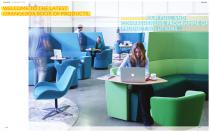
Smartworking^-The Orangebox Book of Products Introduction WELCOME TO THE LATEST ORANGEBOX BOOK OF PRODUCTS, Smartworking^-The Orangebox Book of Products Introduction PRODUCT SOLUTIONS...
Open the catalog to page 3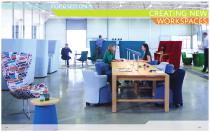
Smartworking – The Orangebox Book of Products
Open the catalog to page 4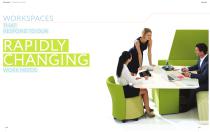
Smartworking – The Orangebox Book of Products WORKSPACES, THAT RESPOND TO OUR RAPIDLY CHANGING WORK NEEDS.
Open the catalog to page 5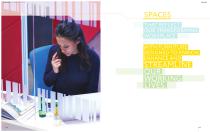
Smartworking – The Orangebox Book of Products SPACES THAT REFLECT OUR TRANSFORMING WORKPLACE WITH FURNITURE DESIGNED TO ENRICH, ENHANCE AND STREAMLINE OUR WORKING LIVES.
Open the catalog to page 6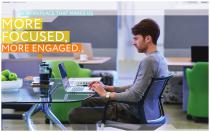
Smartworking – The Orangebox Book of Products A WORKPLACE THAT MAKES US MORE FOCUSED, MORE ENGAGED.
Open the catalog to page 7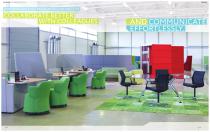
Smartworking – The Orangebox Book of Products A WORKPLACE THAT RECOGNISES OUR NEED TO COLLABORATE BETTER WITH COLLEAGUES
Open the catalog to page 8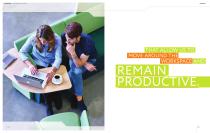
Smartworking^-The Orangebox Book of Products Introduction Smartworking^-The Orangebox Book of Products Introduction THAT ALLOW US TO MOVE AROUND THE WORKSPACE! AND
Open the catalog to page 9All Orange Box catalogs and technical brochures
 DO
DO15 Pages
 G64 Brochure
12 Pages
 Eva Brochure
19 Pages
 Ara Brochure
30 Pages
 Active Ergonomics Brochure
15 Pages
 bay
bay2 Pages