

Nespresso and Biodiversity

Nespresso and Biodiversity
Nespresso, in collaboration with the International Union for Conservation of Nature (IUCN), has developed a framework to enhance biodiversity performance in its coffee production processes. This initiative aligns with IUCN guidelines for planning and monitoring corporate biodiversity performance.
The document outlines the pressures on biodiversity due to coffee production and identifies priorities for Nespresso, including tropical forests, wetlands, and threatened species. It emphasizes the need for a unified approach to integrate farm-level activities with broader landscape interventions.
The framework sets ambitious goals and objectives, focusing on regenerative and organic agriculture and natural landscape conservation. It includes specific actions and strategies, such as agrochemical control, wastewater management, and habitat restoration.
The framework uses the Pressure-State-Response-Benefit (PSRB) model to monitor biodiversity performance. Indicators are categorized into pressures causing biodiversity loss, the state of biodiversity, responses to prevent loss, and benefits derived from biodiversity.
Nespresso plans to build capacity among its staff and farmers, develop partnerships for monitoring, and conduct regular impact evaluations. The company aims to communicate its biodiversity efforts effectively and explore further integration of biodiversity considerations into its strategic plans.
Nespresso is committed to testing and adapting the biodiversity performance framework, with a focus on building partnerships and enhancing monitoring capabilities. The company also plans to address additional activities, such as sourcing materials for packaging, in future phases.
The document outlines various conservation initiatives aimed at mobilizing actors at larger scales. These include creating protected areas, removing invasive species, mitigating human-wildlife conflicts, and providing technical assistance to coffee farmers and protected area managers.
By 2030, the goal is to restore at least 10% of each coffee landscape, including natural forests, woodlands, wetlands, and rivers. Strategies include tree planting for habitat restoration and agroforestry, targeted species recovery actions, and technical assistance for farmers.
The document provides definitions for key terms such as biodiversity, ecosystem services, endemic species, and high conservation value areas. It also explains concepts like regenerative agriculture, organic agriculture, and the pressure-state-response-benefit indicator framework.
The document emphasizes the importance of stakeholder engagement, defining stakeholders as entities or individuals significantly affected by or affecting the organization's activities. It highlights the need for their participation in achieving biodiversity goals.
The document acknowledges contributions from various individuals and organizations, including Nespresso team members, partners, and experts from different countries, who provided insights and support for the conservation efforts.
A coffee plantation in agroforestry in Coorg, India, highlights the integration of biodiversity in agricultural practices.
Nespresso has implemented several initiatives to integrate sustainability into its operations, including the AAA Sustainable Quality™ Program, tree-planting, habitat restoration, and biodiversity assessments. These efforts are part of a broader collaboration with IUCN to enhance biodiversity performance and set ambitious goals.
Since 2010, Nespresso and IUCN have collaborated on sustainability initiatives, including responsible aluminium production and landscape-level coalitions in Brazil. The collaboration has led to the development of tools like the Integrated Biodiversity Assessment Tool (IBAT) and the Natural Capital Protocol, which help evaluate biodiversity risks and opportunities.
Nespresso's current biodiversity ambitions provide a foundation for further expansion. Recommendations include identifying biodiversity priorities, developing measurable goals, and reallocating resources to support biodiversity efforts. Key environmental concerns of farmers, such as water protection and soil erosion, should also be considered.
The IUCN Guidelines for Planning and Monitoring Corporate Biodiversity Performance propose a four-stage process: identifying priorities, setting ambitions, developing indicators, and implementing actions. This approach helps businesses set tangible biodiversity goals and measure their impact.
Coffee farming impacts biodiversity through deforestation and pollution. Sustainable practices are needed to mitigate these effects and enhance biodiversity conservation. The loss of biodiversity can also affect coffee production, as seen in the relationship between bee diversity and coffee yield.
Nespresso's value chain, particularly its coffee sourcing, impacts biodiversity. The company focuses on sustainable sourcing and high-quality coffee production while integrating biodiversity considerations into its operations.
Nespresso's activities in coffee production, processing, and transport significantly impact biodiversity, primarily through habitat loss and agrochemical pollution. The company aims to address these pressures by focusing on habitat protection, restoration, and soil management.
The main pressures identified include habitat modification and loss, pollution from agrochemicals, and pollution from coffee processing. These pressures are assessed based on their scope, severity, and Nespresso's degree of control over them, with scores indicating high, moderate, or low priority for action.
Opportunities for biodiversity conservation include supporting native forest conservation and restoration, which can enhance ecosystem services such as soil quality, water quality, and pollination. Nespresso's AAA Program plays a crucial role in engaging farmers to address these impacts proactively.
Tropical forests, shrublands, and freshwater habitats are high priorities. Key species include forest birds, threatened native trees, pollinating insects like bees and butterflies, and freshwater fish. These species and habitats are crucial for maintaining ecosystem services that benefit farmers and communities.
Nespresso's biodiversity framework outlines objectives such as agrochemical control, wastewater management, and habitat conservation. Strategies include tree planting, removing invasive species, protecting natural habitats, and improving soil and wastewater management practices. Local actions are tailored to meet specific needs while contributing to corporate goals.
By focusing on biodiversity priorities and implementing targeted actions, Nespresso aims to minimize negative impacts and enhance positive outcomes for biodiversity within its coffee value chain.
Nespresso is actively involved in enhancing biodiversity through its AAA Program, focusing on sustainable farming practices and engaging farmers in biodiversity conservation efforts. This includes monitoring priority species and implementing biodiversity goals and objectives.
- Goal 1: Regenerative and Organic Agriculture
By 2025, Nespresso aims to stabilize or increase native soil invertebrates and insects on coffee farms. Key objectives include controlling agrochemicals to prevent soil and water pollution, implementing wastewater management systems, and achieving zero offtake of wild species. - Goal 2: Conserving Natural Landscapes
By 2030, Nespresso plans to enhance natural habitats in coffee landscapes, aiming for thriving populations of trees, birds, fishes, and insects. Objectives include establishing protected areas and restoring natural habitats.
Nespresso's approach combines training, technical assistance, and local projects to conserve and restore habitats, reduce pollution, and manage invasive species. This is expected to improve biodiversity and provide benefits to local communities.
The Pressure-State-Response-Benefit (PSRB) model is used to monitor biodiversity. Indicators include:
- Pressure: Monitoring causes of biodiversity loss, such as habitat loss and pollution.
- State: Assessing the condition of biodiversity aspects, like species populations and habitat extent.
- Response: Evaluating actions to reduce biodiversity loss, such as protected area management.
- Benefits: Measuring human benefits from biodiversity, like improved livelihoods and ecosystem services.
Nespresso has identified priority species, habitats, and ecosystem services for action. The framework includes specific goals, objectives, actions, and strategies, supported by core indicators for monitoring progress. These indicators align with global biodiversity targets, such as the Aichi Targets and SDGs.
Nespresso's biodiversity framework aims to integrate sustainable agricultural practices with conservation efforts, ensuring long-term benefits for both biodiversity and local communities.
The document outlines Nespresso's biodiversity goals and objectives, focusing on regenerative and organic agriculture. It details the proposed indicators for monitoring biodiversity, the methods for data collection, and the roles and responsibilities involved in the process.
- Biodiversity Goals and Objectives: The primary goal is to stabilize or increase native soil invertebrates and insects on coffee farms by 2025. Indicators include the abundance and diversity of soil invertebrates and bees, soil quality, and stability.
- Indicators and Data Collection: The document proposes various indicators categorized into state, benefit, pressure, and response. Data collection methods include soil sampling, wildlife surveys, satellite data, and socio-economic surveys. Specialists and agronomists are responsible for data collection across a sample of farms.
- Monitoring Plan: A simple monitoring plan is suggested to ensure clarity on data collection roles and responsibilities. The plan includes indicators, methods, timing, roles, and locations for data collection. Regular reviews and adaptations of the plan are recommended.
- Use of Technology: Modern technology, such as remote sensing devices and environmental DNA sampling, is encouraged to enhance biodiversity monitoring. Nespresso is advised to invest in new monitoring tools to maintain its innovative image.
- Data Utilization: The importance of using collected data for decision-making at various levels is emphasized. Dashboards are recommended for visualizing data to facilitate understanding and action.
- Implementation Framework: The document highlights the need for management systems, capability building, partnerships, and regular evaluations to implement the biodiversity framework effectively.
The document stresses the importance of engaging local communities as citizen scientists and using data to track the impact of Nespresso's initiatives. It also highlights the need for systems to collate, share, and present data effectively.
The document discusses the alignment of common PSRB indicators across programs to identify outliers and facilitate decision-making. It emphasizes the importance of capacity building for data collection, analysis, and use in biodiversity planning and monitoring, particularly for Nespresso's operations.
Nespresso needs to develop capacity among farmers and agronomists to identify key biodiversity areas and implement appropriate actions. Skills required include determining biodiversity importance and developing suitable goals and indicators. Simple, cost-effective methods and tools are necessary for farmers, Nespresso teams, agronomists, and certification bodies.
Partnerships are crucial for enhancing capacity to conserve, restore, and monitor biodiversity. Nespresso should establish relationships with local communities, NGOs, universities, and international organizations like IUCN. Existing collaborations, such as with Cornell University, should be expanded.
Regular impact evaluations are necessary to verify conservation actions. Nespresso should conduct evaluations on a sample of farms and work with academic partners to assess the impacts of certification and conservation interventions.
Nespresso needs to enhance its corporate messaging to highlight biodiversity efforts. An effective monitoring system will support communications and marketing materials.
Recommendations include refining the proposed goals, objectives, actions, and strategies with stakeholder input. Nespresso should test the system for a couple of years and build staff capacity. The company should also explore new partnerships and incorporate activities like sourcing paper and aluminum into its biodiversity strategic plan.
While there is no easy solution for delivering and monitoring biodiversity impacts, strategic efforts and partnerships can enhance the status of threatened species and ecosystems globally.
This document discusses bird populations in coffee plantations, comparing those in shaded versus sun-exposed environments in Central Guatemala. It references various studies and initiatives related to biodiversity and conservation in coffee-growing regions.
The AAA Program by Nespresso ensures sustainable coffee sourcing by requiring compliance with practices defined with the Rainforest Alliance. These practices include prohibiting hunting, protecting natural ecosystems, conserving essential resources, and implementing wastewater treatment systems.
Certified farms must adhere to environmental best practices, such as soil conservation and reducing water usage. However, the impact of these practices can be limited if certified farms are interspersed with uncertified ones. A landscape approach is recommended to enhance biodiversity outcomes and promote habitat connectivity.
Nespresso has engaged in landscape-level interventions, such as the Manos al Agua platform in Colombia and the Cerrado Waters Consortium in Brazil, focusing on water conservation and integrated landscape management.
The document emphasizes the importance of landscape-level approaches for achieving significant biodiversity outcomes and highlights the role of multi-stakeholder platforms in scaling up environmental interventions.
Nespresso launched the AAA Sustainable Quality™ Program in 2003 in collaboration with the Rainforest Alliance and the Sustainable Agriculture Network. The program aims to enhance coffee yield and quality while improving farm ecosystems and the livelihoods of farmers and their communities.
Nespresso set a goal to reduce its carbon footprint by 28% by 2020 compared to 2009 levels. The company focuses on decarbonizing its value chain and planting trees in coffee-sourcing regions. By 2020, Nespresso aimed to plant 5 million trees for carbon sequestration, having already planted over 3.5 million trees by 2018. The program emphasizes biodiversity goals, restoring native habitats, and agroforestry practices.
Shade coffee and agroforestry are encouraged as part of regenerative agriculture. Research indicates that shade can improve coffee yield and quality, and provide benefits such as wind protection and soil quality improvement. Shade trees also support biodiversity, offering habitat for birds and other species.
Nespresso collaborates with organizations like Cornell University, IUCN, and PUR Projet to conduct sustainability assessments and impact evaluations. These studies focus on the environmental footprint of AAA farms, the benefits of agroforestry, and biodiversity conservation. The company also works with Quantis to conduct life cycle assessments of coffee production.
Nespresso's initiatives include supporting biodiversity conservation by maintaining wildlife corridors and managing protected areas near AAA farms. The company is encouraged to support the creation and management of protected areas on and around farms to enhance biodiversity objectives.
Nespresso's AAA Sustainable Quality™ Program demonstrates a commitment to sustainability through carbon reduction, tree planting, and biodiversity conservation. The program's success relies on partnerships, scientific assessments, and a focus on regenerative agricultural practices.
Catalog excerpts

Aulacorhynchus Prasinus, Costa Rica N ES PRESSO AN D B IODIVE RS IT Y IN ACCORDANCE WITH THE IUCN GUIDELINES FOR PLANNING AND MONITORING C O R P O R AT E B I O D I V E R S I T Y P E R F O R M A N C E
Open the catalog to page 1
CONTENTS The designation of geographical entities in this book, and the presentation of the material, do not imply the expression of any opinion whatsoever on the part of IUCN and Nespresso concerning the legal status of any country, territory, or area, or of its authorities, or concerning the delimitation of its frontiers or boundaries. The views expressed in this publication do not necessarily reflect those of IUCN and Nespresso. Published by: IUCN, Gland, Switzerland and Nespresso, Lausanne, Switzerland. © 2021 IUCN, International Union for Conservation of Nature and Natural Resources. Stephenson,...
Open the catalog to page 2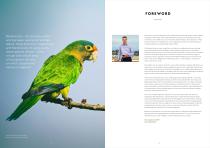
Biodiversity – the diversity within and between species (of animals, plants, fungi and micro organisms) and the diversity of ecosystems these species create – offers a huge and critical array of ecosystem services on which people and nature co-depend. One thing I’ve come to appreciate is the relationship between high-quality coffees, healthy ecosystems and thriving communities. Biodiversity supports the ecological services that the farmers, their coffee crops, the communities and ultimately all of us depend on. These services range from soil regeneration, water replenishment, pest control and...
Open the catalog to page 3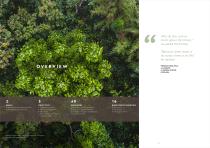
Why do you care so much about this forest,” we asked the farmer. “Because when there is no water, there is no life,” he replied. HORMIDAS ARIAS ARIAS, AAA FARMER, LA GIORGIA CLUSTER, COSTA RICA BIODIVERSITY PRIORITIES Regenerative and organic agriculture Natural landscape conservation 5 key species 3 key habitats 8 ecosystems services Agrochemicals control Waste water management Zero offtake Natural habitat conservation Habitat restoration 10 related to pressure causing loss 5 related to state of biodiversity 20 related to responses preventing loss 5 related to benefits Coffee farm and shade...
Open the catalog to page 4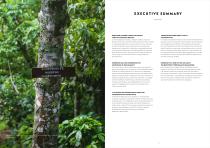
BIODIVERSITY OFFERS A HUGE AND CRITICAL ARRAY OF ECOSYSTEM SERVICES on which people and nature co-depend. Indeed, more than half the world’s Gross Domestic Product (USD 44 trillion) is highly or moderately dependent on nature and its services. However, as demonstrated by several recent reports by international organisations, biodiversity is declining at unprecedented levels and the world is falling short of delivering global environment goals. Biodiversity loss is being driven by a range of pressures, many arising from industrial activities, energy production and agriculture. AMBITIOUS NEW BIODIVERSITY...
Open the catalog to page 5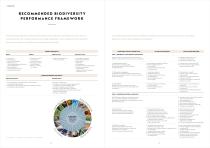
The Nespresso biodiversity framework identifies species, habitats and related ecosystem services Two biodiversity goals have been defined in Nespresso’s performance framework, each with specific that are priorities for company action across coffee landscapes. It also includes the most important objectives, actions and strategies, and indicators. pressures and impacts on biodiversity that Nespresso will tackle. BIODIVERSITY GOALS AND OBJECTIVES PRIORITY BIODIVERSITY Species Important areas Ecosystem services Forest birds Freshwater fish Insects: Order Odonata (dragonflies, etc.); Order Lepidoptera...
Open the catalog to page 6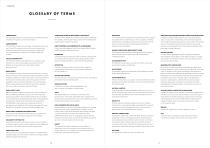
CORPORATE SCOPE OF BIODIVERSITY INFLUENCE Activities such as operations, processes and services managed by the company, all the supply chains, and the services feeding and supporting the company’s activities. AGGREGATION The clustering of data from multiple sources to enable an analysis of collective responses, outcomes and impacts. AGROFORESTRY The interaction of agriculture and trees, including the agricultural use of trees. This comprises trees on farms and in agricultural landscapes, farming in forests and along forest margins and tree‑crop production, including cocoa, coffee, rubber and...
Open the catalog to page 7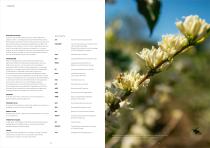
SITUATION ANALYSIS A process that will help create a common understanding of a project’s context – including describing the relationships among the biological environment and the social, economic, political, and institutional systems and associated stakeholders that affect the biodiversity the company wants to conserve. Depending upon the scale of the project and the resources available to it, a situation analysis can be an in-depth formal review of existing evidence and study of the area / problem or a less formal description based on input of those familiar with the area / problem. STAKEHOLDER...
Open the catalog to page 8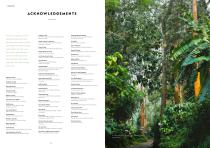
We are very grateful to the Nespresso team and their partners around the world for providing their time, thoughts and insights into this work. We would especially like to thank Julie Reneau for her determination, enthusiasm and ideas. We acknowledge and thank: Aurélien Cartal PUR Projet, Manager of Central Operations and Research, France Alejandro Queseda Murillo Cornell Bird Project, c/o ECOM Trading, San Ramon, Costa Rica Jean-Yves Duriaux Chavarría Cornell University, Research & Development Consultant, Nicaragua Tony Nello IUCN, San José, Costa Rica Juliette Cody PUR Projet, Senior Program...
Open the catalog to page 9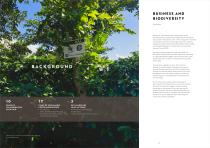
Biodiversity – the diversity within and between species (of animals, plants, fungi and micro‑organisms) and the diversity of ecosystems these species create – offers a huge and critical array of ecosystem services on which people and nature co‑depend. Indeed, more than half the world’s GDP (USD44 trillion) is highly or moderately dependent on nature and its services (World Economic Forum, 2020). However, as demonstrated by several recent reports by international organisations and NGOs, biodiversity is declining at unprecedented levels (IPBES, 2019; UN Environment, 2019; Secretariat of the Convention...
Open the catalog to page 10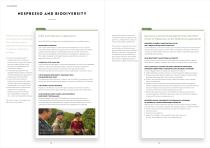
Nespresso has long understood IUCN and Nespresso collaboration the importance of sustainability to its value chain, and has established several workstreams of relevance to biodiversity including: The AAA Sustainable Quality™ Program which ensures expected environmental outcomes and impacts are met by helping farmers follow best practices (implemented with the Rainforest Alliance) A tree-planting programme and targeted habitat restoration initiatives, including landscape level approaches (implemented with PUR Projet) A series of environmental and biodiversity assessments and studies, including...
Open the catalog to page 11Archived catalogs
 Nespresso organic manual 2020
89 Pages
 Boutique leaflet
2 Pages
 Coffee Sheet
2 Pages
 CS-100
2 Pages
 CS-2XX
2 Pages
 Payment system
2 Pages


- NESPRESSO PROFESSIONAL coffee machine
- NESPRESSO PROFESSIONAL commercial coffee machine
- NESPRESSO PROFESSIONAL espresso coffee machine
- NESPRESSO PROFESSIONAL automatic coffee machine
- NESPRESSO PROFESSIONAL hot water coffee machine
- NESPRESSO PROFESSIONAL black coffee machine
- NESPRESSO PROFESSIONAL cappuccino coffee machine
- NESPRESSO PROFESSIONAL milk coffee machine
- Silver-colored coffee machine
- 2-group coffee machine
- 2-cup coffee machine
- NESPRESSO PROFESSIONAL 1-cup coffee machine
- NESPRESSO PROFESSIONAL pump coffee machine
- NESPRESSO PROFESSIONAL coffee machine with touch screen
- Filter coffee machine
- NESPRESSO PROFESSIONAL white coffee machine
- Manual coffee maker
- Fully-automatic coffee machine
- Combined coffee machine
- NESPRESSO PROFESSIONAL red coffee machine