


X-Floor® Pro
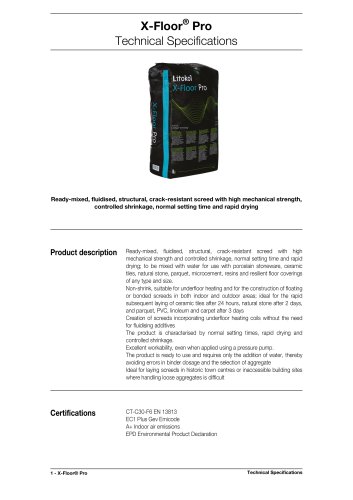
X-Floor® Pro
Catalog excerpts
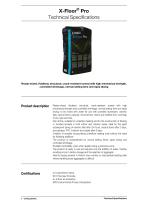
X-Floor® Pro Technical Specifications Ready-mixed, fluidised, structural, crack-resistant screed with high mechanical strength, controlled shrinkage, normal setting time and rapid drying Product description Ready-mixed, fluidised, structural, crack-resistant screed with high mechanical strength and controlled shrinkage, normal setting time and rapid drying; to be mixed with water for use with porcelain stoneware, ceramic tiles, natural stone, parquet, microcement, resins and resilient floor coverings of any type and size. Non-shrink, suitable for underfloor heating and for the construction of floating or bonded screeds in both indoor and outdoor areas; ideal for the rapid subsequent laying of ceramic tiles after 24 hours, natural stone after 2 days, and parquet, PVC, linoleum and carpet after 3 days Creation of screeds incorporating underfloor heating coils without the need for fluidising additives The product is characterised by normal setting times, rapid drying and controlled shrinkage. Excellent workability, even when applied using a pressure pump. The product is ready to use and requires only the addition of water, thereby avoiding errors in binder dosage and the selection of aggregate Ideal for laying screeds in historic town centres or inaccessible building sites where handling loose aggregates is difficult CT-C30-F6 EN 13813 EC1 Plus Gev Emicode A+ Indoor air emissions EPD Environmental Product Declaration Technical Specifications
Open the catalog to page 1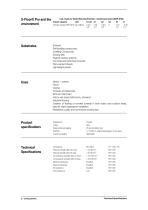
LCA results for Global Warming Potential - Greenhouse Gases (GWP-GHG) Impact category Unit A1-A3 C1 C2 C3 C4 D Climate change GWP-GHG kg CO0 eq 2.23 x 4.38 1.08 x 0 4.70 -5.46 Substrates Screeds Self-levelling compounds Levelling Compounds Existing tiles Radiant heating systems Concrete and reinforced concrete Fibre-cement sheets Lightweight panels Uses Interior - exterior Terraces and balconies SPA and Hammam Indoor wet areas (bathrooms, showers) Industrial flooring Creation of floating or bonded screeds in both indoor and outdoor areas, ideal for rapid subsequent installation. Residential,...
Open the catalog to page 2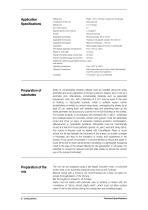
Application Specifications Mixing ratio Consistency of the mix Mixing time pH of the mixture Specific gravity of the mixture Pot life Applicable thicknesses Applicable thicknesses Applicable thicknesses Application Permissible application temperatures Ready for foot traffic Drying time before laying ceramic tiles Drying time before laying natural stone Waiting time before laying resilient flooring and parquet Operating temperature Cleaning of equipment Coverage Water – 6.4% (1.6 litres of water per 25 kg bag) Damp ground 5–10 minutes 13 2.10 kg/dm3 About 60 minutes Bonded screeds: 20 to 40 mm...
Open the catalog to page 3
Using the resulting mixture, which has the consistency of ‘damp earth’, levelling strips must be created to serve as a reference for achieving a flat surface at the correct level. The levelling strips must be laid at the same time as the screed. The mix must be compacted to minimise cavities or voids, levelled using a metal straightedge resting against the levelling strips, and trowelled to achieve a smooth, sealed surface with no standing water. Trowelling can be carried out using either a hand trowel or a machine fitted with a rotating disc. When pouring is interrupted due to a break in work,...
Open the catalog to page 4
Joint dimensions must be determined at the design stage, taking into account the following factors: type of screed, architectural layout, presence of discontinuities, type and size of the flooring to be laid, environmental conditions, and intended use of the flooring. Expansion joints are designed to accommodate the normal contraction and expansion of the hardened screed and are generally installed at: thresholds, floor areas exceeding 40 m2, rooms with a longest side exceeding 8 metres, the presence of discontinuities, and sudden changes in the dimensions of the floor. The UNI 11493 standard...
Open the catalog to page 5
Powered by TCPDF (www.tcpdf.org) Underfloor Heating: at least 4 days after the screed has been laid, the heating system can be started up with a supply water temperature of between +20°C and +25°C, maintaining this temperature constantly for at least 3 days; the system should then be set to the maximum design temperature and maintained at this level for a further 4 days. At the end of this cycle, allow the screed to return to room temperature and lay the covering (see standard EN 1264-4). Do not use for applications not listed on this technical data sheet For further information, please contact...
Open the catalog to page 6All LITOKOL catalogs and technical brochures
 X-Cleaner Scrub
3 Pages
 Starlike® Remover
3 Pages
 Starlike® Care Pro
3 Pages
 Starlike® Wall Care
3 Pages
 Starlike® Care
3 Pages
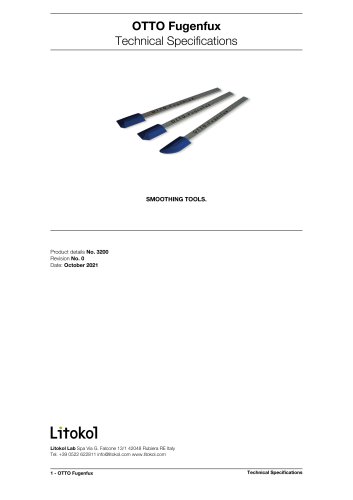 OTTO Fugenfux
1 Page
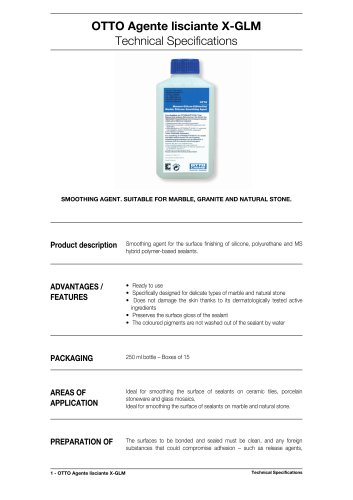 OTTO X-GLM Smoothing Agent
3 Pages
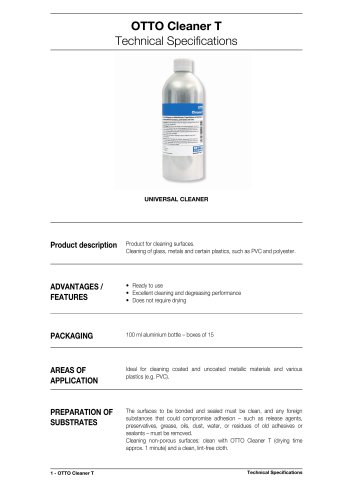 OTTO Cleaner T
3 Pages
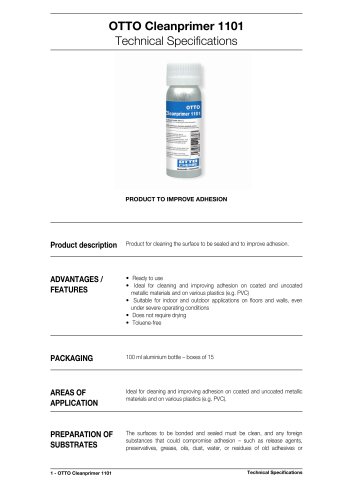 OTTO Cleanprimer 1101
3 Pages
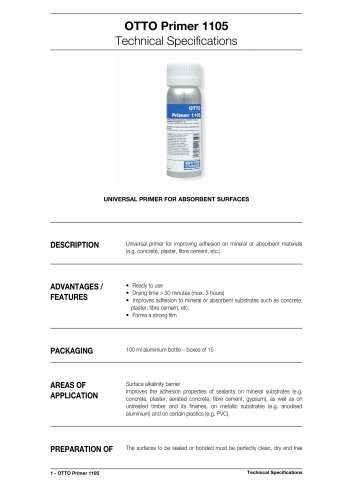 OTTO Primer 1105
3 Pages
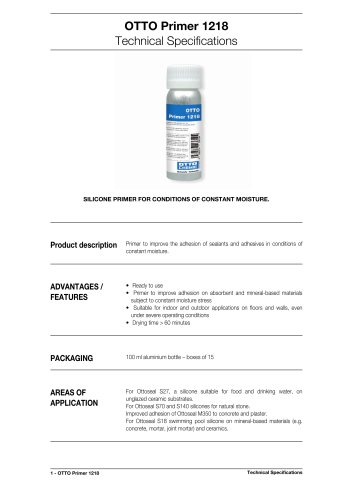 OTTO Primer 1218
3 Pages
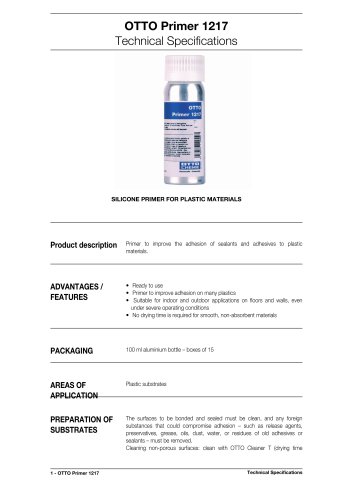 OTTO Primer 1217
3 Pages
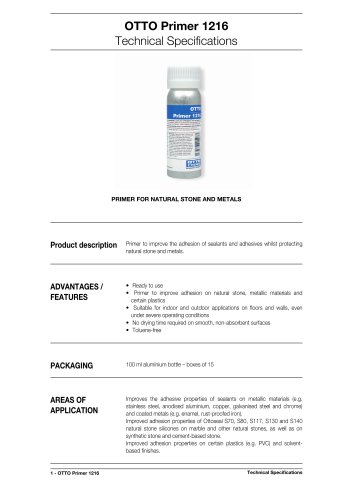 OTTO Primer 1216
3 Pages
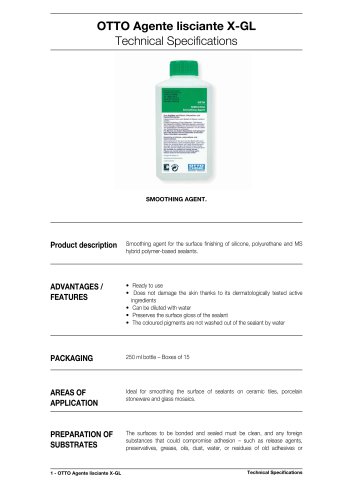 OTTO X-GL Smoothing Agent
3 Pages
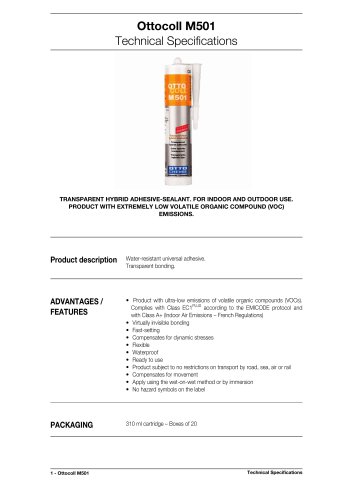 Ottocoll M501
4 Pages
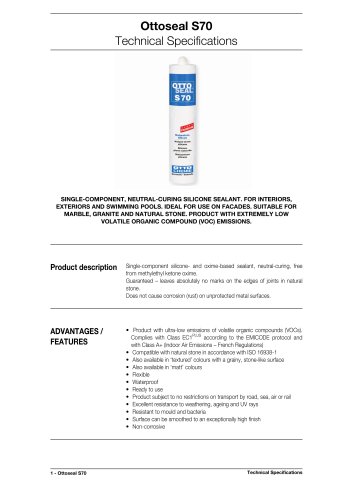 Ottoseal S70
5 Pages
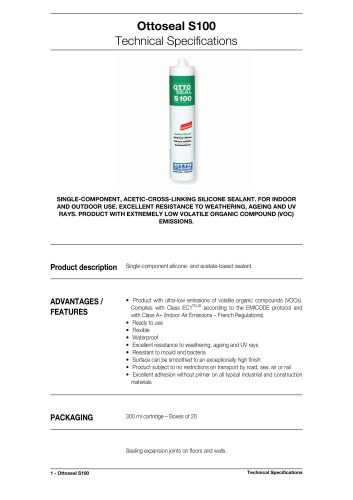 Ottoseal S100
5 Pages
 StyleGrout Tech
8 Pages
 Litogap
3 Pages
 Pixel® Precision
4 Pages
 Pixel® 3D-N
4 Pages
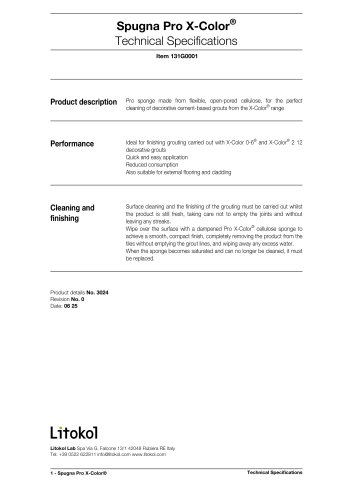 X-Color® Pro Sponge
1 Page
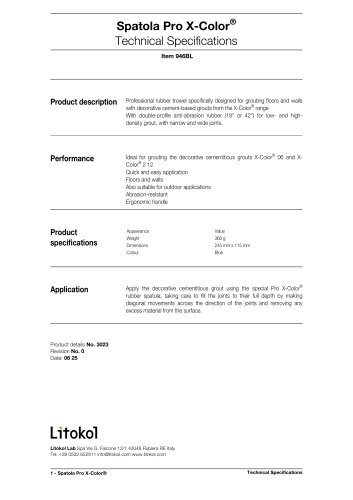 Pro X-Color® trowel
1 Page
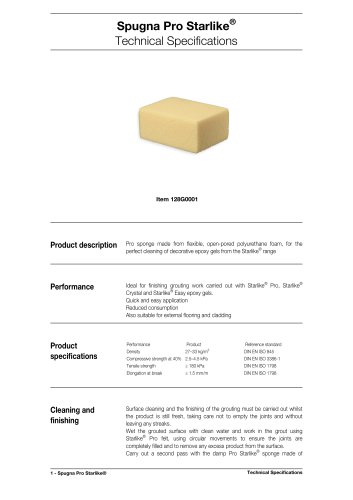 Starlike® Pro Sponge
2 Pages
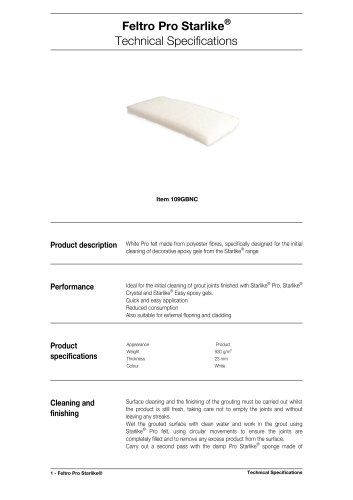 Starlike® Pro Felt
2 Pages
 Starlike® Pro trowel
1 Page
 EpoxyGel Booster
4 Pages
 Starlike® EVO Finishes
6 Pages
 Pro trowel
2 Pages
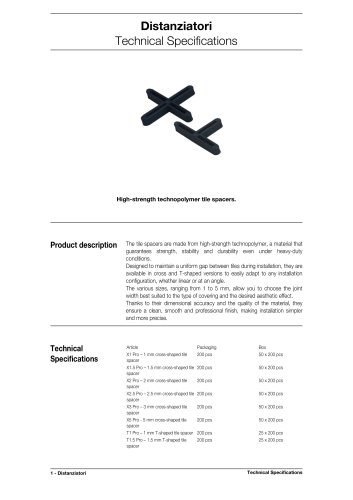 Spacers
2 Pages
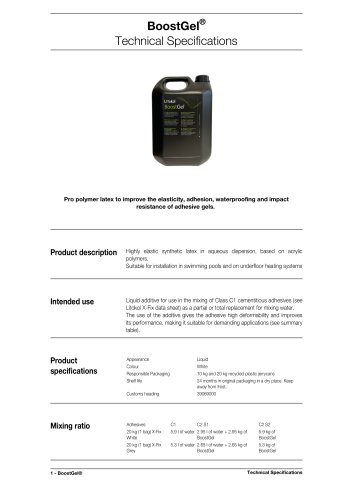 BoostGel®
4 Pages
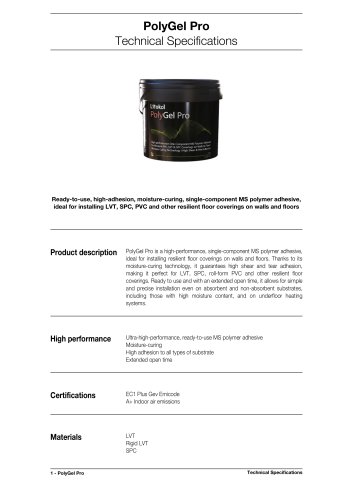 PolyGel Pro
4 Pages
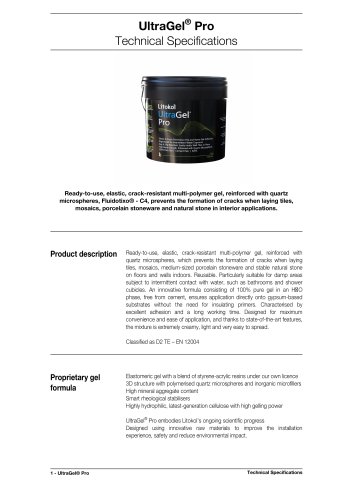 UltraGel® Pro
7 Pages
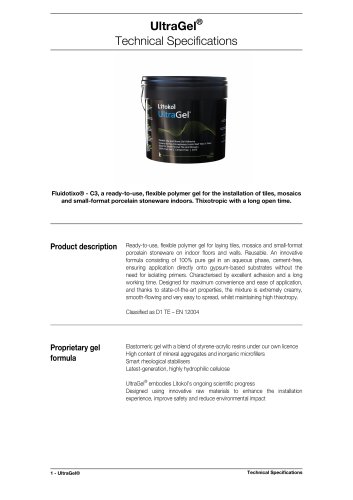 UltraGel®
7 Pages
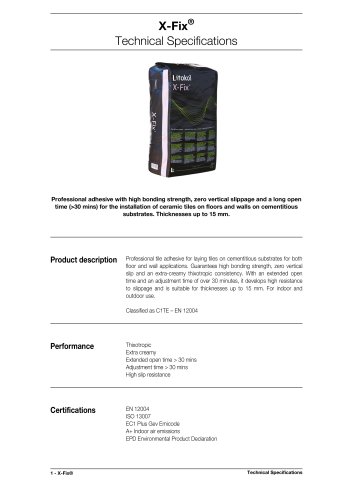 X-Fix®
6 Pages
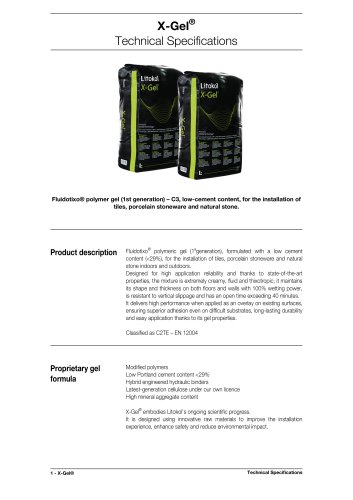 X-Gel®
8 Pages
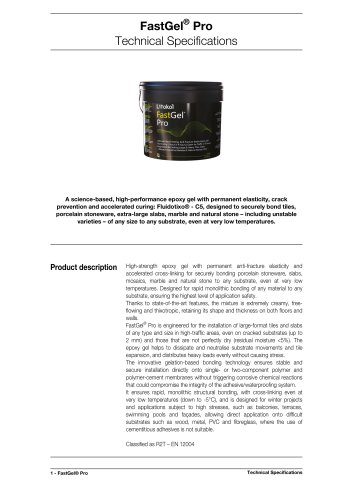 FastGel® Pro
10 Pages
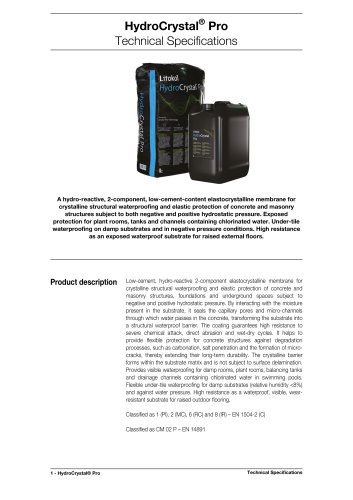 HydroCrystal® Pro
8 Pages
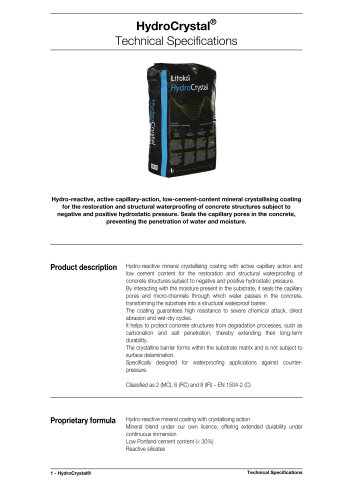 HydroCrystal®
7 Pages
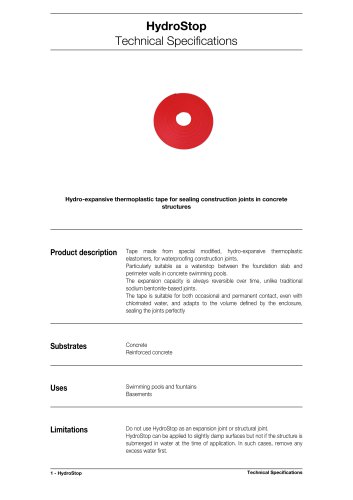 HydroStop
3 Pages
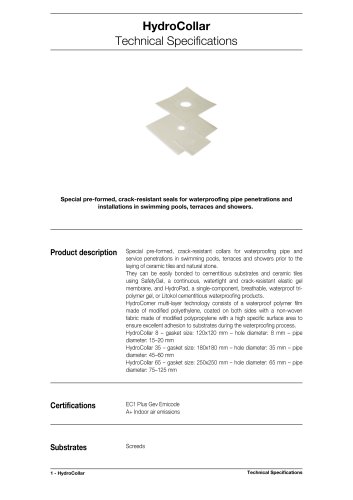 HydroCollar
4 Pages
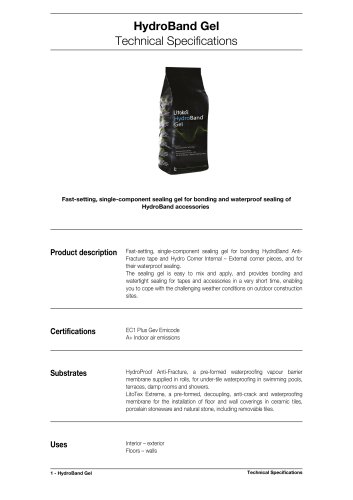 HydroBand Gel
5 Pages
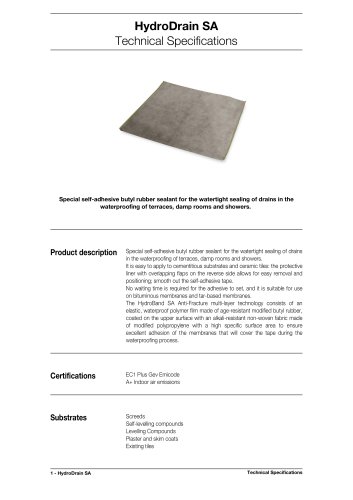 HydroDrain SA
4 Pages
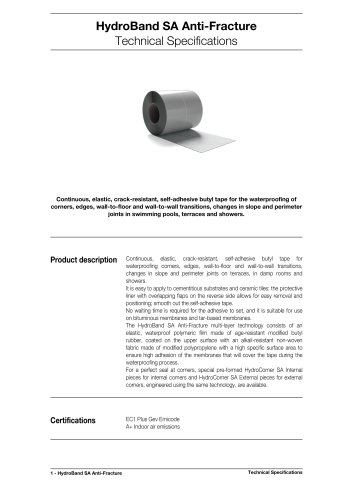 HydroBand SA Anti-Fracture
5 Pages
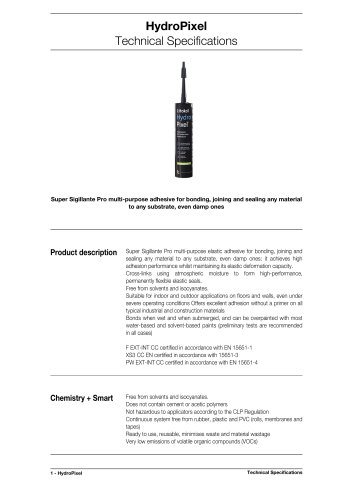 HydroPixel
4 Pages
 HydroProof Anti-Fracture
6 Pages
 Litomesh
3 Pages
 HydroPad® Indoor
1 Page
 HydroPad® SuperFast
9 Pages
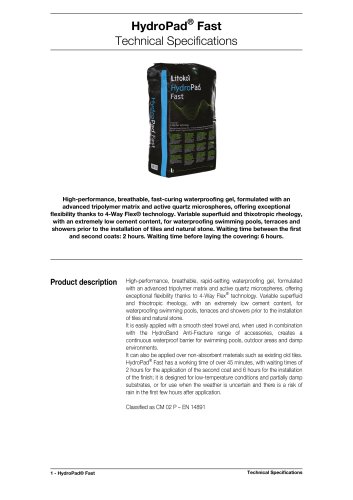 HydroPad® Fast
9 Pages
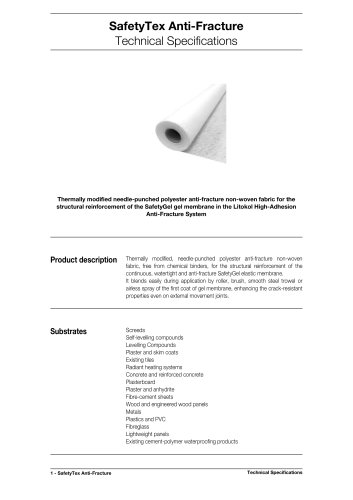 SafetyTex Anti-Fracture
4 Pages
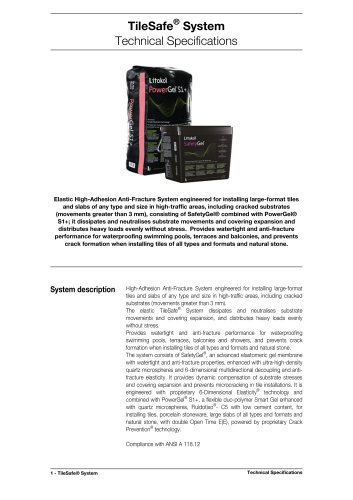 Système TileSafe®
8 Pages
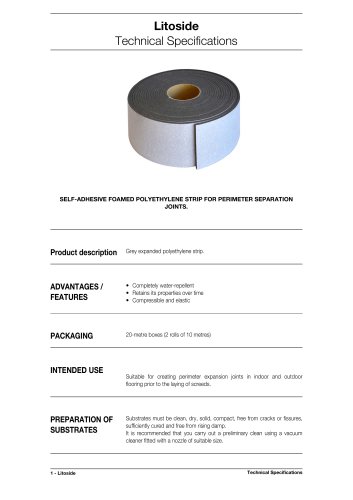 Litoside
3 Pages
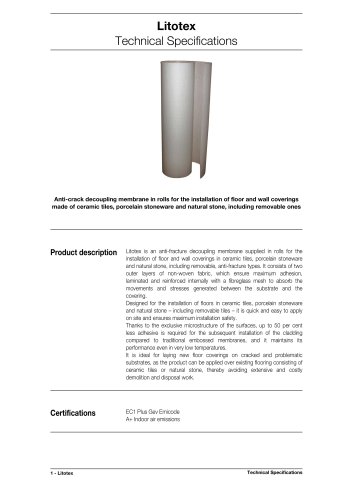 Litotex
5 Pages
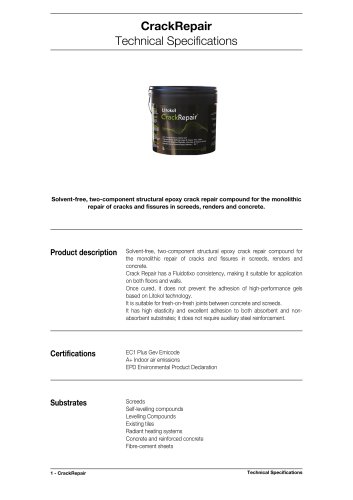 CrackRepair
5 Pages
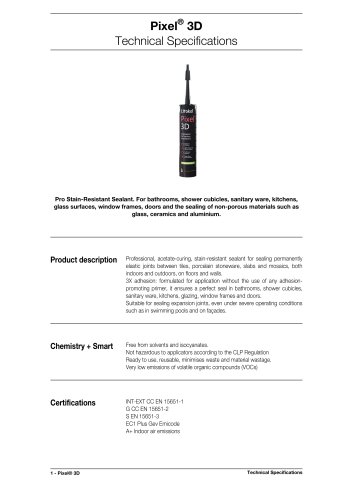 Pixel® 3D
5 Pages
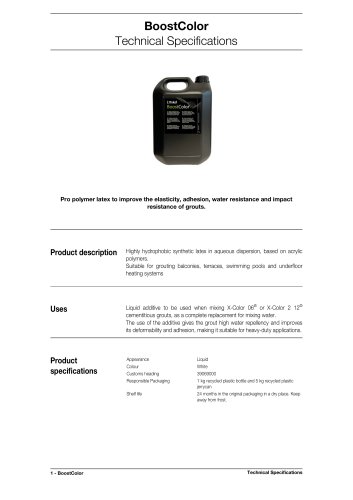 BoostColor
4 Pages
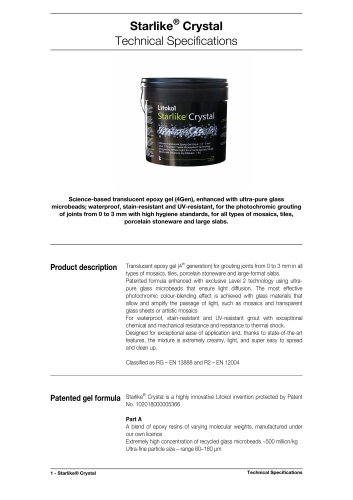 Starlike® Crystal
10 Pages
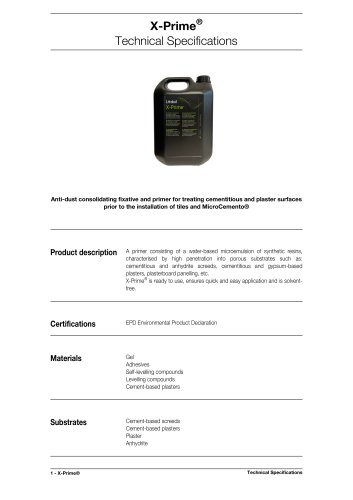 X-Prime®
4 Pages
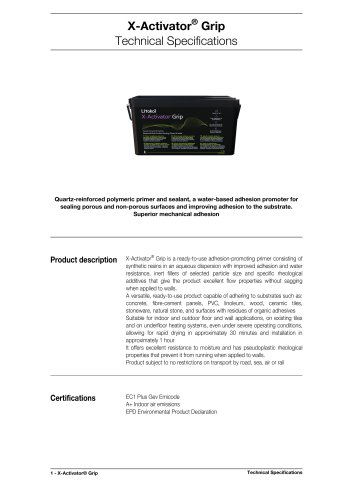 X-Activator® Grip
4 Pages
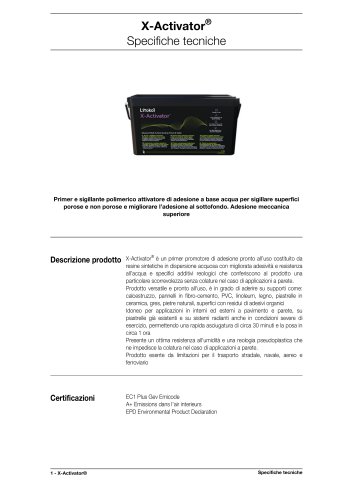 X-Activator®
4 Pages
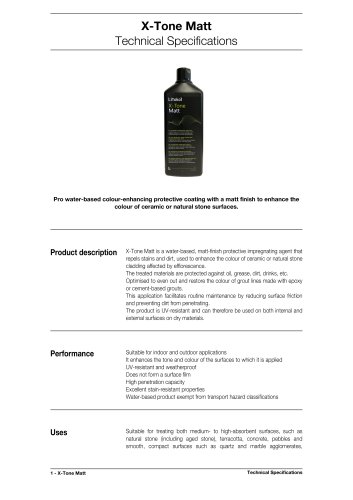 X-Tone Matt
3 Pages
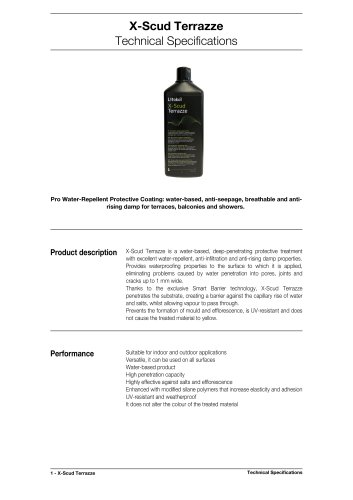 X-Scud Terrazze
3 Pages
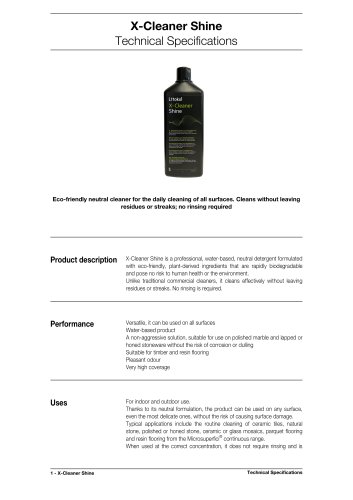 X-Cleaner Shine
3 Pages
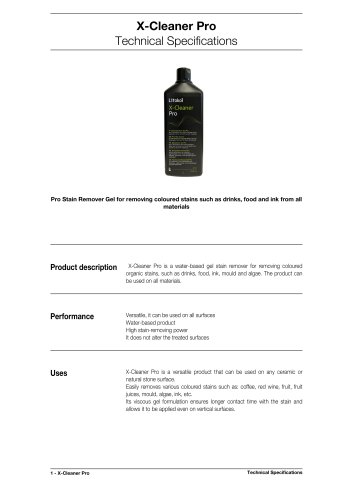 X-Cleaner Pro
3 Pages
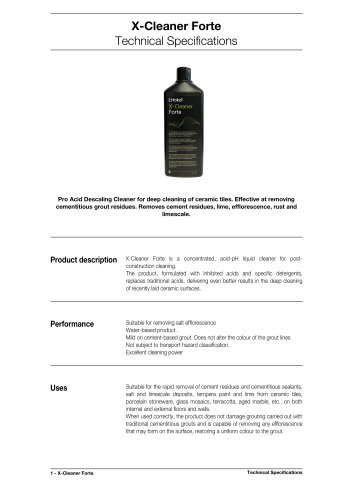 X-Cleaner Forte
3 Pages
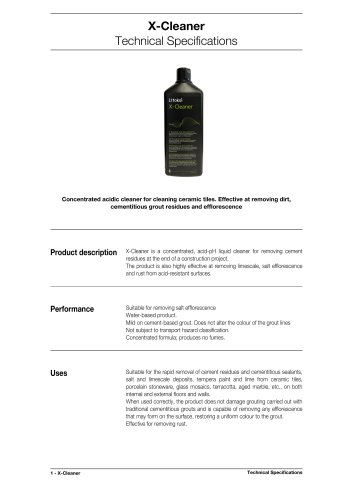 X-Cleaner
3 Pages
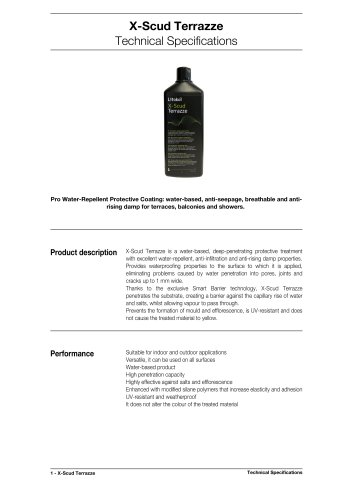 X-Scud Terrazze
3 Pages
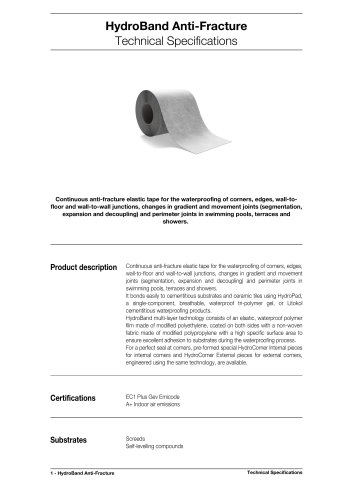 HydroBand Anti-Fracture
4 Pages
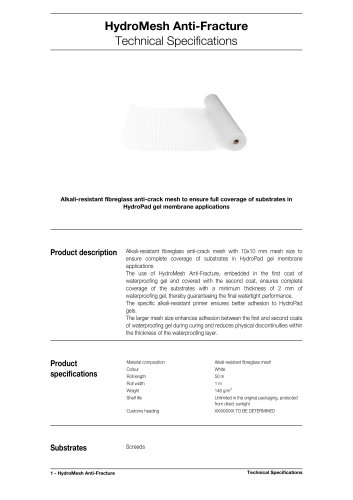 HydroMesh Anti-Fracture
4 Pages
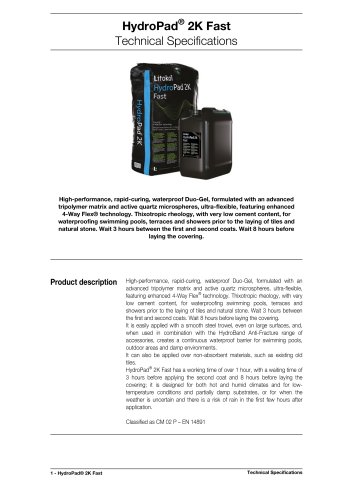 HydroPad® 2K Fast
8 Pages
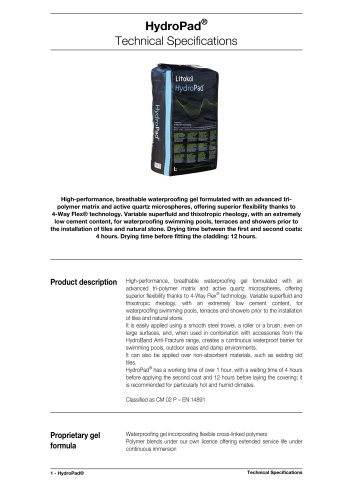 HydroPad®
10 Pages
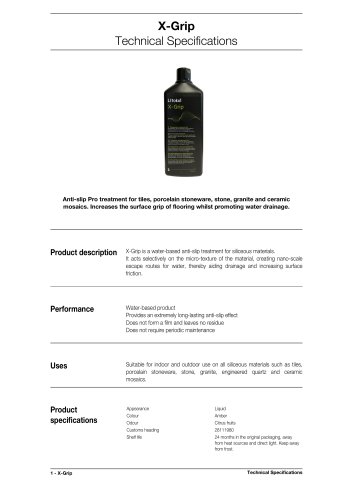 X-Grip
3 Pages
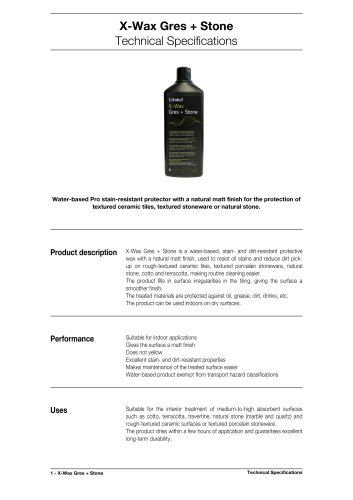 X-Wax Gres + Stone
3 Pages
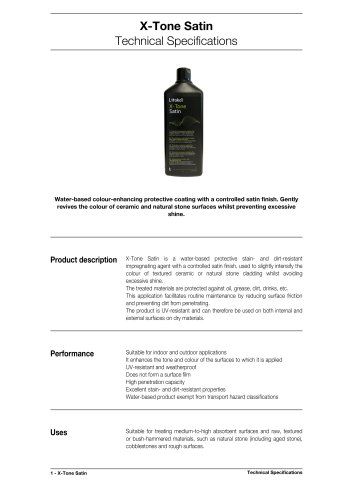 X-Tone Satin
3 Pages
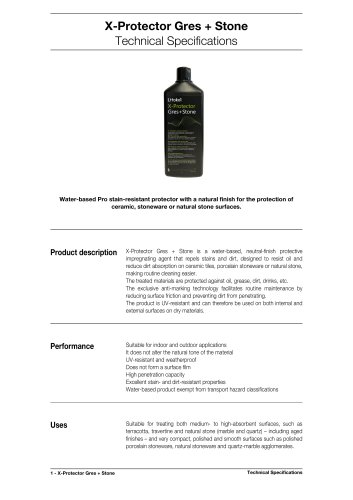 X-Protector Gres + Stone
3 Pages
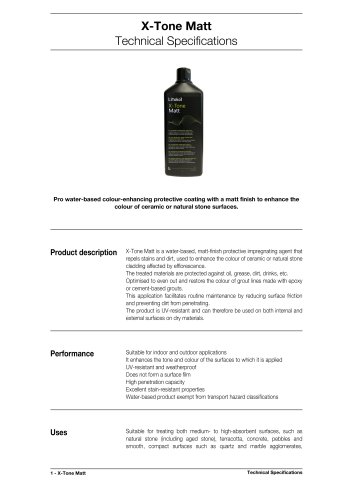 X-Tone Matt
3 Pages
 PowerGel® Pro Max
10 Pages
 PowerGel® Pro
10 Pages
 PowerGel®
10 Pages
 ActiveGel® S2
10 Pages
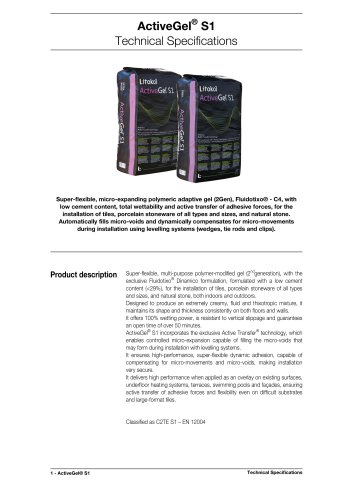 ActiveGel® S1
10 Pages
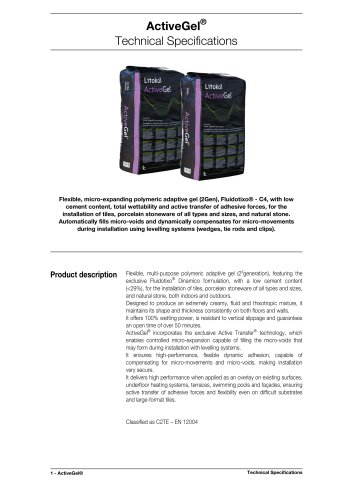 ActiveGel®
10 Pages
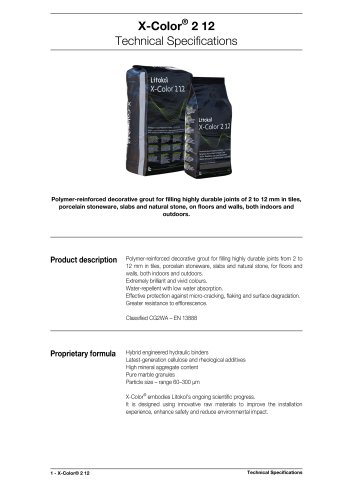 X-Color® 2 12
8 Pages
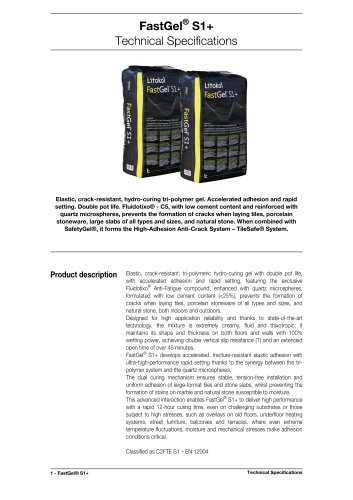 FastGel® S1+
12 Pages
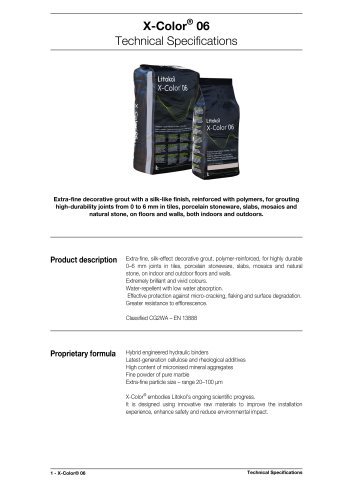 X-Color® 06
8 Pages
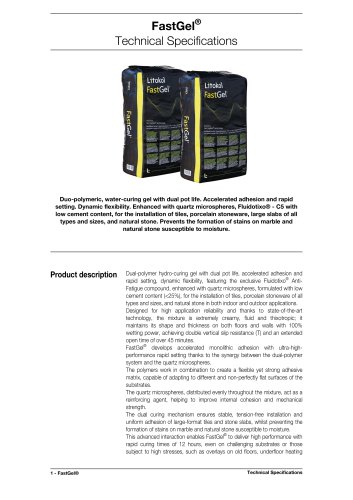 FastGel®
10 Pages
 X-Level® 0-10
6 Pages
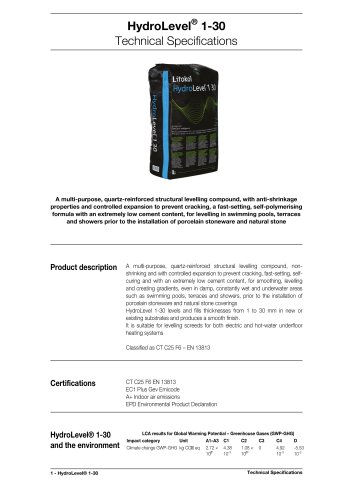 HydroLevel® 1-30
5 Pages
 X-Plan® 1-20
6 Pages
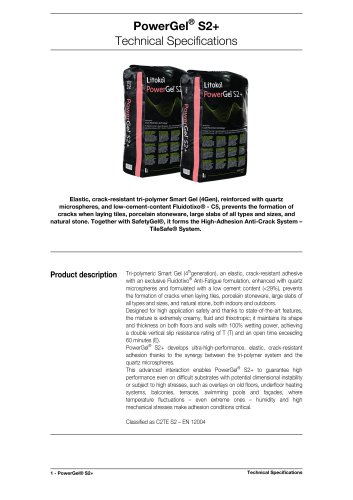 PowerGel® S2+
13 Pages
 X-Plan® 3-40
5 Pages
 PowerGel® S1+
13 Pages
 SafetyGel®
12 Pages
 X-Floor®
7 Pages
 PowerGel®
10 Pages
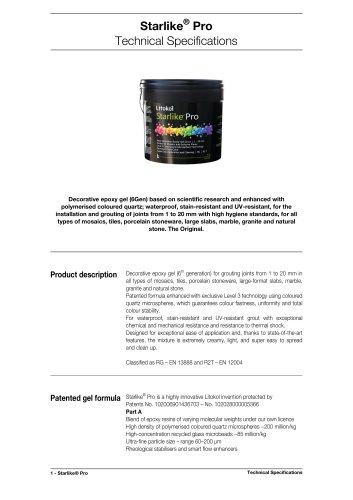 Starlike® Pro
12 Pages
- Industrial plaster
- Building coating
- Indoor coating
- Waterproofing membrane
- Outdoor coating
- Roll waterproofing membrane
- Plastic waterproofing membrane
- Protection waterproofing membrane
- Litokol indoor primer
- Waterproofing
- Concrete coating
- Litokol sealant
- Litokol outdoor primer
- Concrete mortar
- Cement mortar
- Liquid waterproofing
- Concrete primer
- Flexible waterproofing membrane
- Litokol adhesive mortar