


- Company
- Products
- Catalogs
- News & Trends
- Exhibitions
Fumako factsheet

Fumako factsheet
Catalog excerpts

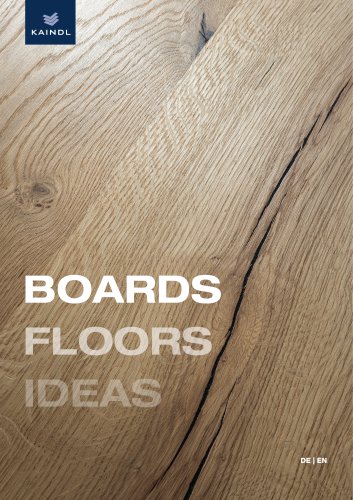
FUMAKO Eine Kombination aus Furnier und Massivholz, das ist FUMAKO von Kaindl. Schon im M ittelalter wurde im Möbelbau günstiges Weichholz mit einem wertigen, 3 mm starken Furnier belegt. Neu ist das Prinzip also nicht, doch nun wesentlich verfeinert: FUMAKO besteht aus einer massiven Eichenholzplatte, die mit Furnier in verschiedenen Eichenvarianten belegt wird. Als Trägermaterial dient eine keilgezinkte Holzplatte, verfügbar in zwei Stärken. Den rustikalen Charakter bekommt FUMAKO durch die schönen Charismo-Furniere, etwa Eiche Altholz, Eiche Wild oder Eiche Astig. Gut kombiniert! Eiche Altholz | Oak Antique Eiche Wild | Rustic Oak Eiche Astig | Knotty Oak A combination of veneer and solid wood – that is FUMAKO from Kaindl. Even in the middle ages it was common for furniture makers to apply a high-quality 3 mm veneer to cost- ffective e softwood. Although this technique is not new, it is meanwhile much more elaborate: FUMAKO consists of a solid oak board with various oak veneer applications. A finger-jointed wood board, available in two thicknesses, serves as substrate. FUMAKO gets its rustic character from the attractive Charismo veneers such as Oak Antique, Rustic Oak or Knotty Oak. Well combined!
Open the catalog to page 1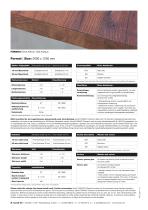
FUMAKO Eiche Altholz | Oak Antique Format | Size: 3000 x 1250 mm Stärken Trägerplatte Eiche Holzfurnier Elegant (schlicht) * Die Holzarten Eiche Astig, Eiche Wild und Eiche Altholz werden nur in der Ausführung N/N angeboten. Eiche Holzfurnier Alle Furnierdecks werden fugenverleimt, um eine ausgezeichnete Fugenqualität zu gewährleisten. Furnierverleimung Platteneigenschaften Plattenfeuchte bei Auslieferung Holzeinsatz - Standardfurnier 0,6mm: ausschließlich mit transparenter Verleimung - Starkfurnier 0,9mm: Verleimung mit schwarzem oder transparentem Leim möglich. Die Farbe des verwendeten Leims...
Open the catalog to page 2All Kaindl catalogs and technical brochures
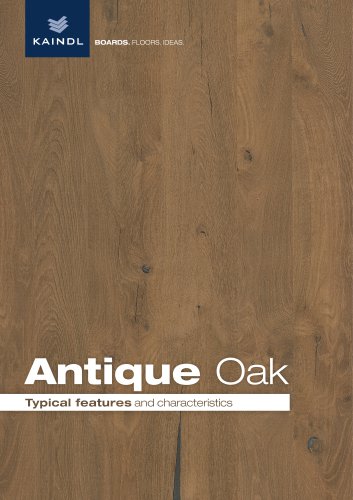 Antique Oak
2 Pages
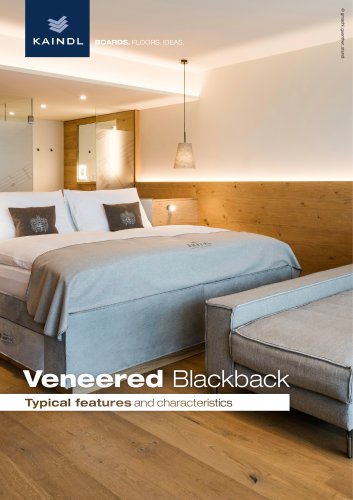 Veneered Blackback
2 Pages
 Anti-Fingerprint
2 Pages
 BOARDS collection
69 Pages
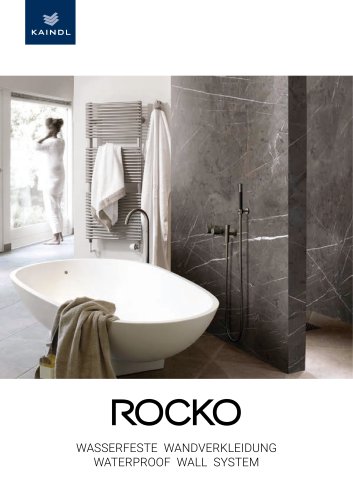 ROCKO - waterproof panels
47 Pages
 FLOORING NEWS 2024
93 Pages
 BOARDS LEAD 2022
40 Pages
 Architect's Book
47 Pages
 Flooring Collection 2023
172 Pages
- Decorative panel
- Interior decorative panel
- Wall-mounted decorative panel
- Commercial decorative panel
- Home decorative panel
- Cover decorative panel
- Textured decorative panel
- Furniture decorative panel
- High-resistance decorative panel
- Wood decorative panel
- Smooth decorative panel
- Building decorative panel
- Laminate decorative panel
- Matte decorative panel
- Melamine decorative panel
- Wood look decorative panel
- Sustainable decorative panel
- Fire-retardant decorative panel
- Colored decorative panel
- Gray decorative panel