
- Catalogs
- James Hardie - France
- The Streetscape: Designing an Outdoor Room


The Streetscape: Designing an Outdoor Room
1 /1Page

The Streetscape: Designing an Outdoor Room
1 /1Page
Catalog excerpts
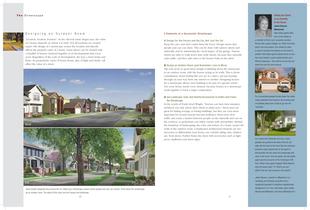
21 3 Elements of a Successful St reetscape 1 Design for the Person and the Car, Not Just the Car Keep the cars—just don’t make them the focus. Design streets that people and cars can share. This can be done with narrow streets and sidewalks and by minimizing the visual impact of the garage. Narrow streets are safer to walk down than wide streets, because they naturally calm traffic, and they add value to the houses built on the street. 2 Design an Outdoor Room (and Remember: Less Is More) The real secret to good street design is thinking about the streetscape as an outdoor room, with the houses acting as its walls. This is about containment, about feeling like you are in a place, not just passing through on your way from one interior to another. Designing houses for a streetscape allows each building to be part of a greater whole. Not every house needs every element, because houses in a streetscape work together to form a larger composition. 3 Use Landscape, Color and Tasteful Accessories to Soften and Frame the Streetscape In the words of Frank Lloyd Wright, “Doctors can bury their mistakes; architects can only advise their clients to plant trees.” Street trees are great for hiding average or boring buildings, but they are even more important for several reasons beyond aesthetics. Street trees slow traffic and create a barrier between people on the sidewalk and cars on the roadway so pedestrians can safely coexist with automobiles. Behind the backdrop of landscaping, the color and texture of a home creates the walls of the outdoor room. Complicated architectural elements are not necessary to differentiate your house; use colorful siding, trim, shutters and front doors. Further frame the street with accessories such as light posts, mailboxes and street signs. Rendering TK D e s i g n i n g a n O u t d o o r R o o m “Location, location, location”: As the old real estate slogan says, the value of a house depends on where it is built. Not all locations are created equal—the design of a streetscape creates the location and directly affects the property value of a home. Great places can be created with a handful of houses clustered together or in developments that cover acres. Regardless of the scale of development, the way a street looks and feels— its proportions, views of house fronts, play of light and shade—all affect the value of a street. 20 Avoid streets designed only around the car. Make your streetscape a place where people and cars can coexist. Think about the streetscape as an outdoor room. The walls of this room are the houses and landscape. Avoid Use T h e S t r e e t s c a p e Selling the Street as an Amenity to the House Jackie Benson, Milesbrand Real estate agents often sell a home based on a checklist of items such as granite counters, Roman tubs, square footage, etc. When the home itself is the only product, this method of sales is used to compare the features of one home to another. Real estate agents selling homes on nice tree-lined streets in great neighborhoods use a different approach—they sell the community and street first and the home second. On a conventional garage-fronted street, the realtor meets potential home buyers in the driveway and immediately takes them inside to go over the “checklist.” On a street with sidewalks and trees, where garages are pushed to the back of the lot, the walk with the buyer to the home they are reviewing presents a great opportunity for the agent to demonstrate how the street and streetscape add value to the home. Time and again, the real estate agent sees the concerns of the homebuyer shift from “What is the square footage? What features does the house have?” to “Which one can I afford? How do I get a house on this street?” Jackie Benson, a partner in Milesbrand, is a marketing and branding consultant and a recognized specialist in traditional neighborhood development. For more information about Jackie Benson and Milesbrand, visit www.milesbrand.com.
Open the catalog to page 1All James Hardie - France catalogs and technical brochures
 Complete facade brochure
40 Pages


Archived catalogs
 HZ10™-HardiePanel pg. 99-105
7 Pages
 HZ10™-HardieShingle pg. 88-98
11 Pages
 HZ10™-HardiePlank pg. 77-87
11 Pages
 HZ10™-HardieSoffit pg. 65-76
12 Pages
 HZ10™-HardieTrim pg. 40-64
24 Pages
 HZ10™-HardieWrap pg. 27-39
13 Pages
 HZ5™-HardieShingle pg. 60-68
9 Pages
 HZ5™-HardiePlank pg. 49-59
11 Pages
 HZ5™-HardieSoffit pg. 39-48
10 Pages
 HZ5™-HardieTrim pg. 23-38
16 Pages
 power of design
2 Pages
 the value of design
3 Pages
 Hardie Warp
8 Pages
 Hardie® Reveal™ Panel
4 Pages
 HardiePlank - Dovercourt
2 Pages
 HardiePlank
2 Pages
 HardieBacker
2 Pages
 Hardie Pipe
41 Pages


- Rainscreen cladding
- Decorative paint
- Panel rainscreen cladding
- Outdoor paint
- Profile
- Trim board
- Smooth rainscreen cladding
- Decorative cassetta
- Industrial acrylic paint
- Gray cassetta
- Sustainable rainscreen cladding
- Metal profile
- Industrial wood paint
- Finish paint
- Vertical cladding
- Textured cladding
- Composite cladding
- Metal paint
- Concrete paint
- Brown cassetta