
- Catalogs
- Innova Nanojet Technologies
- Advancing indoor Air Quality With NanoJet Technology


- Company
- Products
- Catalogs
- News & Trends
- Exhibitions
Advancing indoor Air Quality With NanoJet Technology
Advancing indoor Air Quality With NanoJet Technology
This white paper addresses the critical issue of indoor air pollution in South America, emphasizing its severe impact on public health due to urbanization and biomass fuel use. It highlights pollutants such as PM2.5, PM10, bioaerosols, and allergens, which contribute to respiratory and cardiovascular diseases. The paper critiques conventional air purifiers and introduces Innova NanoJet's CDa technology as a superior solution, offering rapid and prolonged pollutant removal with reduced maintenance costs.
Air quality is a significant concern globally, with South America facing challenges from urbanization, industrial activities, and natural phenomena. Key pollutants include particulate matter, bio-aerosols, and allergens, which have profound health impacts, especially in rural and underserved communities reliant on biomass fuels.
Indoor air quality significantly affects health, with pollutants like PM2.5 linked to millions of premature deaths annually. Bioaerosols and allergens exacerbate respiratory conditions, and indoor pollutant levels often exceed outdoor levels, posing significant health risks due to prolonged indoor exposure.
South American cities face severe IAQ issues, with pollutants like PM, NOx, and bioaerosols affecting urban populations. Cities like Santa Gertrudes, Lima, and Bogotá report PM levels exceeding WHO guidelines, leading to increased respiratory and cardiovascular health issues.
Traditional air purifiers often fail to address the complex air quality challenges in South America, necessitating innovative solutions like Innova NanoJet's CDa technology.
CDa technology offers rapid action and prolonged impact against indoor pollutants, with higher efficiency and lower maintenance costs compared to traditional methods. Third-party lab tests confirm its effectiveness against viruses and allergens.
CDa technology has been tested against the MS2 virus and pollen, demonstrating significant efficacy in reducing these pollutants.
The white paper concludes with a call for sustainable and equitable air quality solutions in South America, emphasizing the potential of Innova NanoJet's CDa technology to mitigate indoor air pollution effectively.
- PM2.5 exposure is associated with higher mortality rates and increased emergency department visits for respiratory issues.
- Urbanization, vehicle emissions, and biomass fuel use elevate PM levels beyond WHO guidelines.
- In Lima, a 3.7% increase in emergency visits was noted for every 6.02 μg/m³ rise in PM2.5.
Indoor PM pollution is exacerbated by outdoor air infiltration and indoor activities like biomass fuel use. In São Paulo, vehicular emissions contribute significantly to PM2.5 levels.
Countries like Chile have established air quality monitoring networks, but challenges remain due to limited coverage. Initiatives like improved biomass cookstoves in Honduras have reduced indoor PM levels.
The COVID-19 pandemic highlighted the role of bioaerosols in indoor environments. Previous PM2.5 exposure was linked to COVID-19 cases and deaths, emphasizing the need for long-term air pollution reduction.
Pollens, mold spores, and dust mites are major sources of airborne allergens, leading to increased cases of hay fever and allergic rhinitis in South America.
HEPA filters struggle to capture ultrafine particles (0.1–1.0 µm), reducing their efficacy against bioaerosols. High operational costs and energy usage are additional challenges.
CDa technology offers a novel solution by using nano-sized droplets to encapsulate and remove airborne pollutants and pathogens, overcoming the limitations of conventional sprays and HEPA filters.
NanoJet Technology represents a significant advancement over conventional spray methods by releasing ultra-fine droplets into the air. These droplets encapsulate and isolate airborne viruses and pollutants, significantly reducing their ability to interact with host cells. Experimental studies show that submicron droplets can reduce particulate matter concentrations by 30% within 30 minutes.
The CDa system effectively removes a wide range of airborne contaminants, including PM2.5-5-10, viruses such as COVID-19, and common allergens like pollen and dust. It offers a sustainable and economical choice for clean indoor environments by avoiding costly filter replacements.
Third-party testing by LMS Technologies demonstrated the CDa system's efficacy against the MS2 virus, achieving a 94% reduction in 20 minutes with water and a 99.93% reduction with diluted disinfectant. The system also showed significant reductions in pollen particles, with an 82.2% reduction for particles larger than 0.3 microns and nearly 100% for particles larger than 3.0 microns.
The document highlights the air pollution crisis in South America and the need for effective solutions. It emphasizes the urgency for deploying new technologies like CDa, collaborative efforts among policymakers and industry leaders, and increasing public awareness about air quality issues. Innova NanoJet's CDa is positioned as a pivotal solution to improve indoor air quality and public health.
Catalog excerpts
Advancing Indoor Air Quality with NanoJet Technology
Open the catalog to page 1
Innova NanoJet Technologies
Open the catalog to page 2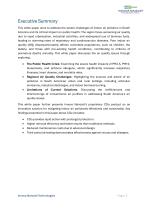
TECHNOLOGIES LIMITED This white paper aims to address the severe challenges of indoor air pollution in South America and its critical impact on public health. The region faces worsening air quality due to rapid urbanization, industrial activities, and widespread use of biomass fuels, leading to alarming rates of respiratory and cardiovascular diseases. Poor indoor air quality (IAQ) disproportionately affects vulnerable populations, such as children, the elderly, and those with pre-existing health conditions, contributing to millions of premature deaths annually. This white paper discusses the...
Open the catalog to page 3
Chapter 01 I Introduction The Importance of Air Quality Air quality is a critical environmental and public health issue that affects populations worldwide. In South America, the challenge of maintaining clean air is shaped by a complex interplay of natural and anthropogenic factors. Rapid urbanization, industrial activities, vehicular emissions, and deforestation contribute significantly to air pollution. This is compounded by natural phenomena such as wildfires, volcanic eruptions, and seasonal pollen dispersal, creating a multifaceted air quality problem. Air pollution, both indoor and outdoor,...
Open the catalog to page 4
profound. Vulnerable groups, including children, pregnant women, the elderly, and those with pre-existing respiratory conditions, are disproportionately affected. The impacts of poor air quality extend beyond human health. Ecosystem degradation, reduced agricultural yields, and climate change are direct consequences of unaddressed pollution. In the Amazon, for instance, forest fires contribute to regional air pollution while accelerating deforestation and biodiversity loss. Urban centers like São Paulo, Santiago, and Bogotá face growing challenges from vehicular and industrial emissions, while...
Open the catalog to page 5
Chapter 02 I The Hidden Dangers of Poor Indoor Air Quality Indoor air quality (IAQ) significantly impacts human health contributing to various adverse health outcomes. Understanding the dangers and sources of these pollutants is crucial for effective mitigation. Fine particulate matter (PM2.5) and other indoor air pollutants are strongly associated with respiratory and cardiovascular diseases. Indoor air pollution is responsible for over 3.2 million premature deaths annually. On average, people spend 90% of their time indoors, where pollutant levels can be up to 100 times higher than outdoor...
Open the catalog to page 6
confirmed COVID-induced deaths worldwide. emphasizing the need for proper indoor air quality management globally [7]. Airborne Allergens: Common indoor allergens include dust mites, pet dander, and cockroach droppings. Exposure to these allergens can trigger allergic reactions and asthma attacks, particularly in sensitized individuals. The EPA notes that biological contaminants are often found in areas that provide food and moisture, such as humidifiers, bedding, and carpeting [8]. Indoor pollutant levels can often exceed outdoor levels, especially in poorly ventilated spaces. The EPA reports...
Open the catalog to page 7
Chapter 03 I Indoor Air Quality in South America Indoor air quality (IAQ) in South American cities is a pressing public health issue, with pollutants such as particulate matter (PM), nitrogen oxides (NOx), ozone (O₃), bioaerosols (including viruses and bacteria), and airborne allergens adversely affecting urban populations. PM2.5 exposure across 337 cities in South America has been linked to higher mortality rates, underscoring the severe long term health risks of particulate matter pollution within the region. Health impacts include higher emergency department visits for asthma and COPD. In...
Open the catalog to page 8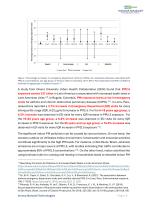
Figure 1 Percentage increases in emergency department visits by children for respiratory diseases associated with PM2.5 concentrations, per age group, in the four cities in Colombia, 2011–2014. Point estimates and 95% confidence intervals for age groups of children in years [13]. A study from Drexel University Urban Health Collaborative (2024) found that PM2.5 exposure across 337 cities in Latin America is associated with increased death rates in Latin American cities [14]. In Bogotá, Colombia, PMs exposure led to a rise in emergency visits for asthma and chronic obstructive pulmonary disease...
Open the catalog to page 9
levels. In South America, a substantial portion of the population relies on solid fuels [17], this could result in indoor PM concentrations to be 10–50 times higher than WHO guideline values [18]. Countries such as Chile have established air quality monitoring networks and enacted legislation to control air pollution [19]. However, challenges persist due to limited coverage of monitoring stations, especially in smaller cities and rural areas. In Honduras, the social enterprise Mirador has installed nearly 200,000 improved biomass cookstoves, leading to significant reductions in indoor PM levels...
Open the catalog to page 10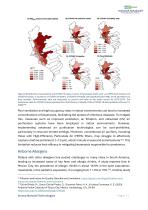
Figure 2 Distribution of air pollution and COVID-19 cases in Lima. A Particulate matter ≤2.5 μm (PM2.5), B incidence of COVID-19 cases, C incidence of COVID-19 deaths, D COVID-19 fatality rate (Deaths/Cases*100), and E abundance of food markets. Environmental data are expressed as μm/m3 and refer to the mean values for 2012–2016. The distribution data for COVID-19 were obtained from the Ministry of Health of Peru (COVID-19 data updated until June 12, 2020) [22]. Poor ventilation and high occupancy rates in indoor environments can lead to increased concentrations of bioaerosols, facilitating the...
Open the catalog to page 11
found that Airborne allergic diseases were prevalent amongst 12.0% of the adolescents, with house dust mites as the primary allergen (11.2%) [25]. The main sources of airborne allergens are pollens, mold spores, and dust mites. Most pollens are released from Urban vegetation, particularly trees and grasses. In Medellín, Colombia, studies have identified pollen from Fraxinus chinensis and Cecropia species as predominant, contributing to allergic reactions among residents [26]. For mold spores, high humidity levels in tropical and subtropical climates promote its growth. In urban areas, inadequate...
Open the catalog to page 12