


- Products
- Catalogs
- News & Trends
- Exhibitions
KOFI PRODUCT FACT SHEET

KOFI PRODUCT FACT SHEET
Designed by Martin Solem for HAY, the Kofi series features elegant and versatile glass-topped coffee tables. These tables are designed with a focus on simplicity, functionality, and eco-friendliness, utilizing efficient production methods and a flat-pack design. The tables are available in various sizes and color combinations, making them suitable for both private and public environments.
- Tabletop: Available in clear, colored, or reeded glass.
- Frame: Made from FSC-certified oak or walnut with a water-based lacquer finish.
- Dimensions: Multiple size options ranging from 60x60 cm to 140x50 cm, all with a height of 36 cm.
The tables feature solid wood legs that screw into a pre-assembled frame. Bumpers and leveling washers are included to ensure stability and accommodate uneven flooring.
- Tabletop: Tempered glass in various finishes.
- Frame and Legs: Solid oak or walnut with reinforcement brackets and felt pads.
HAY emphasizes sustainability by using recycled materials, FSC-certified wood, and water-based lacquers. The products are designed to minimize environmental impact and comply with international standards for strength, durability, and safety.
The Kofi tables meet the EN 15372: 2016 standard for furniture strength, durability, and safety, qualifying them for severe use in non-domestic settings. They are also FSC-certified.
Guidance for maintaining HAY products is available, offering cleaning and care instructions to extend the furniture's lifespan.
Catalog excerpts
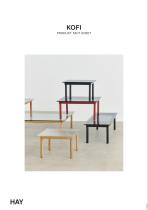
PRODUCT FACT SHEET
Open the catalog to page 1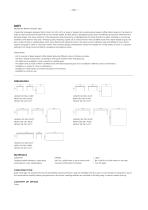
DESIGN BY MARTIN SOLEM, 2021 Created by Norwegian designer Martin Solem for HAY, Kofi is a range of elegant and versatile glass-topped coffee tables. Based on the desire to make a clean and functional table with an eco-friendly profile, the Kofi series is developed using clever and efficient production methods with a flat-pack design. The clean simplicity of the dimensions and proportions is highlighted by the close attention to detail, resulting in uncluttered aesthetics with distinct lines and a timeless quality. Featuring a solid oak or walnut frame in FSC-certified wood with a water-based...
Open the catalog to page 2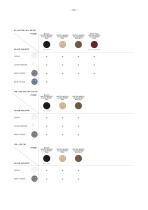
GLASS TABLETOP BLACK WATER-BASED LACQUERED OAK WATER-BASED LACQUERED WALNUT BARN RED WATER-BASED LACQUERED OAK CLEAR REEDED GREY TINTED BLUE TINTED WATER-BASED LACQUERED WALNUT GLASS TABLETOP BLACK WATER-BASED LACQUERED OAK CLEAR REEDED GREY TINTED BLACK WATER-BASED LACQUERED OAK WATER-BASED LACQUERED WALNUT GLASS TABLETO
Open the catalog to page 3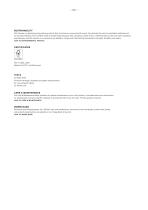
SUSTAINABILITY HAY focuses on developing long-lasting products that minimise our environmental impact. We optimise the use of sustainable materials such as recycled materials, FSC-certified wood and water-based lacquer, with a growing number of eco-certified products. We have strict regulatory requirements, and the majority of our products are tested to comply with international standards for strength, durability and safety. LINK TO ENVIRONMENTAL PROFILE FSC™ LABEL 100% Made from FSC™-certified wood. TESTS EN 15372: 2016 Furniture–Strength, durability and safety–Requirements for non-domestic...
Open the catalog to page 4All Hay a/s catalogs and technical brochures
 Lighting Collection HAY
159 Pages
 QUILTON
21 Pages
 AAC 155 SOFT
3 Pages
 NEW ORDER HIGH TABLE
6 Pages
 ARBOUR PRODUCT FACT SHEET
4 Pages
 HAY ACCESSORIES 2018
89 Pages
 RESULT CHAIR and PYRAMID TABLE
50 Pages
 HAY Mags module overview
6 Pages
 Palissade Presentation
16 Pages
 HAY New Order Workspace Elements
43 Pages
 WH Catalogue 2015
29 Pages
 WH Lighting Brochure 2015
16 Pages
 HAY acc catalogue
27 Pages
 WRONG FOR HAY
35 Pages
 Hay catalogue 2013 2nd edition
51 Pages
 MAGS SOFA
6 Pages
 MAGS SOFT SOFA
6 Pages
 NEW ORDER BY STEFAN DIEZ
25 Pages
 COPENHAGUE Catalogue 2013
29 Pages
 Hay Catalog
56 Pages
Archived catalogs
 HAY catalogue 2009
60 Pages
 HAY catalogue 2010
28 Pages
 HAY catalogue 2008
57 Pages
 HAY accessories catalogue 2008
96 Pages
 HAY cataloque 2006
42 Pages