

FARLEGGERO

FARLEGGERO
The document explores the concept of 'lightness' in contemporary design, emphasizing its significance across physical, cultural, and philosophical dimensions. It highlights the association of lightness with mental well-being and eco-friendly design practices, advocating for reduced material usage and energy consumption.
The history of industrial design is traced back to the Great Exhibition of 1851, showcasing the evolution of lightweight structures. Significant design innovations, such as Buckminster Fuller's Dymaxion House, exemplify efficient use of materials and energy. The role of aluminum in lightweight structures, like the Zeppelin and Airstream trailers, is highlighted.
The text delves into advancements in materials like carbon fibers and polymers, which have revolutionized sectors such as sports equipment and aeronautics. It stresses the importance of using sustainable materials and techniques to minimize environmental impact.
The document discusses the impact of lightness on architecture and economic systems, advocating for minimal and flexible living and working spaces. It draws parallels between the challenges of achieving lightness in design and maintaining a balanced diet.
Lightness is portrayed as a mental and physical ideal, encouraging a shift towards sustainable and innovative design practices. The document concludes by reflecting on the cultural and philosophical implications of lightness, as articulated by figures like Italo Calvino.
The document discusses the evolution of design, focusing on the concept of lightness in both physical and philosophical terms. It highlights how technological advancements have transformed physical objects into digital entities, creating a desire for tangible experiences. The Laleggera chair by Riccardo Blumer exemplifies this by combining visual lightness with traditional materials.
The text explores the history and fascination with blimps, "lighter than air" vehicles, which were once considered viable alternatives to airplanes. Despite their decline, blimps remain a symbol of slow, ecological flight. The document details the technical structure of blimps, including their gas-filled casings and propulsion systems.
Ferdinand von Zeppelin is highlighted as a pivotal figure in the development of blimps, with his designs leading to significant models like the LZ 127 Graf Zeppelin and the LZ 129 Hindenburg. The transition from hydrogen to helium in modern blimps is noted as a safety improvement.
The document reflects on the cultural impact of blimps, describing their majestic presence and the serene experience of flying in them. It suggests that modern technological development should draw inspiration from the sustainable and deliberate pace embodied by blimps.
The document also touches on contemporary design, referencing Tom Dixon's "Lightweight" collection, which continues the theme of lightness in modern design.
The document discusses the innovative work of R. Buckminster Fuller in the field of architecture, particularly his development of geodesic domes. These structures are noted for their efficiency, strength, and aerodynamic properties, making them ideal for various applications such as suburban houses, emergency shelters, and exhibition pavilions.
Fuller's method of decomposing a sphere into tetrahedrons is highlighted as a significant discovery, leading to his tenure at prestigious institutions. This method allows for the creation of strong, lightweight structures with minimal material use.
Fuller's work extended beyond architecture into solving broader economic, social, and ecological issues. His visionary ideas included floating living units designed to alleviate urban congestion.
The document explores the evolution of materials science, emphasizing the importance of lightweight and strong materials. It discusses the use of composite materials, such as polymer matrices reinforced with fibers, and the development of materials like Aerogel and honeycomb aluminum for their superior strength-to-weight ratios.
The concept of sustainable lightness is explored, highlighting the balance between material strength and weight. The document references historical perspectives on material science, including the works of Titus Lucretius Carus and John Dalton, and discusses modern advancements in nanomaterials.
The document concludes with reflections on the future of materials science, emphasizing the potential of nanotechnology to revolutionize material properties and applications.
The document discusses the challenge of achieving both lightness and resistance in material design. It highlights the correlation between material density and mechanical resistance, using examples like cast iron, steel, and plastic.
To enhance the properties of polymers, fibers from more resistant materials are used, leading to polymer-matrix composites. These composites can be isotropic or anisotropic, depending on fiber distribution, significantly improving the elastic module.
The introduction of foams and aerogels has allowed traditionally heavy materials to become lighter while maintaining or improving mechanical properties. Examples include floating concrete and aerogel, which offer superior thermal insulation and resistance.
Aluminum is now available in honeycomb forms, providing a material that is ten times more resistant and significantly lighter, making it ideal for the automotive industry.
The focus on lightweight, resistant, and insulating materials is driven by energy savings. Nano-materials, with their potential for significant mechanical property improvements, represent a future technological leap.
The document concludes with philosophical reflections on the balance between lightness and weight, referencing works by Milan Kundera and Italo Calvino, and emphasizing the role of science in overcoming material challenges.
The document includes insights from designers Luca Nichetto and Gianpietro Gai, discussing their collaboration with Foscarini and the evolution of their design projects, emphasizing the importance of research, instinct, and perseverance in design.
The document discusses the concept of 'Mobiles,' a term coined to describe artworks that are both mobile and motif-like. These creations are characterized by their lightness and the dynamic interplay of lines and colors, creating a magical and ever-changing spatial composition. The text references Calder's perspective on the unconventional nature of these artworks, which defy traditional sculpture norms.
Born in Turin in 1963, Barbero is an Associate Curator at the Guggenheim Collection. He is known for organizing contemporary art exhibitions and has curated shows for artists like Lucio Fontana. He has collaborated with Peter Greenaway on exhibitions, including one for the Venice Biennale.
Cavandoli, born in 1920, created 'The Line,' a famous animated character known for its simplicity and humor. This character gained popularity through commercials for Lagostina and has been featured in numerous films distributed globally. Cavandoli's work explores the relationship between light and lightness.
The document emphasizes the contemporary appeal of 'lightness' in design, both physically and philosophically. It highlights the trend towards minimalism and eco-friendly design, where reducing material usage aligns with sustainable practices. This approach is seen as fitting for modern living and working spaces, promoting flexibility and efficiency.
The document includes production details, credits for photography, and mentions the ISO 9001 certification of Foscarini, the company associated with the publication. It also notes the editorial and graphic contributions to the document.
Catalog excerpts
LIGHT LEGGERO. LA PAROLA È DI GRAN FASCINO Al GIORNI NOSTRI, DA OUALUNOUE PUNTO DI VISTA LA SI VOGLIA INTENDERE; IN SENSO FISICO, CULTURALE OPPURE FILOSOFICO. I SIGNIFICATI SI CONFONDONO, PER CUI PENSANDO AL CORPO UMANO - AD ESEMPIO - STARE IN FORMA (TENDENZIALMENTE LEGGERI), FINISCE PER VOLER DIRE BENESSERE MENTALE. E ALLORA ECCO LA VALANGA DI PRODOTTI LI G HTETIC HETTATI : CIBI E BEVANDE, DISPENSATORI DI SALVIFICHE VIRTÙ DIETETICO-ALIMENTARI. DOPO/ASSIEME AL CORPO ARRIVA LA MENTE, ANCH'ESSA BISOGNOSA DI PULIZIA DA "PESI" ESISTENZIALI E D'OGNI ALTRO GENERE. ABBANDONANDO IN FRETTA IMPROPRIE E...
Open the catalog to page 3
LIGHT. THE WORD EXERCISES A POWERFUL ATTRACTION THESE DAYS, NO MATTER HOW YOU LOOK AT IT; WHETHER IN A PHYSICAL, CULTURAL OR PHILOSOPHICAL SENSE. ITS MEANINGS OVERLAP, SO THAT IN RELATION TO THE HUMAN BODY, FOR INSTANCE, TO BE IN SHAPE (TENDING TO LIGHTNESS), ENDS UP SIGNIFYING MENTAL WELL-BEING. THERE IS A FLOOD OF PRODUCTS ON THE MARKET LABELED "LIGHT": FOOD AND BEVERAGES, DISPENSERS OF MIRACULOUS DIETARY AND NUTRITIONAL VIRTUES. WITH AND AFTER THE BODY COMES THE MIND, WHICH ALSO NEEDS TO BE "LIGHTENED" OF ITS EXISTENTIAL LEAVING ASIDE IMPROPER AND ABSTRUSE CONSIDERATIONS, WITH WHICH WE ARE...
Open the catalog to page 4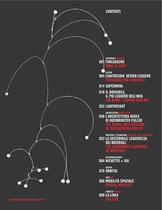
MACCHINA INUTILE, BRUNO MUNARI, 1948 004 LIGHTDESIGN. DESIGN LEGGERO THE BLIMP, "LIGHTER THAN AIR" ARCHITETTURA ARCHITECTURE MATERIALI E TECNOLOGIE MATERIALS AND Tl SPATIAL MOBILITY
Open the catalog to page 5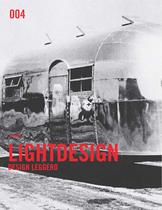
004 DESIGN LIGHTDESIGN DESIGN LEGGERO
Open the catalog to page 6
LIGHTDESIGN. DESIGN LEGGERO La Great Exhibition di Londra nel 1851 segna, convenzionalmente, l'inizio della storia della progettazione per l'industria. La prima mostra universale di artefatti prodotti dalla meccanizzazione è ospitata al Crystal Palace, una gigantesca "serra" di ferro e vetro concepita da Joseph Paxton. Un edifìcio talmente leggero da far predire ai contemporanei il crollo dell'essenza propria dell'architettura: il radicamento alla terra, la sua materialità. Oggetto esso stesso, costruito da pezzi standardizzati prefabbricati, contiene tra l'altro Ì prodotti generati con le nuove...
Open the catalog to page 8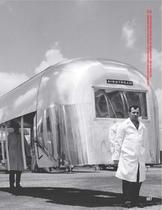
007 STABILIMENTO AIRSTREAM: DIMOSTRAZIONE DELLA CARROZZERIA LEGGERA AIRSTREAM. 1965 AIRSTREAM FACTORY: DEMONSTRATING THE LIGHT-WEIGHT AIRSTREAM BODY. 1965
Open the catalog to page 9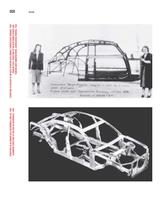
STRUTTURA IN ALLUMINIO DELL’AUTOMOBILE AUDI A8, 1994 ALUMINUM STRUCTURE OF AN AUDI A8 AUTOMOBILE, 1994 STRUTTURA IN ACCIAIO DI UN’AUTO SPORTIVA ALFA-ROMEO, CARROZZERIA TOURING, 1936 TUBULAR STEEL STRUCTURE OF AN ALFA ROMEO SPORTS CAR, TOURING BODY MANUFACTURER, CARROZZERIA TOURING, 1936 008 DESIGN
Open the catalog to page 10
scocche rivettate degli Airstream americani, "case viaggianti" nate negli anni trenta simbolo dell'abitare nomade statunitense; per il sistema Superleggera, telaio tubolare brevettato prodotto dalla carrozzeria Touring di Milano alla fine dello stesso decennio. Fino ai più recenti studi sulla riduzione delle masse combinata a rigidità e sicurezza, sviluppati — solo per fare un esempio — nelle Audi dai primi anni ottanta: del 1994 il modello A8, prima berlina di serie con telaio, motore, carrozzeria e sospensioni eseguiti con largo impiego di alluminio. Più Ín generale, numerose sedute esemplificano...
Open the catalog to page 11
The Great Exhibition Ín London Ín 1851 conventionally marks the beginning of the history of industrial design. The first universal exposition of artifacts produced with mechanized means was held Ín the Crystal Palace, a giant glass and steel "greenhouse" conceived by Joseph Paxton. A building that was so light as to make his contemporaries predict that the very essence of architecture would collapse: its contact with the earth, its material nature. It was an object Ín itself, built out of standardized prefabricated parts, and it housed the products generated by new technologies. Perhaps this...
Open the catalog to page 12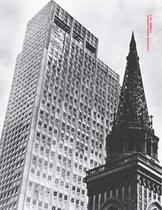
011 ALCOA BUILDING. HARRISON & ABRAMOVITZ, PITTSBURGH, 1950-53
Open the catalog to page 13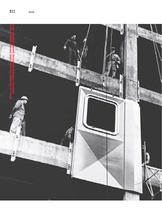
SISTEMA A FACCIATA CONTINUA DELLA ALCOA BUILDING. HARRISON & ABRAMOVITZ. 1950-53 CURTAIN-WALL SYSTEM OF THE ALCOA BUILDING, HARRISON & ABRAMOVITZ. 1950-53 012 DESIGN
Open the catalog to page 14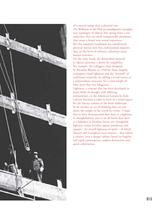
of a mental image than a physical one. The Walkman or the ÌPod are paradigmatic examples: new typologies of objects that spring from a size reduction, they are small transportable prostheses that create a brand new sound experience. But the computer revolution has transformed physical entities into bits, infinitesimal impulses that, Ín the form of software, substitute many human activities. On the other hand, the diminished material Ín objects provokes a desire for tangibility. For example, the Laleggera chair designed by Riccardo Blumer Ín 1998 for Alias, happily conjugates visual lightness...
Open the catalog to page 15
FERRUCCIO LAVIA
Open the catalog to page 16
018 DESIGN IL DIRIGIBILE, IL PIÙ LEGGERO D
Open the catalog to page 20
DESIGN THE BLIMP, “LIGHTER THAN AIR” English text p. 26 ELL’ARIA
Open the catalog to page 21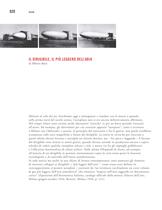
IL DIRIGIBILE, IL PIÙ LEGGERO DELL'ARIA Abituati al volo dei jet, fatichiamo oggi a immaginare e riandare con la mente a quando, nella prima metà del secolo scorso, l'aeroplano non si era ancora definitivamente affermato. Nel tempo infatti sono esistite anche alternative "eretiche" (e per un breve periodo vincenti) all'aereo. Ad esempio, gli idrovolanti per cui costruire appositi "aeroporti", come è avvenuto a Milano con l'Idroscalo; e ancora, al principio del novecento e fra le guerre, non pochi avrebbero scommesso sulle sorti magnifiche e future dei dirigibili. La storia Ín verità ha poi riservato...
Open the catalog to page 22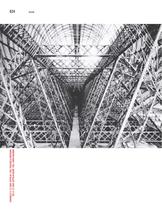
DIRIGIBILE LZ 127 GRAF ZEPPELIN, 1928, PASSERELLA INFERIORE THE LZ 127 GRAF ZEPPELIN BLIMP, 1928, LOWER WALKWAY 024 DESIGN
Open the catalog to page 26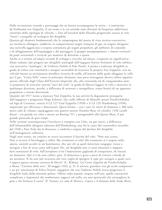
Dalle avventurose vicende e personaggi che ne hanno accompagnato la storia — a cominciare da Ferdinand von Zeppelin, il cui nome e la cui azienda sono divenuti di frequente addirittura sinonimo della tipologia di velivolo —, fino all'attualità della filosofìa progettuale sottesa al volo "lento", tranquillo ed ecologico del dirigibile. Quattro gli elementi fondamentali che lo compongono dal punto di vista tecnico-costruttivo: un involucro allungato, suddiviso Ín compartimenti stagni riempito di gas, Ín origine idrogeno; una navicella agganciata o sospesa contenente gli organi propulsori, gli ambienti...
Open the catalog to page 27All FOSCARINI catalogs and technical brochures
 eu-en-sos-caboche
8 Pages
 eu-en-pa-caboche
7 Pages
 eu-en-pa-bahia-mini
4 Pages
 eu-en-sof-twiggy
4 Pages
 eu-en-sof-caboche
6 Pages
 eu-en-out-gregg-terra
5 Pages
 eu-en-out-havana-terra
5 Pages
 eu-en-sos-le-soleil
5 Pages
 eu-en-sos-gregg
8 Pages
 eu-en-sos-spokes-1
5 Pages
 eu-en-te-twiggy
5 Pages
 eu-en-out-solar
4 Pages
 News April 2019
52 Pages
 Mix&Match, News September 2019
29 Pages
 MyLight
16 Pages
 Outdoor, News January 2018
84 Pages
 Twiggy Grid XL
4 Pages
 Superficie
4 Pages
 KURAGE
3 Pages
 BUDS TAVOLO
3 Pages
 Caiigo
3 Pages
 Twice as Twiggy, suspension
3 Pages
 Lumiere XXL+XXS
3 Pages
 Twice as Twiggy
3 Pages
 Buds
Buds3 Pages
 outdoor libretto
36 Pages
 FOSCARINI NEWS SEPT 2015
27 Pages
 NEWS APRILE
27 Pages
 AMBIENTI
117 Pages
 NEWS SETTEMBRE 2016
17 Pages
 PANORAMICA
73 Pages
 NUOVO idee du luce
27 Pages
 BLOB
BLOB2 Pages
 BIT
BIT2 Pages
 BIRDIE+1X+Soffitto-Ceiling
2 Pages
 Foscarini-COLLEZIONI
199 Pages
 Foscarini_News_2016
27 Pages
 Tartan
3 Pages
 Bahia mini wall
3 Pages
 tite
tite4 Pages
 Chouchin
5 Pages
 Plass media
3 Pages
 Spokes
3 Pages
 New Buds
4 Pages
 BIG BANG
8 Pages
 LUMIERE
8 Pages
 BEHIVE
8 Pages
 MITE
MITE12 Pages
 STEWIE
8 Pages
 OSPACE
8 Pages
 ALLEGRO
8 Pages
 SUPERNOVA
8 Pages
 GREGG
GREGG8 Pages
 CABOCHE
12 Pages
 TWIGGY
12 Pages
 TROPICO
12 Pages
 HAVANA
8 Pages
 UTO
UTO8 Pages
 MAGNETO
8 Pages
 YOKO
YOKO8 Pages
 PLASS
PLASS12 Pages


Archived catalogs
 DOLL
DOLL12 Pages
 BOOK 2014
340 Pages
 RITUALS
8 Pages
 LED COLLECTION
21 Pages
 ANISHA
8 Pages
 JAMAICA
8 Pages
 BINIC
BINIC12 Pages
 NEWS 04 2014
52 Pages
 eu-en-out-gregg-sospensione
5 Pages
 YOKO TABLE
3 Pages
 STEWIE FLOOR
3 Pages
 DOLL
DOLL16 Pages
 NEWS 01- 2013
28 Pages
 NEWS 04- 2013
36 Pages
 WORKS 2013
106 Pages
 BOOK 2013
165 Pages
 COMPANY PROFILE
27 Pages
 NEWS 04 - 2012
28 Pages
 APLOMB
5 Pages
 BINIC
BINIC9 Pages
 WORKS 11
80 Pages
 NEWS 01 - 2011
11 Pages
 NEWS 04 - 2011
33 Pages
 BOOK 11
219 Pages
 NEWS 09 - 2011
15 Pages
 NEWS 01 - 2012
21 Pages
 FOSCARINI EVOLUTION
2 Pages
 TRASPARENZA
106 Pages
 LIGHT & SOUND
130 Pages
 LUX
LUX130 Pages
 COLORE
111 Pages
 LAMPADE E LAMPADINE
100 Pages
 MATERIA E NON MATERIA
39 Pages
 VISIBILE E INVISIBILE
68 Pages
 ANISHA
2 Pages