


- Company
- Products
- Catalogs
- News & Trends
- Exhibitions
PROVENZA GENERAL CATALOGUE 2026
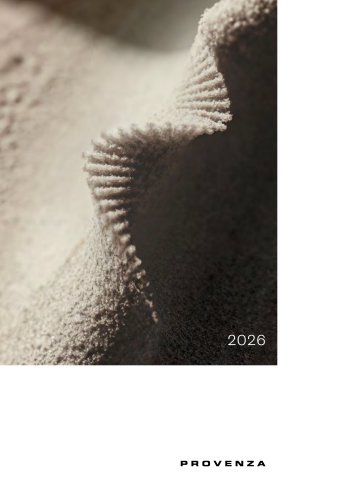
PROVENZA GENERAL CATALOGUE 2026
Emilgroup, established in 1961, is a prominent leader in the ceramics industry, renowned for its high-quality porcelain stoneware products under brands like Emilceramica, Ergon, Provenza, and Level. The company is committed to excellence and innovation, maintaining a strong reputation as a reliable partner.
The R&D department at Emilceramica integrates technology and creativity to produce unique products. Utilizing high-definition sensors and advanced digital printing technologies, the focus is on creating aesthetically pleasing and innovative designs that reflect Italian quality and style.
Emilgroup's Integrated Management System encompasses Quality, Environment, Energy, and Occupational Health and Safety, earning the "GOLD EXCELLENCE AWARD" for management excellence. This system ensures high standards throughout the product lifecycle, enhancing competitiveness and ensuring safe, high-quality, and environmentally friendly products.
Certified under ISO 9001 since 1997, Emilgroup prioritizes customer satisfaction through innovative and reliable products. The quality process begins with selecting premium raw materials and involves cutting-edge design and strict production standards.
Emilgroup complies with ISO 45001, involving workers in safety management and continuous training, exceeding legal requirements to ensure a safe working environment.
Certified under ISO 14001 since 2011, Emilgroup focuses on reducing environmental impact through a closed water cycle, recycling waste, and using water-based inks, while monitoring emissions to stay below authorized limits.
Certified under ISO 50001 since 2016, Emilgroup is committed to responsible energy use, employing continuous consumption monitoring, production plant improvements, and energy self-production through cogeneration.
Emilgroup is committed to sustainable construction by improving production processes, ensuring product healthiness, and safeguarding worker safety. The company supports local communities and adheres to environmental standards.
Emilgroup is a member of the US Green Building Council and Green Building Council Italia, promoting sustainable construction principles. Their products contribute to LEED credits in areas like Materials and Resources, Sustainable Sites, and Environmental Quality.
Products are made according to CAM, which sets sustainability standards for construction materials in public works, focusing on reducing water consumption and emissions.
Since 2012, Emilgroup has used LCA to assess environmental impacts throughout product life cycles. Results are published in the EPD, contributing to LEED credits.
Raw materials are sourced from authorized quarries with environmental remediation plans, reducing the need for virgin material extraction.
Emilgroup incorporates recycled materials into products, supporting a circular economy and earning LEED credits.
Since 2016, Emilgroup has published HPDs to disclose product chemical compositions, aiding in LEED credit acquisition.
Products meet stringent VOC emission standards, contributing to healthier environments and LEED credits.
Emilgroup's products are "Red List Free," containing no harmful chemicals, supporting eco-friendly construction.
Emilgroup uses recyclable materials for packaging and is a member of various recycling consortia, promoting sustainable waste management.
Emilgroup combines craftsmanship with innovation to create high-quality ceramic products, emphasizing tradition and creativity.
The document provides detailed specifications for various tile formats and finishes, including dimensions, thickness, and surface characteristics. The tiles are categorized under 'Naturale R10' and 'Naturale R11' finishes, with specific slip resistance ratings according to DIN EN 16165 standards. The document also includes information on special trims available upon request, adhering to EN 14411:2016 standards.
Recommendations for tile installation include laying with a 2 mm joint and checking color matching between different sizes. The document emphasizes the importance of verifying tonal consistency across formats to ensure aesthetic uniformity.
The tiles comply with EN 14411:2016, ensuring they have the same surface characteristics as the plain tiles. Slip resistance is measured using various standards, including DCOF, B.C.R.A., and Pendolo tests, indicating moderate to low slip potential.
It is recommended to use a 2 mm joint during installation and to verify color matching between different tile sizes. Special trims are available on request, and the document advises checking the compatibility of tones across different formats.
The tables provide detailed information on tile dimensions, packaging, and weight. For example, the 60x120 Naturale R10 tile has a thickness of 9.5 mm, with 1.39 sqm per box and a total weight of 1140 kg per pallet. The document also lists various color options and price bands for different tile sizes and finishes.
The document outlines various tile formats and finishes, including Naturale R10 and R11, and Silktech R10 and R11. Sizes range from 30x30 cm to 90x180 cm, with thicknesses of 9 mm to 20 mm. The tiles are available in multiple colors such as White, Sand, Grey, Dark Grey, Anthracite, and Verdigris.
Tiles come in different finishes like Naturale, Silktech, and Full Lappato. The Naturale finish is available in R10 and R11 slip resistance ratings, suitable for both indoor and outdoor use. Silktech technology offers a silky touch with high anti-slip performance.
The document specifies slip resistance ratings according to DIN EN 16165, AS 4586, and BS 7976 standards. Naturale R10 has a moderate slip potential, while R11 offers low slip potential, making it ideal for outdoor areas.
It is recommended to lay tiles with a 2 mm joint. The document advises checking color matching between different sizes to ensure consistency.
Special trims and pieces are available, including stair treads and corner tiles, which comply with EN 14411:2016 standards. These trims maintain the same surface characteristics as the main tiles.
Details on packing and weight are provided, with specifics on pieces per square meter, box, and pallet. The document includes weight per box and pallet for various tile sizes.
The tiles are suitable for both public and private spaces, with specific recommendations for outdoor use due to their anti-slip properties.
The Project Division of Emilgroup specializes in supporting clients with complex projects where porcelain stoneware is used differently than traditional flooring or wall cladding. This division excels in managing the supply of raised floors, external cladding, and particularly ventilated facades, from design to installation for buildings of various sizes. Their expertise ensures aesthetic and project needs are met while guaranteeing safety and durability.
Ventilated facades are a type of external cladding offering benefits such as aesthetic variety, energy efficiency, easy maintenance, long-term durability, and the use of recyclable materials. Installation involves a dry application of an aluminum substructure, followed by insulating panels for enhanced energy efficiency. Porcelain stoneware slabs are then installed using visible or concealed fixing systems. These slabs come in various sizes and finishes, including custom options, adhering to client needs and regulations.
1. Precision brackets for facade structure mounting.
2. Aluminum facade structure.
3. Continuous insulating layer on the building's exterior wall.
4. Ventilation cavity.
5. Fixing elements for porcelain stoneware slabs.
6. Porcelain stoneware slab.
- Energy savings
- Soundproofing
- Flame-retardant cladding
- Protection from damp and accidental seepage
- Maximum freedom of composition in finishes and sizes
- Suitable for new builds and renovations
- Lightweight, reducing stress on buildings
- Quick, economical installation
- Aesthetic enhancement of buildings
- Durability over time
- Elimination of cold bridges
- Internal comfort
The document provides various installation suggestions with different tile sizes and compositions to suit diverse aesthetic and functional requirements.
Various types of ceramic tiles and special pieces are described, including skirting, steps, L-shaped pieces, corner tiles, and stair treads. These pieces are designed for specific applications and are assembled using high-reactivity thixotropic adhesives to ensure ease of installation and long-term durability.
The document outlines the classification and standards for ceramic tiles, referencing ISO 13006 and EN 14411. These standards classify tiles based on molding methods and water absorption, defining characteristics for first-grade tiles. The CE mark is mandatory for tiles within the EU, ensuring safety requirements are met according to the intended use. Emilceramica products comply with these standards, undergoing initial and periodic testing as per UNI EN 14411.
Ceramic tiles are classified into groups based on forming methods and water absorption. Group A includes extruded tiles, while Group B consists of dry-pressed tiles. Each group has specific characteristics and requirements as per the standards.
For step tiles and L-shaped edging tiles, proper filling of the back is crucial for durability. The document advises filling up to 3/4 of the length to ensure drainage and stability.
The document provides technical specifications for water absorption and other features, compliant with UNI EN ISO 10545/3 and ASTM C373 standards. These specifications ensure the tiles meet the necessary quality and performance criteria.
The document outlines various technical specifications for ceramic products, including flexural strength, breaking strength, frost resistance, chemical resistance, stain resistance, and slip resistance. These specifications are measured according to standards such as UNI EN ISO 10545 and ASTM, with specific values provided for different thicknesses ranging from 6.5 mm to 20 mm.
The document details several certifications that the ceramic products have obtained, including GREENGUARD, MOCA, CCC, and QB-UPEC. These certifications ensure compliance with health, safety, and environmental standards. GREENGUARD certification focuses on low emissions of volatile organic compounds (VOCs), while MOCA certification ensures suitability for contact with food. CCC certification is mandatory for exporting porcelain tiles to China, and QB-UPEC certification relates to the quality and durability of floor tiles.
The document emphasizes the importance of environmental and health considerations in the production and certification of ceramic products. GREENGUARD and GREENGUARD Gold certifications are highlighted for their role in promoting healthier indoor environments by limiting VOC emissions. The mindful MATERIALS Library is mentioned as a resource for accessing information on building materials that consider human health and environmental impacts.
The document discusses the "Ceramics of Italy" mark, which promotes Italian-made ceramic products and their associated social, environmental, and stylistic values. It also mentions the mindful MATERIALS Library initiative, which aims to provide transparency and optimized information on building materials for industry professionals.
The document discusses various certifications obtained by Emilgroup for their ceramic products, emphasizing their commitment to environmental protection and consumer safety. The MOCA certification ensures that their ceramic tiles are safe for contact with food, making them suitable for use in environments with strict hygiene regulations such as schools, restaurants, and hospitals. The CCC certification is mandatory for exporting porcelain tiles to China, focusing on user safety and health.
The Centre Scientifique et Technique du Bâtiment (CSTB) has introduced the QB certification mark to simplify the current certification landscape in the construction sector. This mark replaces previous certifications like CSTBat and UPEC, aiming to enhance the visibility of quality, performance, and reliability benchmarks. The QB-UPEC classification indicates the suitability and durability of products for specific uses.
The GREENGUARD certification process involves rigorous testing of products for chemical emissions, including volatile organic compounds (VOCs). Products certified under GREENGUARD contribute to healthier indoor environments by emitting fewer pollutants. The GREENGUARD Gold standard sets even stricter limits, ensuring products are safe for use in sensitive environments like schools and healthcare facilities.
The mindful MATERIALS Library is an initiative aimed at promoting transparency and providing comprehensive information about construction materials. It supports industry professionals in selecting materials that meet environmental and health standards, thereby aiding in the creation of sustainable buildings.
The "Ceramics of Italy" brand represents the Italian ceramic industry's commitment to social, ecological, and aesthetic values. It highlights Italy's rich ceramic tradition and its adaptation to modern industrial production, emphasizing high production quality.
Quick and thorough initial cleaning is crucial for all ceramic tiles to ensure easy daily maintenance. Failure to do so may result in smears that are difficult to remove. For cement-based grouts, clean within 48 hours, and for latex or epoxy resins, clean immediately. Use acid-based products, applying a 10-20% solution, wait 7-10 minutes, scrub vigorously, and rinse thoroughly with water.
Emilceramica products are environmentally friendly and easy to maintain. Regular cleaning with neutral or degreasing detergents diluted in hot water is recommended. Do not leave dirt on the floor for extended periods, and always rinse with clean water.
For stains from specific substances, use professional alkaline detergents. Wash with water to remove surface dirt, apply a 3% alkaline solution, and wait 7-10 minutes. For tough stains, increase the detergent concentration and use dry powder soap for added abrasiveness.
To prevent scratches from hard substances like sand and gravel, remove packaging only before installation, avoid stacking unwrapped materials, and do not walk on surfaces during installation. Clean thoroughly and cover surfaces until work is complete.
After laying and cleaning, protect the floor with cardboard to prevent damage during finishing works.
Cleaning of epoxy and latex surfaces must be performed quickly to prevent hardening, which makes residue removal difficult. Acidic cleaning products are recommended. The cleaning procedure involves applying a diluted acidic solution (10-20%) on the surface, waiting 7-10 minutes, and then cleaning with mechanical action using appropriate tools. Neutralize the acid with thorough rinsing, preferably with hot water, to remove all residues. For structured or anti-slip products, perform acid washing promptly after installation. Test on a spare tile before full application.
After installation and cleaning, protect the flooring from damage during construction by covering it with adequately thick cardboard.
Emilceramica products are easy to maintain. Regular cleaning should be adapted to the intended use. Do not leave dirt on the floor for long periods. Clean regularly with neutral or degreasing detergents diluted in warm water, and rinse with clean water.
Extraordinary maintenance is necessary for accidental stains or dirt from special substances. Use professional alkaline-based detergents specific to the type of dirt. Wash the floor with water to remove surface dirt, apply a 3% alkaline solution, wait 7-10 minutes, and increase detergent concentration if needed.
Sand, gravel, and hard materials can scratch floors made of natural stone, wood, vinyl, or porcelain stoneware. Do not unpack materials until installation, avoid stacking or moving unpacked materials, and do not walk on surfaces during installation. Clean thoroughly and cover surfaces until work is complete.
Full Lappato porcelain stoneware should be installed by skilled professionals. Check for defects before installation, handle tiles carefully, and avoid dragging objects across the floor to prevent scratches. Document the floor condition with photos before covering it with protective layers.
Be cautious when using acids or chemicals, and follow manufacturer instructions. Start with diluted solutions and increase concentration if stains persist.
- Inspect materials for defects before installation. Complaints are not accepted for installed or misused materials.
- Handle tiles carefully to avoid scratches, especially for sizes over 60x60 cm, which require two people.
- Avoid dragging objects over tiles during installation to prevent scratches.
- Photograph the floor before covering it with a protective layer.
- Ensure no pebbles or glass are trapped in shoe soles during installation.
- Use appropriate levellers and guards to prevent scratches during levelling.
- Install dirt barriers if the floor has direct access to outdoor areas.
- Apply protective pads under furniture to prevent scratches after installation.
- Perform thorough initial cleaning to ensure easy daily maintenance.
- Remove cement and grout residues within 48 hours for cement-based grouts, and immediately for latex or epoxy grouts.
- Use acid-based products for cleaning, applying a 10-20% solution.
- Scrub vigorously and rinse thoroughly with hot water to remove all acid residues.
- Vacuum and clean the floor to remove all residues before applying protection.
- Cover the floor with felt matting or waterproof sheeting, secured with adhesive tape.
- Add a layer of corrugated cardboard on top, also secured with tape.
- Do not remove protective layers until construction is complete.
Emilceramica does not guarantee products if maintenance guidelines are not followed.
The document outlines the obligations of the Buyer and Seller under the contract, emphasizing compliance with ethical codes and legal regulations. The Buyer must report any potential criminal activities to the Seller's Supervisory Body. Breaches of specific articles allow the Seller to terminate the contract immediately under Italian Civil Code art. 1456. The Buyer must also ensure compliance with international sanctions and export control laws.
Both parties agree to adhere to the GDPR and relevant Italian privacy laws. Personal data will be processed strictly for contract execution purposes, with each party acting as an autonomous Data Controller.
The Seller can terminate the contract if the Buyer fails to meet obligations or is in material breach. Immediate withdrawal is possible if the Buyer faces financial instability or changes in ownership.
The Seller retains ownership of products until full payment is received. The Buyer must use the products appropriately and cannot transfer ownership without Seller's consent.
The contract is governed by Italian law, with disputes resolved in the Court of Modena. The Seller may choose to pursue legal action in the Buyer's jurisdiction.
The Buyer can use the Seller's trademarks for product identification and advertising, but must cease use upon contract termination. Unauthorized use or registration of trademarks is prohibited.
Invalidity of any provision does not affect the rest of the terms. Amendments to the terms must be in writing by the Seller.
The seller reserves the right to apply late payment interest as per Italian Legislative Decree No. 231 of 2002, in addition to other legal remedies.
The seller guarantees the products to be free from defects for 12 months from delivery, limited to first-choice products with a defect rate not exceeding 5%. Claims must be made before installation, and the warranty excludes improper use or alteration by the buyer.
The seller may suspend or terminate the contract if performance becomes impossible due to unforeseen events beyond their control, such as strikes, accidents, or natural disasters.
The buyer must comply with applicable anti-corruption laws, including the U.S. Foreign Corrupt Practices Act. Violations may lead to contract termination.
Parties agree to comply with the EU General Data Protection Regulation (GDPR) and relevant Italian laws regarding personal data processing.
The seller can terminate the contract for non-compliance with specified obligations or if the buyer faces insolvency or significant financial distress.
The seller retains ownership of products until full payment is received. The buyer must use the products appropriately and cannot transfer ownership without the seller's consent.
The contract is governed by Italian law, with disputes subject to the exclusive jurisdiction of the Court of Modena.
The buyer may use the seller's trademarks only for product identification or advertising, with prior written consent required for other uses.
Invalidity of any provision does not affect the validity of the remaining terms. Amendments can only be made by the seller in writing.
Catalog excerpts
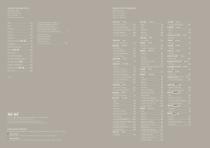
INDICE ALFABETICO Alphabetical index Index alphabétique Alphabetischen index Indice alfabético Алфавитный указатель Index by format Index selon le format Index nach format Índice por formato Индекс по формату Re-Play Concrete Salt Stone * Unique Bourgogne Unique Intensity Stone * Unique Marble Unique Travertine * Varana Stone Sistema Gestione Integrato Integrated Management System Système de gestion intégré Integriertes Management system Sistema de gestión integrado Интегрированная система менеджмента Sezione tecnica Technical information Section technique Technische Angaben Seccion técnica Технический...
Open the catalog to page 2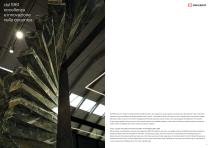
dal 1961 eccellenza e innovazione nella ceramica Dal 1961 siamo tra i leader mondiali nel settore della ceramica. Con passione e visione ideiamo, produciamo e distribuiamo in tutti i continenti materiali in gres porcellanato di qualità superlativa per 4 brand - Emilceramica, Ergon, Provenza e Level - perpetuando e rinnovando il meglio del Made in Italy. Curiamo fin nei minimi dettagli anche le fasi di assistenza e post vendita, certi che perseguire l’eccellenza e l’innovazione in ogni singolo aspetto del nostro lavoro sia la strada maestra per soddisfare appieno i nostri clienti e rafforzare...
Open the catalog to page 3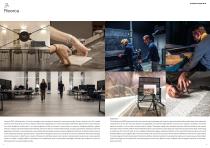
Il reparto R&D di Emilceramica è il centro nevralgico dove tecnologia e creatività si incontrano per dare forma a prodotti unici. Qui, materie ispirative provenienti da tutto il mondo vengono selezionate e digitalizzate con sensori ad altissima definizione. Ogni campione viene analizzato nei minimi dettagli per trasformarlo in una base progettuale solida e innovativa. Il team grafico si occupa di sviluppare grafiche e pattern esclusivi, capaci di valorizzare l’essenza del materiale, mentre, per decori e materie tridimensionali, un gruppo specializzato realizza strutture che aggiungono profondità....
Open the catalog to page 4
SISTEMA DI GESTIONE INTEGRATO QUALITÀ QUALITY Emilgroup eccelle nel settore ceramico anche grazie al proprio Sistema di Gestione Integrato aziendale in materia di Qualità, Ambiente, Energia, Salute e Sicurezza dei Lavoratori. Una prova tangibile dell’impegno massimo e costante che il gruppo dedica, con approccio proattivo a queste fondamentali tematiche garantendo l’assoluto rispetto degli standard più elevati in tutte le fasi del ciclo di vita del prodotto. Una gestione che consolida e accresce la competitività del gruppo sui mercati e permette all’azienda di valutare e definire le azioni da...
Open the catalog to page 5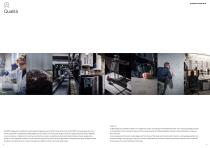
Nel 1997 Emilgroup ha certificato il proprio sistema di gestione per la QUALITÀ secondo la norma ISO 9001. Il principio guida di tutte le attività aziendali è la soddisfazione delle esigenze dei suoi clienti con prodotti dal design innovativo e dagli standard qualitativi affidabili, ottenuti attraverso il miglioramento continuo di prodotti e processi. La qualità parte dalla scelta delle materie prime più pregiate che, grazie ad una progettazione estetica e funzionale all’avanguardia, a impianti di ultima generazione, all’applicazione rigorosa degli standard produttivi, sono garanzia di un prodotto...
Open the catalog to page 6
Emilgroup oltre a rispettare scrupolosamente quanto previsto dallalegtstazione vigente, rafforza ed estende a 360° il proprio impegno in questo campo, attraverso i requisiti aggiuntivi previsti dal Sistema di Gestione per la Salute e la Sicurezza dei lavoratori certificate dal 2014 come BS OHSAS 18001 e ora passato alla versione internazionale ISO 45001. I lavoratori e i loro rappresentani sono coinvolti attivamente nel sistema di gestione con la segnalazione dei possibili miglioramenti, l'organizzazione delle squadre di emergenza, la formazione continua sui rischi e sull’uso dei dispositivi...
Open the catalog to page 7
Nel 2011 Emilgroup ha certificato il proprio sistema di gestione ambientale implementato secondo la norma ISO 14001. In un’ottica globale di “life cycle perspective”, l’azienda è quotidianamente impegnata nella definizione di prodotti e processi volti a ridurre l’impatto ambientale, adottando un approccio trasparente, collaborativo e previdente. • Già nel 1982 Emilgroup è stata una delle prime aziende del settore ad instaurare un ciclo chiuso delle acque. Tali acque provenienti dagli stabilimenti produttivi, dopo essere state depurate con trattamenti chimico-fisici vengono integralmente riciclate,...
Open the catalog to page 8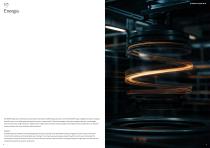
Nel 2016 Emilgroup ha certificato il proprio Sistema di Gestione dell’Energia secondo la norma ISO 50001, segno tangibile del proprio impegno quotidiano per un uso dell’energia consapevole, attento e responsabile. L’Azienda persegue il risparmio energetico grazie al monitoraggio continuo dei consumi, agli interventi di miglioramento sugli impianti produttivi, all’autoproduzione di energia tramite cogeneratore, al recupero di calore residuo che viene riutilizzato nella produzione. ENERGY In 2016 Emilgroup certified its Energy Management System according to the ISO 50001 standard, tangible proof...
Open the catalog to page 9
La politica aziendale di Emilgroup è da sempre basata sul rispetto dell’ambiente, della salute delle persone e del tessuto socio-economico in cui opera. Durante gli anni l’azienda si è impegnata a concretizzare i valori dell’edilizia sostenibile, con il costante miglioramento degli impatti del processo produttivo, l’attenzione alla salubrità del prodotto, la salvaguardia della salute e sicurezza di tutti i lavoratori, e non ultimo il sostegno alle persone e al territorio locale. ACCOUNTABILITY The Emilgroup corporate policy has always been based on respect for the environment, people’s health...
Open the catalog to page 10
EDILIZIA SOSTENIBILE SUSTAINABLE CONSTRUCTION LEED Emilgroup promuove i principi dell’edilizia sostenibile. Per questo dal 2008 è membro del Green Building Council americano (USGBC) e dal 2010 è socio del Green Building Coucil Italia (GBC Italia), dei quali recepisce e condivide i regolamenti, realizzando prodotti in accordo con i principi della certificazione LEED (Leadership in Energy and Environmental Design). La certificazione LEED valuta e attesta la sostenibilità ambientale, sociale ed economica degli edifici dalla fase di progettazione fino alla gestione quotidiana. Tutti i prodotti Emilgroup...
Open the catalog to page 11All EMILGROUP catalogs and technical brochures
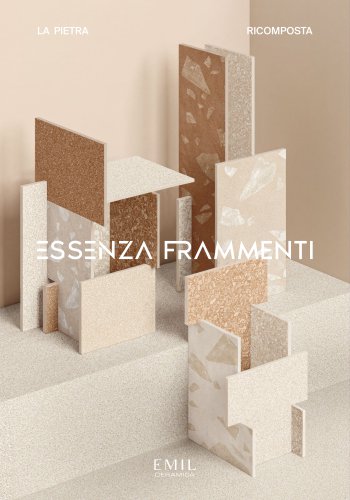 Essenza Frammenti 2026.09
13 Pages
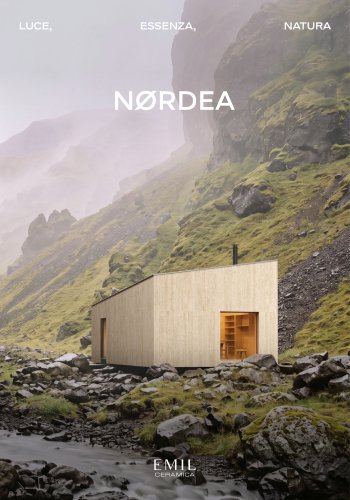 Nørdea 2026.09
11 Pages
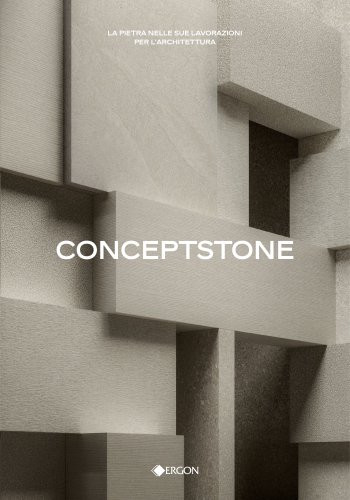 ConceptStone 2026.09
13 Pages
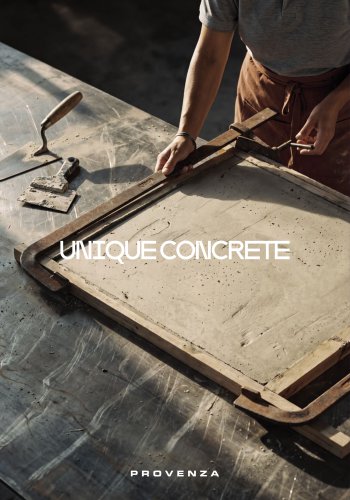 Unique Concrete 2026.09
15 Pages
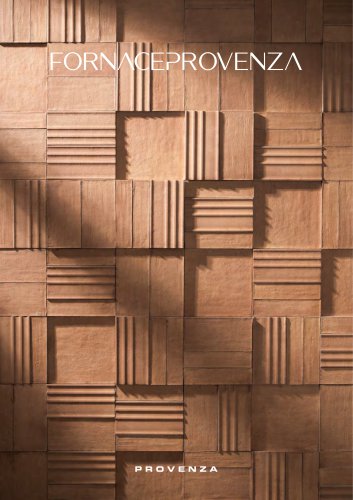 Fornace Provenza 2026.07
31 Pages
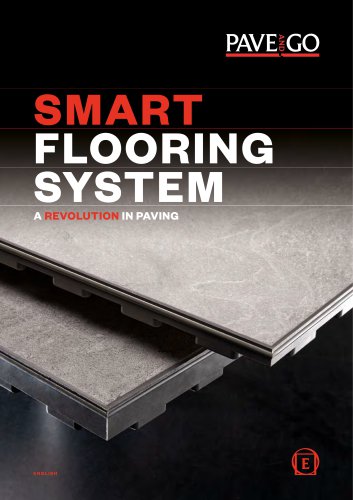 Pave and Go Catalogue
25 Pages
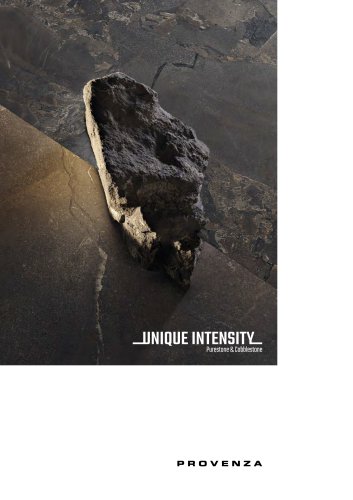 Unique Intensity
29 Pages
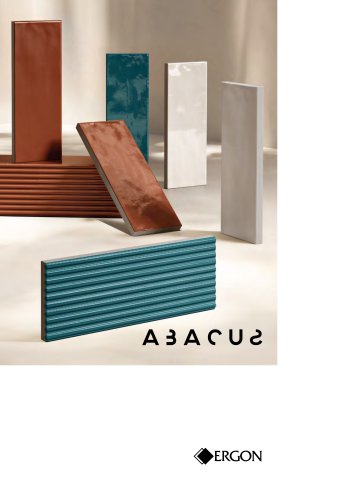 Abacus 2026.10
11 Pages
 LEVEL GENERAL CATALOGUE 2026
230 Pages
 ERGON GENERAL CATALOGUE 2026
137 Pages
 GENERAL CATALOGUE VIVA 2026
59 Pages
 EMILCERAMICA GENERAL CATALOGUE 2026
150 Pages
 Mimesis 2026.04
25 Pages
 Nordika
19 Pages
 Totalook
21 Pages
 Millelegni Remake 2026.04
13 Pages
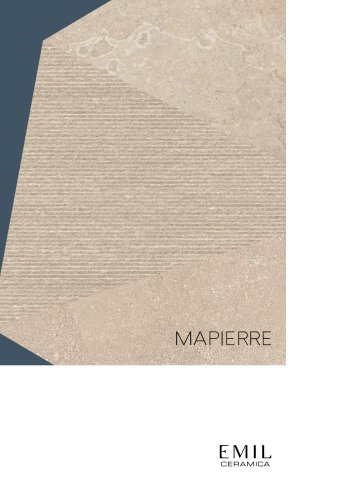 MaPierre 2026.08
39 Pages
 LANDSCAPE
27 Pages
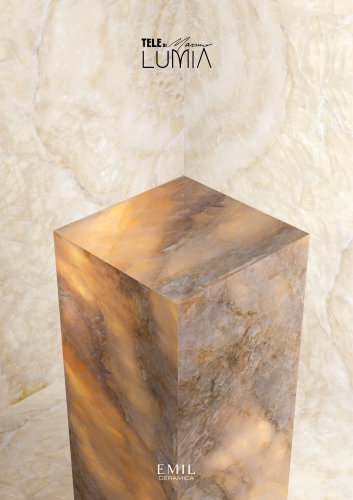 Tele di Marmo Lumia
21 Pages
 Tele di Marmo Crystal 2026.01
25 Pages
 Tele di Marmo 2026.05
9 Pages
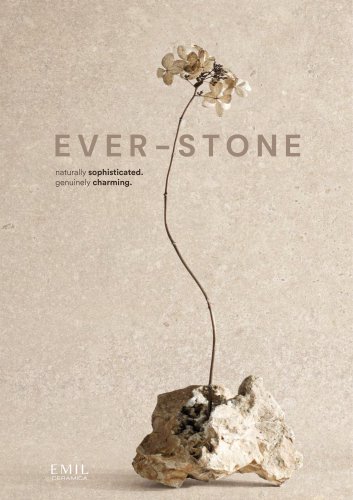 Ever stone
29 Pages
 Tele di Marmo Precious 2026.06
52 Pages
 Sleekwood
17 Pages
 Dual Travertine
31 Pages
 Sixty 2026.04
9 Pages
 Playwood
23 Pages
 Pietra Essenza 2026.04
23 Pages
 On Square 2026.04
19 Pages
 Chateau 2026.04
17 Pages
 Be Square 2026.03
19 Pages
 W-Circles 2026.05
23 Pages
 Pietra di Orosei 2026.06
27 Pages
 GemmaStone 2026.06
25 Pages
 Varana Stone 2025.08
23 Pages
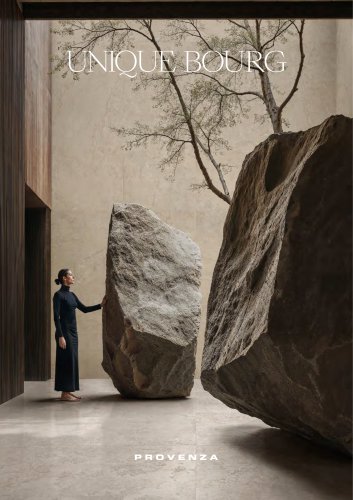 Unique Bourg 2026.06
31 Pages
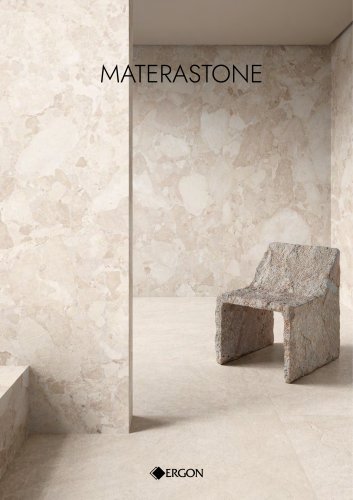 Matera Stone 2026.10
37 Pages
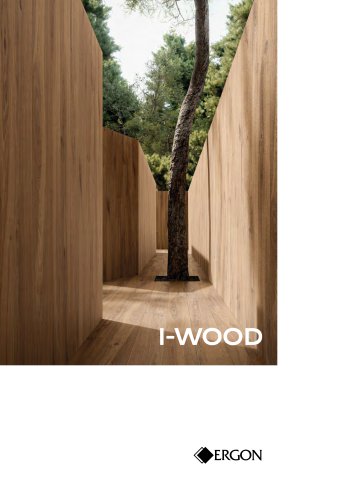 I-Wood 2026.06
27 Pages
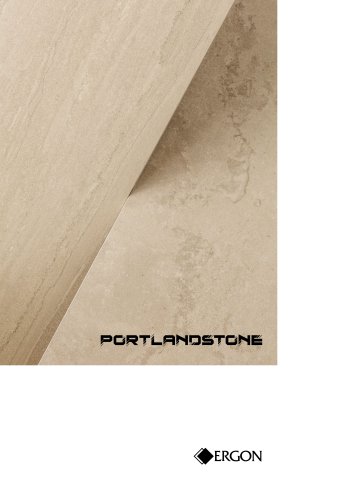 Portland Stone 2026.10
25 Pages
 Fabrika 2026.04
23 Pages
 Forme 2026.08
31 Pages
 Tele di Marmo Pure Onyx 2026.06
52 Pages
 Salt Stone
35 Pages
 Groove 2026.02
11 Pages
 GrainStone 2025.01
23 Pages
 Stone Project 2026.02
11 Pages
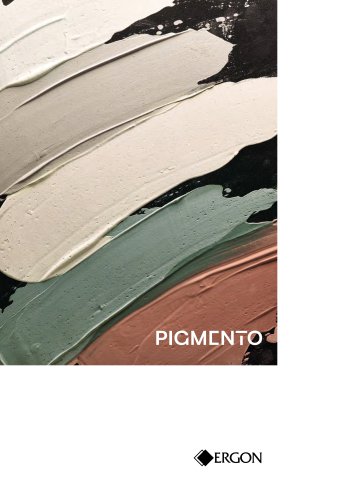 Pigmento 2026.10
29 Pages
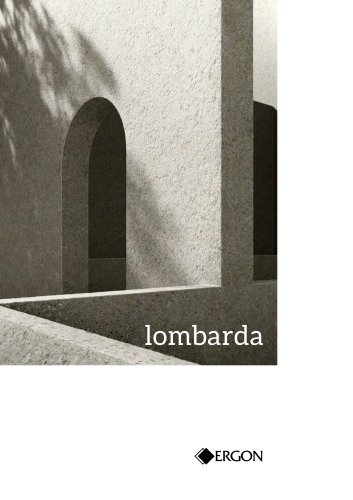 Lombarda 2025.05
37 Pages
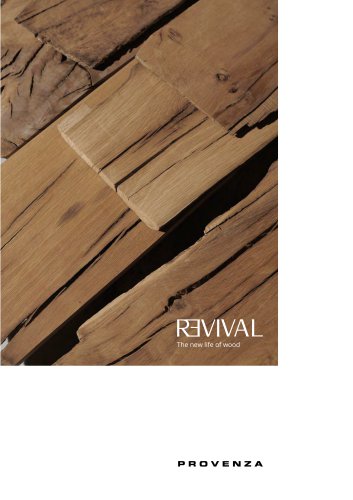 Revival 2026.02
25 Pages
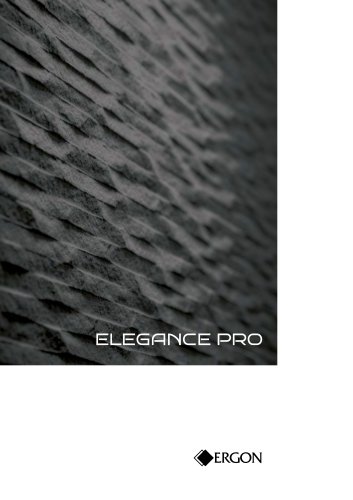 Elegance Pro 2026.04
29 Pages
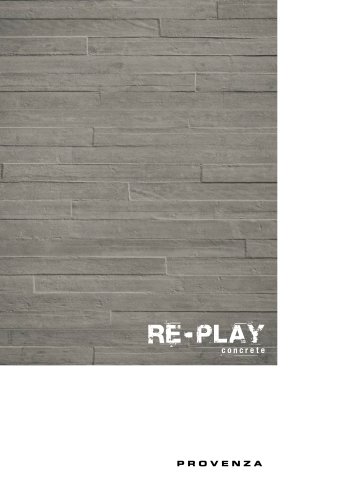 Re Play Concrete 2026.01
37 Pages
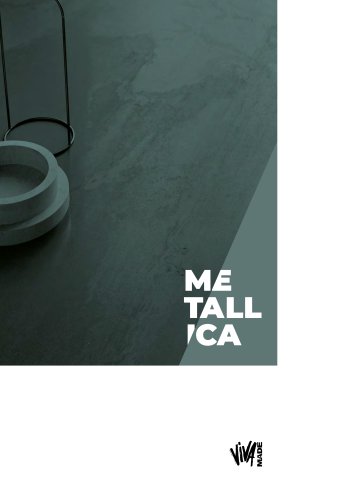 Metallica 2026.02
23 Pages
 Cornerstone
37 Pages
 Unique Travertine 2026.06
45 Pages
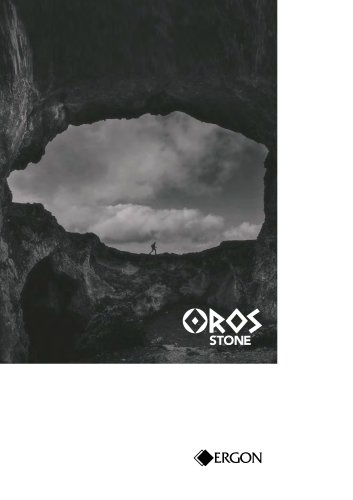 Oros Stone 2026.10
31 Pages
 Unique Marble 2026.03
15 Pages
 Tr3nd 2026.01
29 Pages
 Tele di Marmo Onyx 2025.04
29 Pages
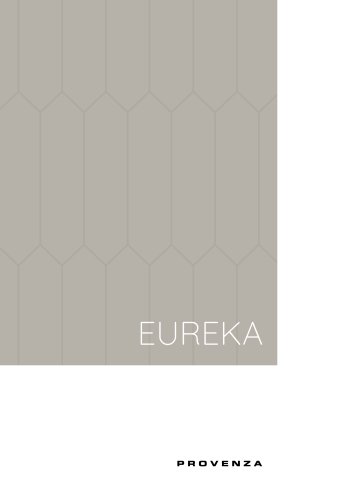 Eureka 2024.12
13 Pages
 Provoak 2025.08
11 Pages
 Tele di Marmo Revolution 2026.05
13 Pages
 Stone Talk 2026.01
39 Pages
 20twenty 2026.08
13 Pages
 Medley 2024.12
25 Pages
 Woodtouch 2026.01
15 Pages
 Pave and Go Projects Catalogue
19 Pages
 Alter 2024.11
17 Pages
 Ego 2025.09
23 Pages
 Millelegni 2024.05
21 Pages
 Tele di Marmo Reloaded 2025.09
13 Pages
 Karman 2025.02
7 Pages
 Cornerstone Alpen 2025.01
21 Pages

- EMILGROUP indoor tile
- EMILGROUP wall tile
- EMILGROUP rectangular tile
- EMILGROUP porcelain stoneware tile
- EMILGROUP home tile
- EMILGROUP square tile
- EMILGROUP contemporary tile
- EMILGROUP patterned tile
- EMILGROUP commercial tile
- EMILGROUP matte tile
- EMILGROUP bathroom tile
- EMILGROUP living room tile
- EMILGROUP gray tile
- EMILGROUP stone look tile
- EMILGROUP frost-resistant tile
- EMILGROUP outdoor tile
- EMILGROUP non-slip tile