


una 2011
1 / 64 PagesView full catalog
una 2011
Product catalog summary
Introduction
The document outlines the "UNA" project by Danese, which aims to revolutionize lighting design by focusing on the interaction between light, humans, and spatial dynamics, rather than merely producing lighting products.
The document outlines the "UNA" project by Danese, which aims to revolutionize lighting design by focusing on the interaction between light, humans, and spatial dynamics, rather than merely producing lighting products.
Specifications and Design Philosophy
The "UNA" project serves as a design platform that integrates various elements to redefine lighting. It prioritizes light output over product design, balancing technical and aesthetic aspects. The project introduces a new light DNA using Red, White, and Blue colors, emphasizing human and environmental considerations.
The "UNA" project serves as a design platform that integrates various elements to redefine lighting. It prioritizes light output over product design, balancing technical and aesthetic aspects. The project introduces a new light DNA using Red, White, and Blue colors, emphasizing human and environmental considerations.
Product Variants
The project includes several product lines:
The project includes several product lines:
- UNA FAMILY: Provides ambient lighting for both private and public spaces.
- UNA PRO: Offers high-performance lighting for architectural applications, focusing on luminous intensity and flow.
- UNA SYSTEM: Delivers systemic working light with individual customization options.
Environmental and Sustainability Aspects
Danese's research emphasizes "Subtraction," optimizing components and performance while using recycled materials. LED technology reduces energy consumption by approximately 80%, extending product life to at least 80,000 hours. The UNA PRO system meets eco-sustainability criteria, including energy conservation and reduced emissions.
Danese's research emphasizes "Subtraction," optimizing components and performance while using recycled materials. LED technology reduces energy consumption by approximately 80%, extending product life to at least 80,000 hours. The UNA PRO system meets eco-sustainability criteria, including energy conservation and reduced emissions.
LEED Certification
The UNA PRO system aligns with LEED® standards, contributing to building certification in categories such as Sustainable Sites, Energy & Atmosphere, Materials & Resources, Indoor Environmental Quality, and Innovation in Design.
The UNA PRO system aligns with LEED® standards, contributing to building certification in categories such as Sustainable Sites, Energy & Atmosphere, Materials & Resources, Indoor Environmental Quality, and Innovation in Design.
Technical Innovations
Innovations include a touch dimmer for individual module control, enhancing user interaction with lighting. Structural flexibility is achieved through a joint system made of die-cast aluminum, allowing for multi-axis adjustment.
Innovations include a touch dimmer for individual module control, enhancing user interaction with lighting. Structural flexibility is achieved through a joint system made of die-cast aluminum, allowing for multi-axis adjustment.
Performance and Efficiency
UNA products achieve high performance with minimal material use. Features like interchangeable lenses and adjustable joints allow for precise control of light intensity and distribution.
UNA products achieve high performance with minimal material use. Features like interchangeable lenses and adjustable joints allow for precise control of light intensity and distribution.
Conclusion
The "UNA" project by Danese represents a shift towards a more sustainable and human-centric approach to lighting design, integrating advanced technology with environmental responsibility.
The "UNA" project by Danese represents a shift towards a more sustainable and human-centric approach to lighting design, integrating advanced technology with environmental responsibility.
Specifications
The document details specifications for lighting products, including holders in three finishes (black, white, transparent), circuits with three power options (9X, 12X, 16X LED of 1W), and joints made of die-cast aluminum with a polished finish. Plates are available in brushed or anodized aluminum with printed circuits in different colors (aluminum, black). Lenses come in three widths: narrow (6°), medium (20°), and wide (38°).
The document details specifications for lighting products, including holders in three finishes (black, white, transparent), circuits with three power options (9X, 12X, 16X LED of 1W), and joints made of die-cast aluminum with a polished finish. Plates are available in brushed or anodized aluminum with printed circuits in different colors (aluminum, black). Lenses come in three widths: narrow (6°), medium (20°), and wide (38°).
Power Circuits
Power circuits are specified for different LED configurations: 9 LED (9W), 12 LED (12W), and 16 LED (16.5W). Interchangeable lenses and holders offer options for neutral white (3700K, CRI 80 Ra) and warm white (3000K, CRI 85 Ra).
Power circuits are specified for different LED configurations: 9 LED (9W), 12 LED (12W), and 16 LED (16.5W). Interchangeable lenses and holders offer options for neutral white (3700K, CRI 80 Ra) and warm white (3000K, CRI 85 Ra).
Installation and Maintenance
Installation guides are provided for configurations such as semi-recessed, wall/ceiling, and track installations. Maintenance instructions highlight the IP20 and IP65 ratings for different products.
Installation guides are provided for configurations such as semi-recessed, wall/ceiling, and track installations. Maintenance instructions highlight the IP20 and IP65 ratings for different products.
Photometrics
Photometric data shows maximum candela values and illuminance at different heights for various configurations, aiding in understanding light distribution and intensity.
Photometric data shows maximum candela values and illuminance at different heights for various configurations, aiding in understanding light distribution and intensity.
Environmental and Technological Innovations
The document introduces the RWB (red-white-blue) lighting system as an environmentally conscious alternative to the traditional RGB system, supporting plant growth and creating atmospheric effects with low energy consumption and heat emission.
The document introduces the RWB (red-white-blue) lighting system as an environmentally conscious alternative to the traditional RGB system, supporting plant growth and creating atmospheric effects with low energy consumption and heat emission.
Scientific Research
Research on light's effect on plant growth emphasizes balancing photosynthesis and plant respiration, highlighting specific light wavelengths that influence different phases of plant growth.
Research on light's effect on plant growth emphasizes balancing photosynthesis and plant respiration, highlighting specific light wavelengths that influence different phases of plant growth.
Psychophysical Well-being
The document discusses the influence of colors on psychophysical well-being, suggesting that colors can enhance daily activities and create a connection between individuals and their environment.
The document discusses the influence of colors on psychophysical well-being, suggesting that colors can enhance daily activities and create a connection between individuals and their environment.
See more
All Danese catalogs and technical brochures
 Magazine 2016
52 Pages
 Danese Magazine 2016
16 Pages
 Light News info 2016
18 Pages
 Light News 2016
321 Pages
 Space news 2015
16 Pages
 Space catalogue 2015
323 Pages
 Light news 2015
40 Pages
 SPACE CATALOGUE 2014
196 Pages
 Light news 2014
16 Pages
 Light Catalogue 2013
242 Pages
 Space news 2013
8 Pages
 Light news 2013
43 Pages
 TERRITORIO
1 Page
 SMITH PRO
1 Page
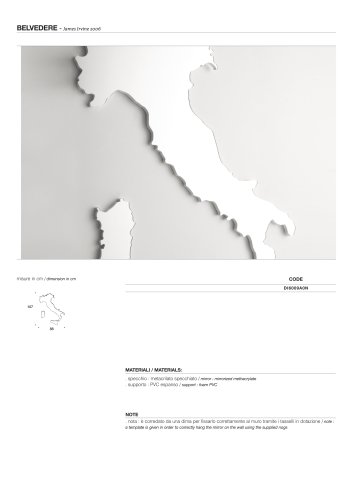 BELVEDERE
1 Page
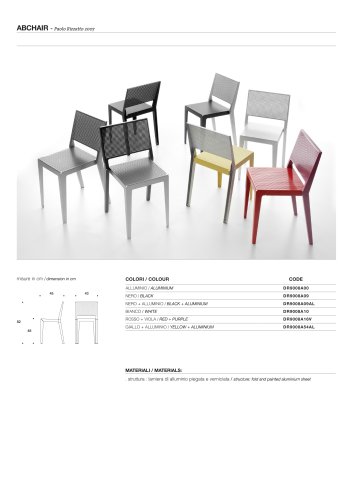 ABCHAIR
1 Page
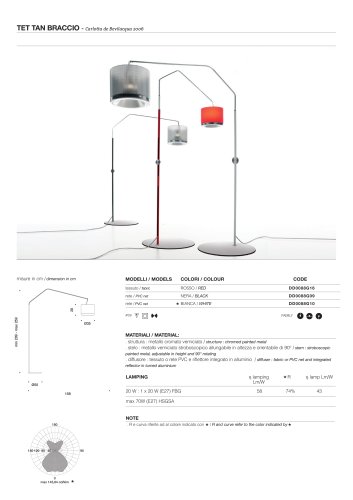 TET TAN BRACCIO
1 Page
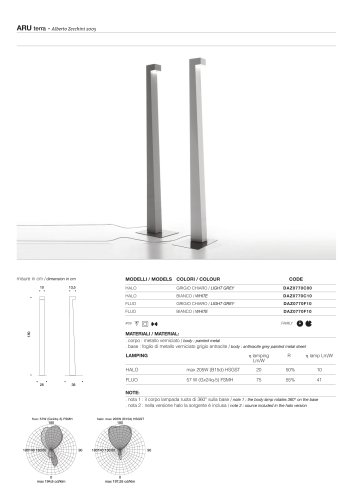 ARU terra
1 Page
 amami
amami2 Pages
 LIVORNO / LIVORNO 60
1 Page
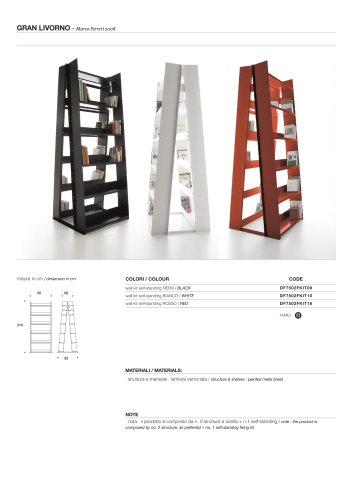 GRAN LIVORNO
1 Page
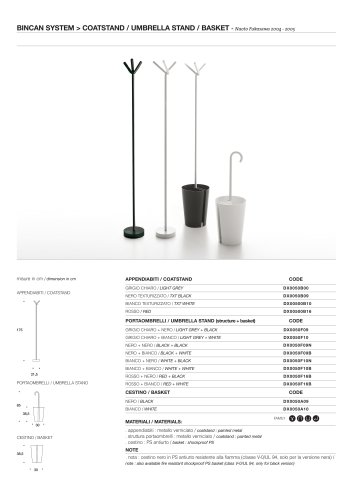 BINCAN SYSTEM
1 Page
 amila stool
1 Page
 cocoa
cocoa2 Pages
 amila arm
1 Page
 100% al
1 Page
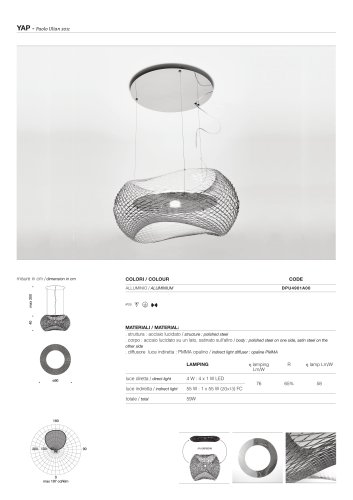 yap
yap3 Pages
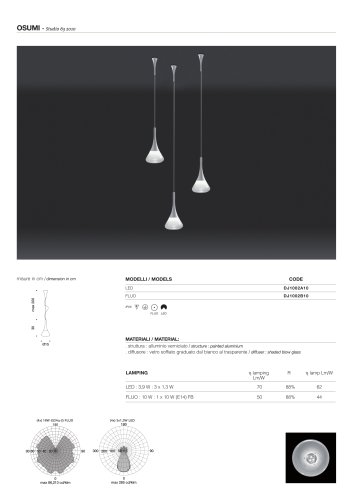 osumi
osumi1 Page
 anemone
1 Page
 albers
1 Page
 brazil
1 Page
 cubo
cubo1 Page
Archived catalogs
 Light news info catalogue_2015
20 Pages
 Space News info Catalogue 2016
24 Pages
 Space news info catalogue_2015
44 Pages
 Space news info catalogue_2013
32 Pages
 Light news info catalogue_2013
40 Pages
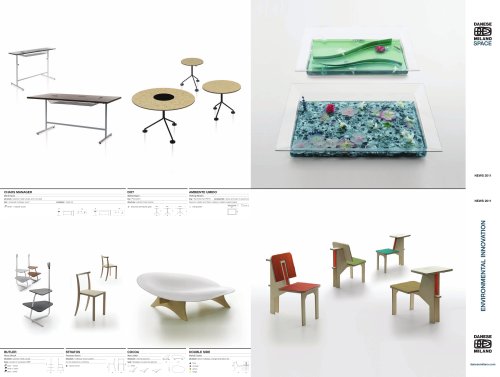 space 2011
2 Pages
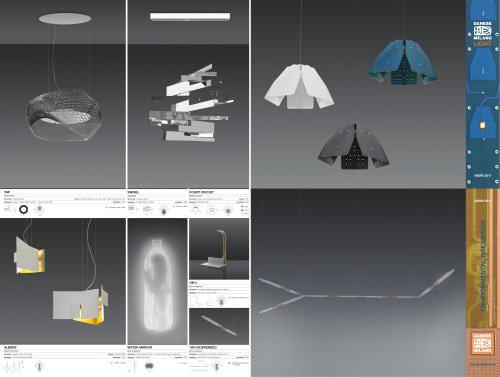 light 2011
2 Pages
 space design
65 Pages
 light design
57 Pages
*Prices are pre-tax. They exclude delivery charges and customs duties and do not include additional charges for installation or activation options. Prices are indicative only and may vary by country, with changes to the cost of raw materials and exchange rates.
About ArchiExpo
ArchiExpo is a marketplace that offers B2B players a complete experience, from product sourcing to purchase. ArchiExpo is an entity of VirtualExpo Group.
Are you a buyer?
Are you a supplier?