

ORGANIZER 2023

ORGANIZER 2023
- Company Profile: Century is renowned for its high-performance ceramic surfaces, utilizing the latest technological processes. The brand focuses on public, commercial, industrial, and technical construction, offering collections that align with contemporary design trends.
- Technology and Production: Century products are made from fine porcelain stoneware. The Fincibec Group emphasizes digital technology and computerization, aligning with Industry 4.0 standards to control and interconnect production stages.
- Product Range: Century offers a wide variety of products that cater to contemporary design needs, emphasizing quality, technical possibilities, and aesthetic refinement. The collections include modular and versatile sizes, allowing for diverse installation options and innovative material and color combinations.
- Sizes and Formats: The collections feature a range of sizes from large slabs (120x120 cm, 60x120 cm) to smaller formats (15x15 cm), with versatile options like 80x80 cm. The 120x278 cm slabs extend usage beyond traditional applications.
- Decorative Elements: Each collection includes coordinated decorative elements such as mosaics and slats, along with a variety of special items for detailed design, including skirting, steps, and specific items for pools and wellness areas.
- Environmental and Quality Standards: The document mentions Ecologycare, certifications, and quality and safety standards, emphasizing the brand's commitment to sustainability and excellence.
Century is a member of the Italy Green Building Council, promoting the LEED rating system which defines environmental impact standards for buildings during design, construction, and maintenance phases. Century products are LEED compliant, supporting sustainable and integrated building design throughout the lifecycle.
Environmental Product Declaration (EPD)
Century participates in voluntary EPDs, providing environmental aspects of products through life cycle analysis (LCA), verified by independent entities. This initiative is supported by Confindustria Ceramica.
ISO 14021 Compliance
Century's collections include recycled materials, aligning with ISO 14021 standards, allowing architects to gain LEED credits for eco-friendly building evaluations.
Quality and Safety Management
Century employs certified quality and safety management systems to monitor production processes, ensuring high-quality standards and workplace safety. The company is committed to preventing workplace accidents and protecting employee health.
Certifications and Standards
All Century products are CE certified and adhere to international and European tile certification standards. Some products have also obtained rigorous French product certification.
Made in Italy and Ethical Standards
Century products are entirely designed and manufactured in Italy, adhering to the 'Made in Italy' code of ethics by Confindustria Ceramica, ensuring transparency regarding product origins and maintaining high ethical and cultural values.
CENTURY is committed to producing high-quality ceramic products entirely in Italy, adhering to ethical and cultural values. The company emphasizes transparency in product origin and follows the Confindustria Ceramica's Made in Italy ethical code. Fincibec Group, a global leader in ceramic tile production, aims to be a reference for demanding consumers by offering innovative and high-performance products. The group is driven by a passion for innovation and research, contributing significantly to the evolution of ceramic products worldwide.
The Fincibec Campus in Sassuolo serves as a dynamic space for future projects, equipped to meet the needs of professionals such as architects and designers. It features a large showroom, training areas, and conference rooms. The campus is strategically located near Fincibec's production plants and offers both in-person and virtual tours, facilitated by advanced technology. Training events focus on the installation and transformation of porcelain stoneware, essential for architecture and building professionals.
The document outlines various aspects of Fincibec's products, including technology, sizes, thicknesses, surfaces, and porcelain stoneware. It also highlights the company's commitment to ecology, quality, and safety, supported by certifications.
Fincibec offers a range of collections such as Aurum Titan, Blend Uptown, and Ecostone, categorized by effect, size, and collection. The company provides designers with the tools to interpret contemporary design trends effectively.
The Fincibec Campus is a dynamic operational tool designed to meet the needs of professionals in the construction, architecture, and interior design sectors. It features a large showroom and areas for training and commercial meetings. Located in Sassuolo, Italy, the campus is strategically positioned near Fincibec's production plants, offering personalized visits and virtual tours with advanced technological equipment.
Showroom and Training Facilities:
The showroom is equipped with high-resolution cameras and microphones, allowing for virtual visits and presentations. The campus also includes two large conference rooms for training and practical exercises, focusing on the installation and transformation of porcelain stoneware.
Product Specifications:
The document details various products such as fine porcelain stoneware with wood, concrete, and stone effects. It includes information on sizes, thicknesses, surfaces, and slip resistance standards. The products are available in different formats and are designed for fully-resistant flooring.
Technical Specifications and Standards:
The document outlines technical specifications, including slip resistance standards like B.C.R.A., ANSI A137.1, and DIN EN 16165. It also provides packaging details and recommendations for product installation, such as joint size and staggering limits.
Product Collections:
Several collections are mentioned, including Aurum Titan, Blend Uptown, and Jasper, each offering unique design effects and formats. The document provides a detailed index of products by effect, size, and collection.
This document outlines the specifications for fully-resistant flooring, specifically focusing on fine porcelain stoneware. It adheres to ISO 13006 BIa and EN 14411/G standards, ensuring high durability and resistance.
Product Details
The flooring is available in various sizes, including 50x100 cm, 80x80 cm, 40x80 cm, and 60x60 cm, with a thickness of 20mm. The surfaces are designed with a grip finish, rated A+B+C R11 for slip resistance, suitable for both indoor and outdoor applications.
Packaging and Weight
The tiles are packaged in boxes and pallets, with specific details on the number of pieces, square meters covered, and weight per package. For example, a 50x100 cm tile box covers 0.5 m² and weighs 22.5 kg.
Special Pieces
Special pieces such as gradone (steps) and corner pieces are available in various sizes, providing additional design flexibility for projects.
Engineering and Support Services
Fincibec Engineering offers support services for the use of ceramic products, assisting retailers, designers, and installers. The division provides technical support from design to construction, ensuring optimal material selection and project execution.
Pools and Wellness Solutions
Monocibec, part of the Fincibec Group, offers a dedicated program for swimming pools and wellness areas. The materials ensure safety, hygiene, aesthetic refinement, and durability, with resistance to chemicals and frost.
Contact Information
For further assistance, Fincibec Engineering can be contacted via email at [email protected] or by phone at (+39) 0536861300.
The document discusses the slip resistance characteristics of flooring materials, highlighting the lack of a universally accepted international standard. It mentions various national standards such as DIN 51130, DIN 51097, DCOF (ANSI A 137.1), BS 7976, AS 4586, and BCRA, which are used to assess slip resistance. The company provides indicative values for these standards to guide selection but does not offer a specific guarantee. Upon request, materials can be tested by official laboratories according to user-specified methods.
Slip Resistance Classifications
The document outlines classifications for slip resistance based on different standards. For example, the DIN EN 16165 standard classifies flooring for wet areas and work environments with slippery surfaces. The classifications range from R9 to R13, indicating increasing slip resistance with higher numbers. The document also provides classifications for wet and dry conditions using the BCRA standard.
Product Classification and Usage Recommendations
The document provides guidance on the use of ceramic floor tiles based on their wear resistance, which is determined by factors such as laboratory test results and historical usage data. The classification divides products into five groups, aiding in the selection of suitable materials for specific applications. Recommendations are provided for heavy and medium foot traffic environments, including commercial spaces like hotels and offices, as well as residential areas.
Key Data from Tables and Standards
The document includes tables summarizing slip resistance values and classifications. For instance, the AS 4586 standard uses a Pendulum SRV with classifications from P1 to P5, indicating increasing slip resistance. The BS 7976 standard categorizes slip potential from high to extremely low based on numerical values.
Ceramic floor tiles are recommended for environments with medium to light foot traffic. They should be placed in areas protected from abrasive and scratching agents. These tiles are suitable for use in private home environments that are not directly connected to the outside, such as bedrooms and bathrooms.
When laying tiles, it is essential to take them from several different boxes to ensure an even appearance. The tiles should be laid by expert professionals, especially when using 7 mm porcelain stoneware slabs, which require a perfectly level and stable screed. The "double spreading" technique should be used to apply adhesive, optimizing distribution and preventing empty spaces that could cause cracking.
Fincibec reserves the right to modify its products without prior notice and cannot be held liable for any direct or indirect damage caused by such modifications. It is crucial to refer to the current price list for accurate information on codes, packaging, and weight. The color shades in the catalog are indicative and may vary.
7 mm porcelain stoneware slabs are not suitable for floors in locations with heavy, concentrated loads or forklift traffic. Before laying these slabs, ensure the screed is perfectly level and stable. During restructuring, these slabs can be laid over existing coverings if the underlying surface is free of cracks and stable.
Polished porcelain stoneware slabs have a high gloss and slight irregularities typical of natural materials. They are suitable for walls and floors in residential and light commercial applications but should not be used where slip-resistant properties are necessary. Measures should be taken to absorb moisture and pick up dirt if a glossy floor is in direct contact with the outdoors.
The document outlines the technical specifications for porcelain stoneware tiles, including standards compliance, physical properties, and resistance to various conditions. Key standards referenced include EN ISO 10545 series, covering aspects like water absorption, flexion resistance, impact resistance, thermal expansion, and chemical resistance.
Installation Procedures:
Detailed guidelines are provided for the installation of porcelain stoneware tiles. It emphasizes the importance of checking material hue, size, and quality before installation. Recommendations include ordering extra material for repairs, using high-performance adhesives, and ensuring the substrate is flat and stable. Specific techniques like double spreading for large tiles and maintaining proper joint widths are advised.
Outdoor Installation:
For outdoor installations, the document stresses the need for high-quality tiles and experienced design to handle specific loads and static conditions. It recommends using deformable cementitious adhesives and ensuring proper drainage and expansion joints to accommodate temperature changes.
Cleaning and Maintenance:
Post-installation cleaning is crucial to prevent cement film formation. The document lists recommended cleaning products for different types of grout, emphasizing timely removal of excess material to avoid difficult stains.
Standards and Compliance:
The tiles comply with various EN ISO standards, ensuring resistance to thermal shocks, frost, chemicals, and stains. The document also mentions the importance of contacting Fincibec S.P.A for specific certificates and data.
Initial Cleaning: Begin by removing coarse dirt and apply a diluted detergent using a colorless cloth. Test on a small area first. Avoid contact with special or decorated pieces and materials like aluminum, steel, or natural stone. Use Scotch-Brite pads or cellulose sponges for scrubbing. Rinse thoroughly to remove detergent residues. For polished materials, clean excess grout before it dries to prevent scratching.
Post-Acid Wash: An alkaline wash may be necessary to remove any oiliness left by the acid wash. Recommended products include PS 87 PRO (Fila), Wax remover (Faber Chimica), and Deterflash (Geal Bel Chimica).
Routine Maintenance: Use neutral detergents diluted in hot water for regular cleaning. Ensure thorough rinsing and drying to prevent residue buildup. Recommended products are Fila Cleaner, Tile Cleaner (Faber Chimica), and Bel Gres (Geal Bel Chimica). Avoid waxes, oily soaps, and hydro-oil repellent treatments. Do not use hydrofluoric acid or its derivatives.
Special Cleaning: For stubborn stains, use specific detergents. Removal is easier when stains are fresh. Perform a test on polished tiles before using detergents.
Installation Guidelines
Material Verification: Check tone, caliber, and selection before installation. Order 10-15% extra material for future repairs.
Installation Method: Use cement dusting or adhesive methods, with adhesive recommended for better hold. Ensure the substrate is level, stable, dry, and mature. Follow adhesive manufacturer instructions. Use double spreading for tiles larger than 60cm.
Joints and Grouting: Use a minimum 2mm joint for rectified products and 3mm for non-rectified or outdoor installations. Regularly place expansion joints in large areas.
Installation on Existing Floors: Ensure surface flatness and cleanliness. Use 2mm joints and perimeter expansion joints. Apply adhesive using the double spreading method.
Wall Cladding: Follow similar procedures as floor installation. Ensure surface flatness and use appropriate adhesives.
Outdoor Installation: Use high-quality tiles and consult an expert for load and static considerations. Follow CEN/TR 13548 guidelines. Use improved cement adhesives with extended open time and apply double spreading technique.
Post-Installation Cleaning: Mandatory at the end of construction. Use water and buffered acid solutions for cementitious grout residues. For epoxy grout, remove excess before it hardens and use specific products if residues remain.
Catalog excerpts

2023 FINE PORCELAIN STONEWARE INTERACTIVE VERSION
Open the catalog to page 1
FINE PORCELAIN STONEWARE FINCIBEC GROUP
Open the catalog to page 2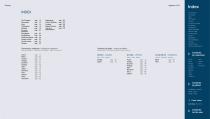
Index INDEX The Company pag Contents by collection / Indice per collezione Index par collection - Verzeichnis der kollektion - Indice por coleccion Contents by effect - Indice per effetto Index par effet - Verzeichnis der effetk - Indice por efecto Aurum Blend Contact Cottage Ecostone Geology Glam Jasper Stonerock Titan Uptown Two.0 Two 20mm WOOD - LEGNO bois - Holz - madera STONE - PIETRA pierre - Stein - piedra CONCRETE - CEMENTO concret - Konkrete - concreto The Company Technology Sizes Thicknesses Surfaces Porcelain stoneware Ecologycare Certifications Quality and Safetyl Ceramic of Italy...
Open the catalog to page 3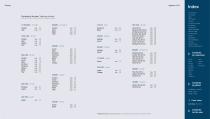
Index Contents by the size / Indice per formato Index par formats - Index nach format - Indice por formato Contact Glam Blend Titan Contact Glam Uptown Titan Contact Aurum Glam Ecostone Stonerock Uptown Blend Titan 60x60 - 24”x24 Aurum Glam Ecostone Stonerock Uptown Blend Titan Contact 30x60 - 12”x24 Contact Aurum Ecostone Stonerock Uptown Blend Titan The Company Technology Sizes Thicknesses Surfaces Porcelain stoneware Ecologycare Certifications Quality and Safetyl Ceramic of Italy Fincibec Group Campus Engineering Pools & Wellness Facades Raised Flooring Technical Specifications Contents by...
Open the catalog to page 4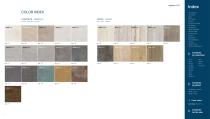
COLOR INDEX The Company Technology Sizes CONCRETE - CEMENTO WOOD - LEGNO concret - Konkrete - concreto bois - Holz - madera Thicknesses Surfaces Porcelain stoneware Ecologycare Chalk Titan Concept Blend Canyon Titan Class Blend Indium Titan Selva Cottage River Jasper Creek Jasper Ortles Cottage Quality and Safety Ceramic of Italy Fincibec Group Campus Engineering Pools & Wellness pag. 114 Platinum Titan Raised Flooring Technical Specifications Peak Jasper Contents by collection Aurum Aluminium Titan Ecostone Geology Glam Jasper Stonerock Corten Titan CONCRETE - Cemento WOOD - Legno STONE - Pietra...
Open the catalog to page 5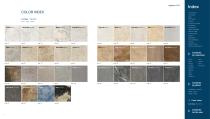
Candor Aurum Mystic Contact Fossil Geology Black Stone Stonerock COLOR INDEX STONE - PIETRA pierre - Stein - piedra Stone White Contact Bianco Glam Mineral Geology White Stone Stonerock Elegance Contact Morningside Uptown Malabar Stone Ecostone Grigio Glam Hamilton Uptown Atmosphere Geology Index Sugar Hill Uptown The Company Technology Sizes Thicknesses Surfaces Porcelain stoneware Ecologycare Certifications Quality and Safety Ceramic of Italy Fincibec Group Campus Engineering Pools & Wellness Facades Raised Flooring Technical Specifications Artis Aurum Mars Geology Hudson Uptown Rust Stone...
Open the catalog to page 6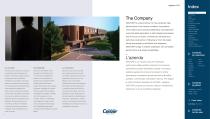
The Company CENTURY is a brand known for the extremely high performance of its ceramic surfaces, its products with modern and innovative aesthetics, manufactured using the latest generation in technological processes, and its focus on public, commercial, industrial and technical construction. Following on from the latest trends expressed by architects and designers, CENTURY brings to market collections with unrivalled performance and design possibilities. Technology Sizes Thicknesses Surfaces Porcelain stoneware Ecologycare Certifications Quality and Safety] Ceramic of Italy Fincibec Group Campus...
Open the catalog to page 7
Technology, precision, productivity THE CENTURY PRODUCTS ARE ALL MADE OUT OF FINE PORCELAIN STONEWARE. One of the feathers in FINCIBEC GROUP’S cap is its wide-ranging use of digital technology and advanced computerisation that allows the control and interconnection of the main production stages, in keeping with the modern concepts of industry 4.0. Tecnologia, precisione, produttivita I PRODOTTI CENTURY SONO TUTTI REALIZZATI IN GRES FINE PORCELLANATO. Uno dei fiori all’occhiello del GRUPPO FINCIBEC e costituito dal diffuso utilizzo delle tecnologie digitali e dalla elevata informatizzazione che...
Open the catalog to page 8
Une gamme sans limites Century accompagne quotidiennement revolution de I'architecture et du design a travers une extraordinaire variete de produits qui refletent les nombreuses exigences du design contemporain en termes d'excellence de la qualite, de possibilites techniques et constructives et de raffinement esthetique. A limitless range Century follows the daily evolution of architecture and design through an extraordinary array of products that with their outstanding quality, technical and creative facets and sophisticated look reflect the many demands of contemporary design. Una gamma senza...
Open the catalog to page 9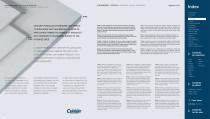
A limitless range - Una gamma senza limiti THICKNESSES - SPESSORI - EPAISSEURS - DICKEN - ESPESORES Une gamme sans limites - Eine unbegrenzte Produktpalette - Una gama sin límites Sizes Thicknesses Surfaces Porcelain stoneware CENTURY PORCELAIN STONEWARE HAS SPREAD APPLICATION THANKS TO A RANGE OF PRODUCTS 9 mm 10 mm WITH DIFFERENT THICKNESSES, SUITED TO THE INTENDED USES. IL GRES PORCELLANATO CENTURY HA CONQUISTATO AMBITI DI UTILIZZO SEMPRE PIÙ VASTI E SPECIFICI, ATTRAVERSO UNA GAMMA PRODOTTI CON 9 mm is the thickness used for the more conventional-sized range. Strength, versatility and certified...
Open the catalog to page 10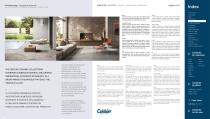
A limitless range - Una gamma senza limiti SURFACES - SUPERFICI - SURFACES - OBERFLÄCHEN - SUPERFICIES Une gamme sans limites - Eine unbegrenzte Produktpalette - Una gama sin límites The Company Natural The natural finish lets you capture the product material’s original essence of the surface. Recommended for use on floors and walls in residential, commercial and high traffic public spaces. Lapped and brushed Lapping and brushing are special ways of working the ceramic surface to produce a slight but continuous glossy effect which evenly underlines the material’s structure. These surfaces are...
Open the catalog to page 11
Le gres cerame. Un choix sur Le gres cerame fin est fabrique a partir d'un melange de matieres premieres fines, traitees de maniere appropriee et cuites a une temperature jusqu'a 1250°C, ce qui garantit une gresification parfaite. Les produits en gres cerame presentent des caracteristiques de durete, de resistance, de compacite, de non-absorption et de resistance au gel exceptionnelles qui les rendent inimitables, en termes de performances, pour une utilisation en architecture dans les domaines d'utilisation les plus varies. Porcelain stoneware. A safe choice Fine porcelain stoneware is created...
Open the catalog to page 12All Century catalogs and technical brochures
 Contact
31 Pages
 Blend
Blend33 Pages
 Ecostone
21 Pages
 Uptown
29 Pages
 TWO
TWO31 Pages
 Titan
Titan27 Pages
 Stonerock
27 Pages
 MEDLEY
33 Pages
 Jasper
35 Pages
 Glam
Glam23 Pages
 Geology
31 Pages
 Aurum
Aurum27 Pages
 PANTHEON
27 Pages
 PENINSULA
28 Pages
 PLANET
9 Pages
 PROXIMA
21 Pages
 RIVERLAND
17 Pages
 SHERWOOD
21 Pages
 STONEHOUSE
28 Pages
 STUDIO
23 Pages
 TWO.0
TWO.025 Pages
 Kosmos
20 Pages
 Keramos
23 Pages
 Explorer
28 Pages
 DARWIN
28 Pages
 Cottage
19 Pages
 CROSS OVER
24 Pages
 CHALLENGE
20 Pages
 ASTER
ASTER21 Pages
 ARBOR
ARBOR28 Pages
 ADVENTURE
22 Pages
Archived catalogs
 Marmi Italiani
47 Pages
- VirtualExpo Group
- Our Partners
- Careers
- Testimonials