
- Catalogs
- Ardesia Mangini A & D snc
- 7 PAV SPACCO DESTRA

7 PAV SPACCO DESTRA
1 / 1 PageView full catalog
7 PAV SPACCO DESTRA
Product catalog summary
Overview
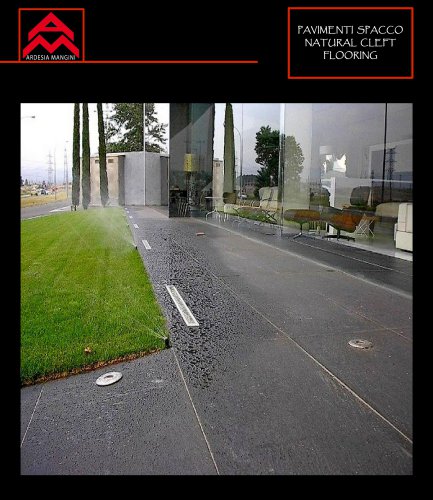
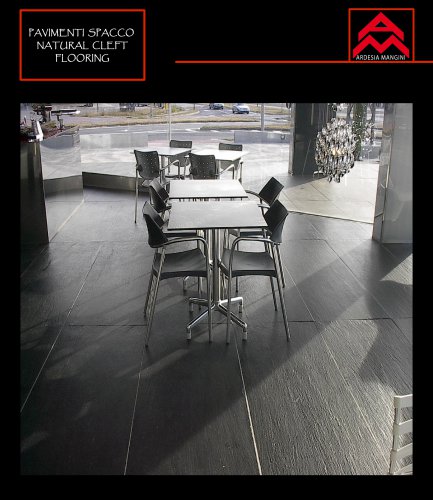
This document addresses the specifications and characteristics of natural cleft flooring, commonly referred to as "Pavimenti Spacco". It focuses on the technical aspects, installation procedures, and recommended practices for this type of flooring.
Specifications
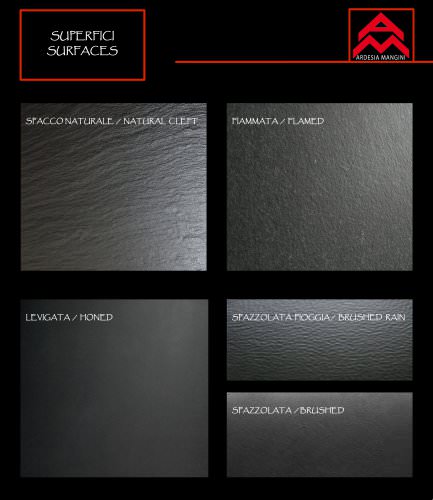
- Material Characteristics: Natural cleft stone is characterized by its rough, textured surface obtained by splitting the stone along its natural clefts. This provides a non-slip surface ideal for flooring applications.
- Dimensions and Thickness: Typical slabs vary in thickness depending on the stone type and intended use, generally ranging from 2 to 5 cm.
- Stone Types: Commonly used stones include granite, slate, and sandstone, selected based on durability and aesthetic requirements.
Installation Procedures
- Surface Preparation: The substrate must be clean, stable, and properly leveled to ensure correct adhesion and longevity.
- Laying Method: Stones are laid with joints filled using compatible grout or mortar, ensuring proper alignment and spacing.
- Sealing and Finishing: Post-installation sealing is recommended to enhance durability and resistance to stains and weathering.
Standards and Recommendations
- Adherence to local building codes and standards for natural stone flooring is essential.
- Regular maintenance, including cleaning and resealing, is advised to preserve the flooring's appearance and performance.
- Use of appropriate tools and safety measures during installation to prevent damage and ensure worker safety.
Key Considerations
- Natural cleft flooring offers excellent slip resistance due to its textured surface.
- Variations in stone color and texture are inherent and should be considered part of the natural aesthetic.
- Proper installation and maintenance are critical to maximize the lifespan and functionality of the flooring.
See more
Catalog excerpts
ARDESIA MANGINI PAVIMUNTI STACCO NATURAL CLLFT
Open the catalog to page 1All Ardesia Mangini A & D snc catalogs and technical brochures
 39 RIVESTIMENTI SINISTRA
1 Page
 38 RIVESTIMENTI DESTRA
1 Page
 37 RIVESTIMENTI SINISTRA
1 Page
 36 RIVESTIMENTI DESTRA
1 Page
 35 RIVESTIMENTI SINISTRA
1 Page
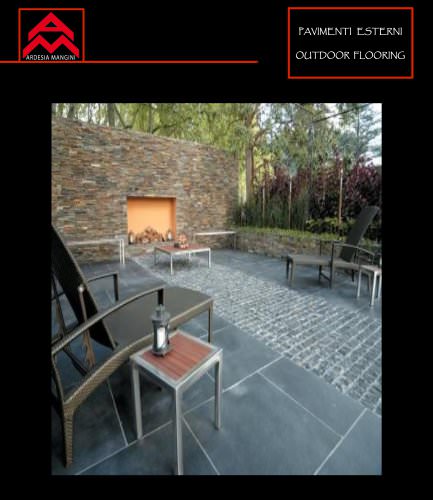 34 PAV ESTERNI DESTRA
1 Page
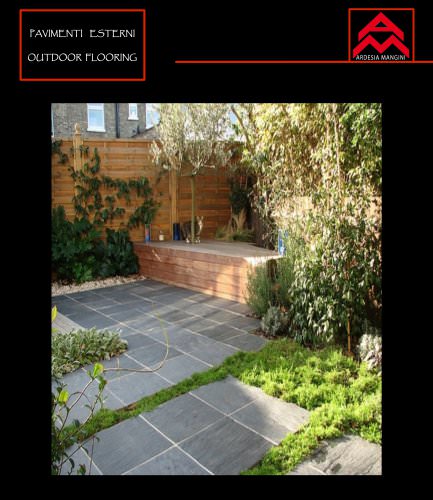 33 PAV ESTERNI SINISTRA
1 Page
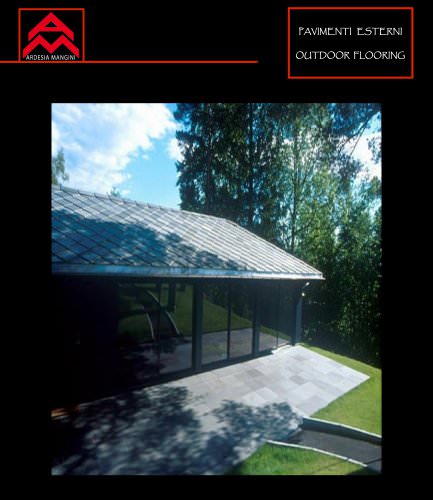 32 PAV ESTERNI DESTRA
1 Page
 31 PAV ESTERNI SINISTRA
1 Page
 30 PAV ESTERNI SINISTRA
1 Page
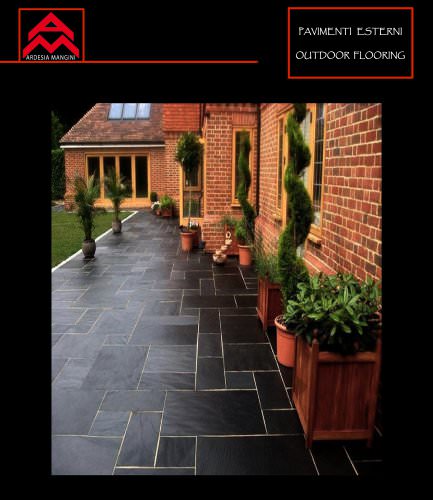 31 PAV ESTERNI DESTRA
1 Page
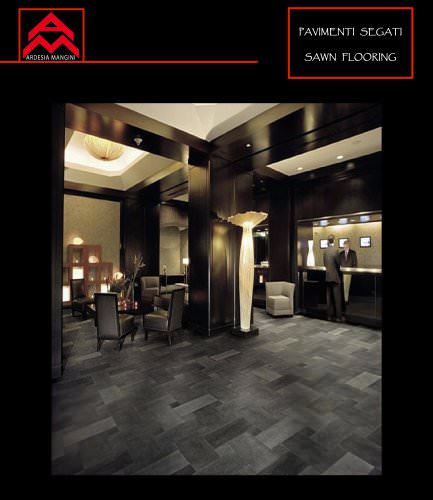 29 PAV SEGATO DESTRA
1 Page
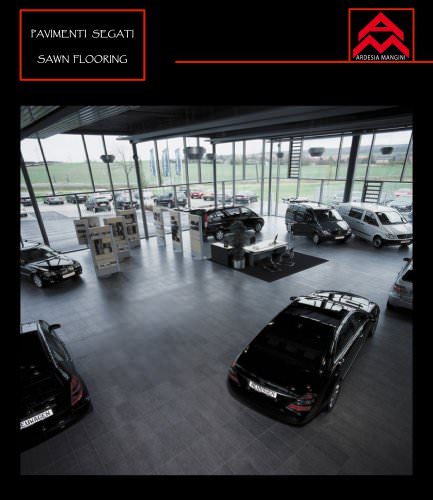 28 PAV SEGATO SINISTRA
1 Page
 24 PAV FIAMMATO SINISTRA
1 Page
 25 PAV FIAMMATO DESTRA
1 Page
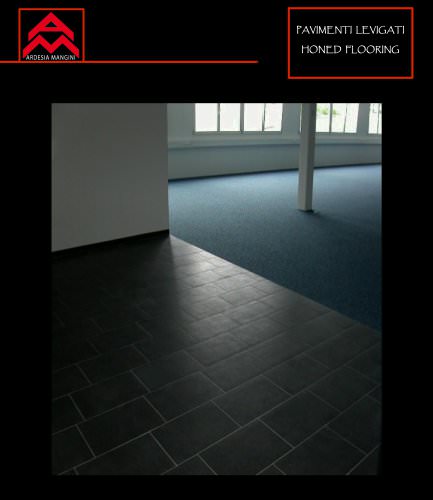 17 PAV LEVIGATO DESTRA
1 Page
 16 PAV LEVIGATO SINISTRA
1 Page
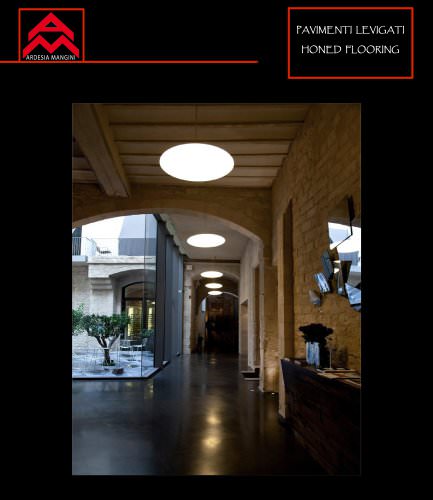 15 PAV LEVIGATO DESTRA
1 Page
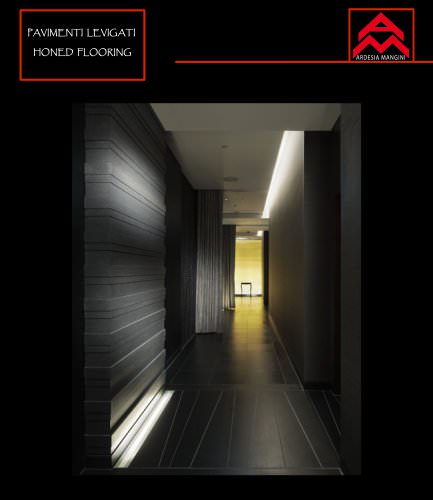 14 PAV LEVIGATO SINISTRA
1 Page
 13 PAV LEVIGATO DESTRA
1 Page
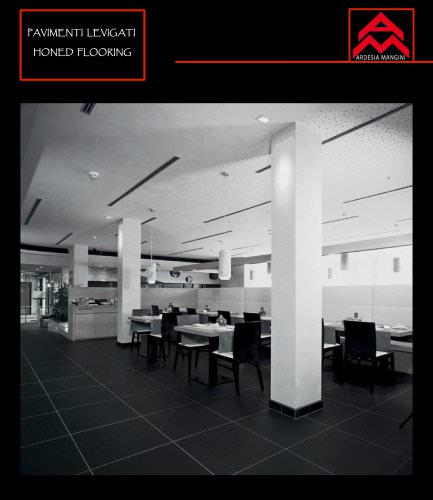 12 PAV LEVIGATO SINISTRA
1 Page
 11 PAV SPACCO DESTRA
1 Page
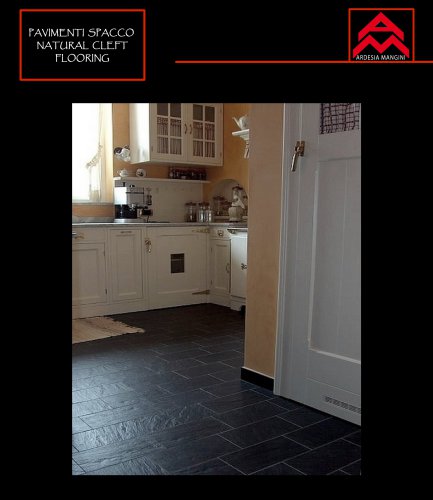 10 PAV SPACCO SINISTRA
1 Page
 9 PAV SPACCO DESTRA
1 Page
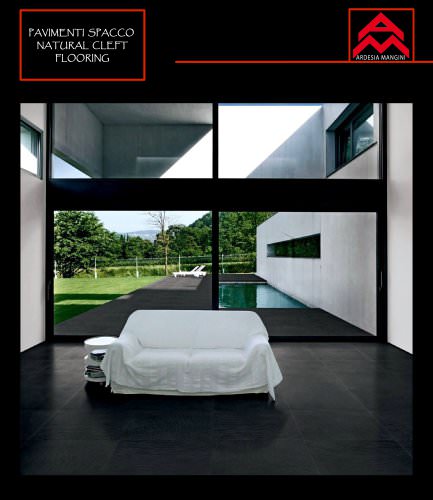 8 PAV SPACCO SINISTRA
1 Page
 6 PAV SPACCO SINISTRA
1 Page
 5 PAV SPACCO DESTRA
1 Page
 4 PAV SPACCO SINISTRA
1 Page
 3 SUPERFICI DESTRA
1 Page
 2 SUPERFICI SINISTRA
1 Page
 1 COPERTINA
1 Page




*Prices are pre-tax. They exclude delivery charges and customs duties and do not include additional charges for installation or activation options. Prices are indicative only and may vary by country, with changes to the cost of raw materials and exchange rates.
About ArchiExpo
ArchiExpo is a marketplace that offers B2B players a complete experience, from product sourcing to purchase. ArchiExpo is an entity of VirtualExpo Group.
Are you a buyer?
Are you a supplier?