
- Catalogs
- Ardesia Mangini A & D snc
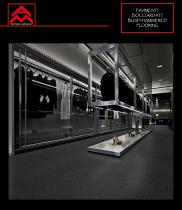
- 23 PAV BOCCIARDATO DESTRA

23 PAV BOCCIARDATO DESTRA

1 / 1 PageView full catalog
23 PAV BOCCIARDATO DESTRA
Product catalog summary
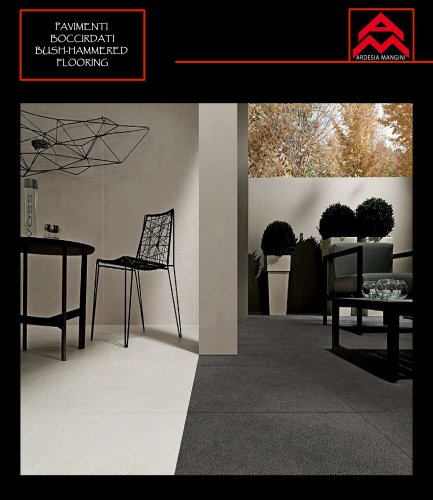
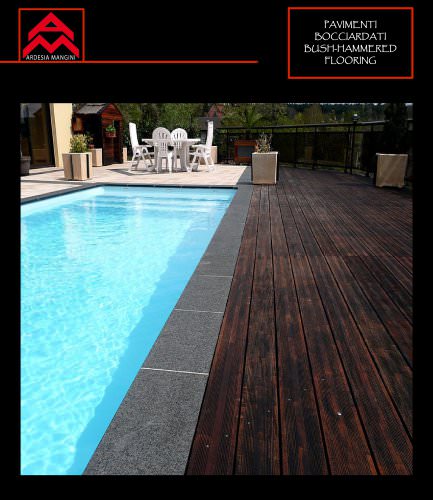
Overview of Bush-Hammered Flooring
This document focuses on the technical aspects of bush-hammered flooring, a type of pavement surface treatment characterized by a textured finish achieved through mechanical hammering.
1. Specifications
- Material Requirements: Typically applied on concrete or natural stone surfaces to enhance slip resistance and aesthetic appeal.
- Surface Texture: The bush-hammering process creates a rough, patterned surface by impacting the pavement with a specialized hammer tool.
2. Procedures
- Preparation: The substrate must be clean, dry, and free of contaminants before treatment.
- Application: Use of a bush hammer tool, either manual or mechanical, to uniformly impact the surface, ensuring consistent texture and depth.
- Finishing: Post-treatment cleaning to remove debris and dust, possibly followed by sealing depending on the material.
3. Standards and Norms
- Compliance with local building codes and safety standards related to slip resistance and durability.
- Adherence to manufacturer guidelines for hammering intensity and coverage.
4. Recommendations and Best Practices
- Ensure uniform hammering to avoid uneven surfaces that could cause tripping hazards.
- Consider environmental conditions such as temperature and humidity during application for optimal results.
- Regular maintenance and inspection to preserve surface integrity and safety.
5. Key Parameters and Limitations
- Depth and frequency of hammer impacts directly affect texture and slip resistance.
- Not suitable for all types of stone or concrete; material compatibility must be verified.
- Potential for increased surface wear over time due to rough texture.
See more
Catalog excerpts
ARDESIA MANGI
Open the catalog to page 1All Ardesia Mangini A & D snc catalogs and technical brochures
 39 RIVESTIMENTI SINISTRA
1 Page
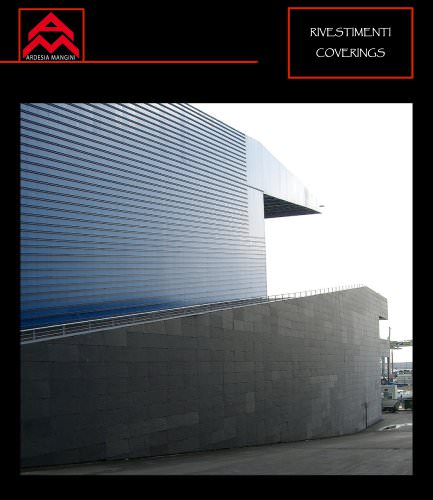 38 RIVESTIMENTI DESTRA
1 Page
 37 RIVESTIMENTI SINISTRA
1 Page
 36 RIVESTIMENTI DESTRA
1 Page
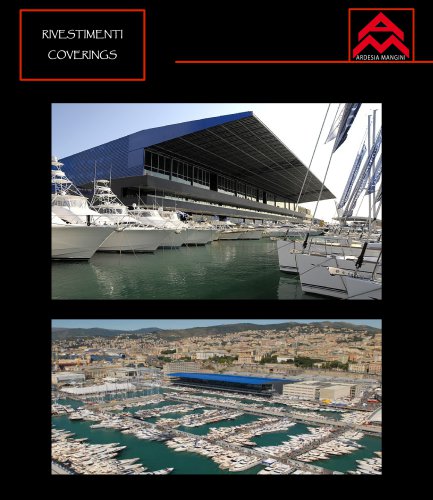 35 RIVESTIMENTI SINISTRA
1 Page
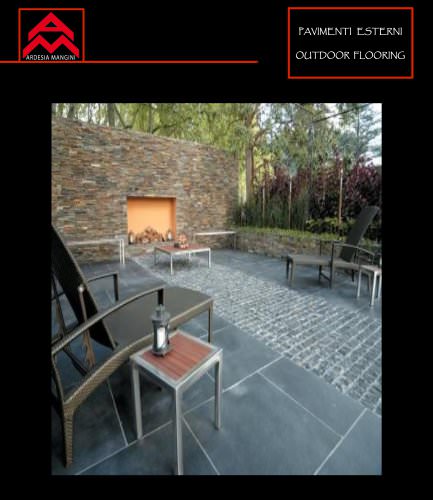 34 PAV ESTERNI DESTRA
1 Page
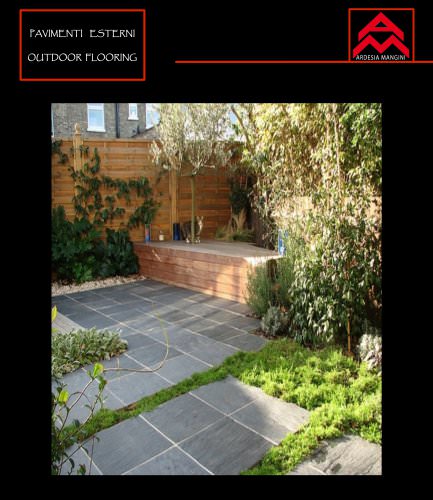 33 PAV ESTERNI SINISTRA
1 Page
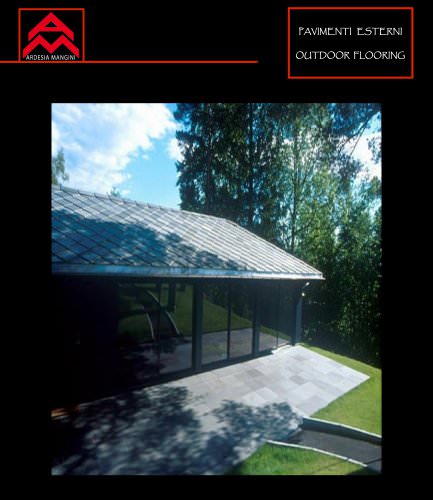 32 PAV ESTERNI DESTRA
1 Page
 31 PAV ESTERNI SINISTRA
1 Page
 30 PAV ESTERNI SINISTRA
1 Page
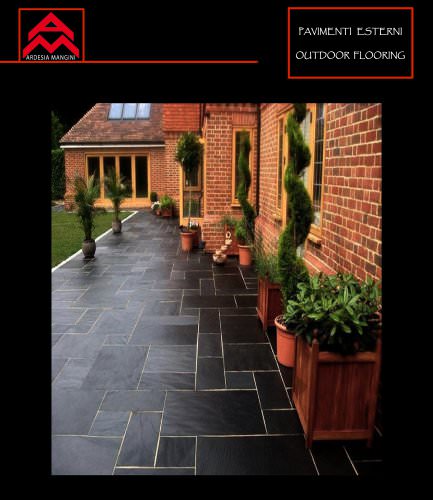 31 PAV ESTERNI DESTRA
1 Page
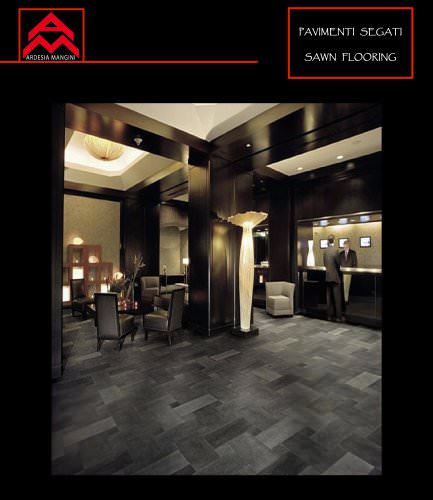 29 PAV SEGATO DESTRA
1 Page
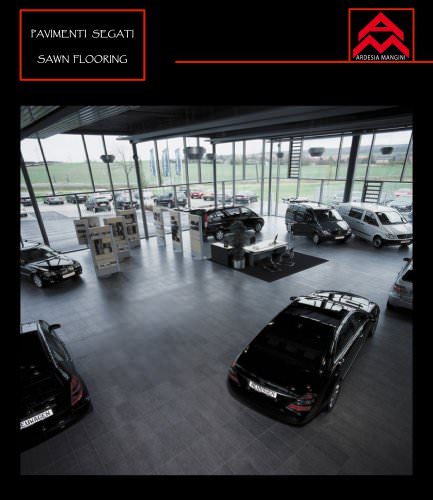 28 PAV SEGATO SINISTRA
1 Page
 24 PAV FIAMMATO SINISTRA
1 Page
 25 PAV FIAMMATO DESTRA
1 Page
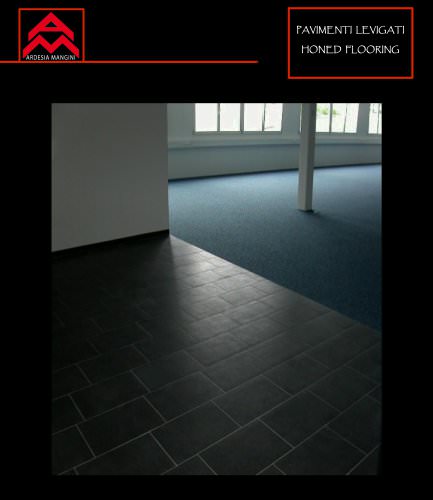 17 PAV LEVIGATO DESTRA
1 Page
 16 PAV LEVIGATO SINISTRA
1 Page
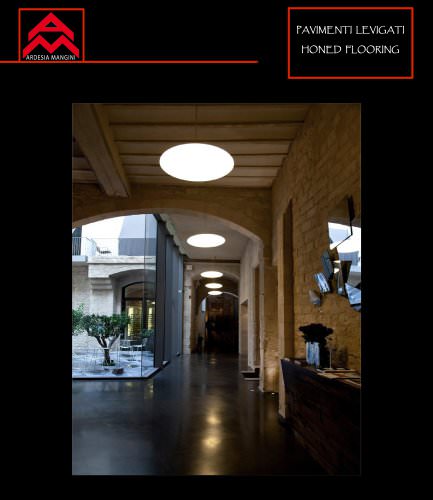 15 PAV LEVIGATO DESTRA
1 Page
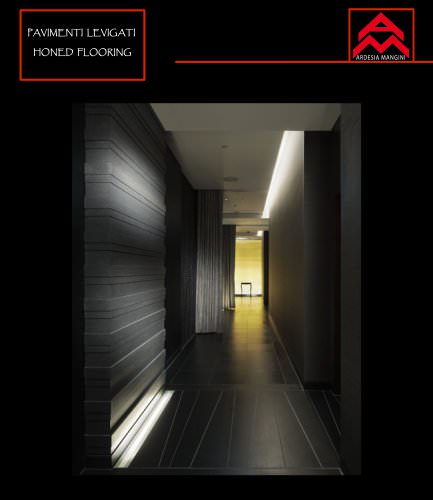 14 PAV LEVIGATO SINISTRA
1 Page
 13 PAV LEVIGATO DESTRA
1 Page
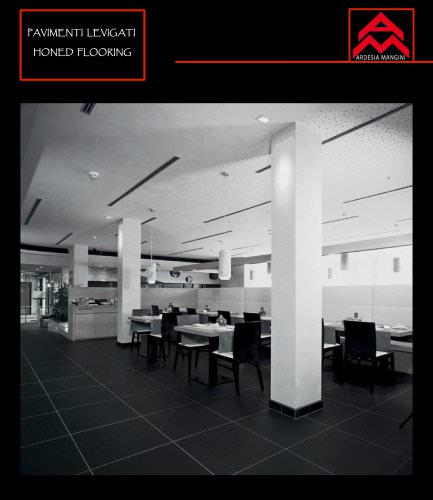 12 PAV LEVIGATO SINISTRA
1 Page
 11 PAV SPACCO DESTRA
1 Page
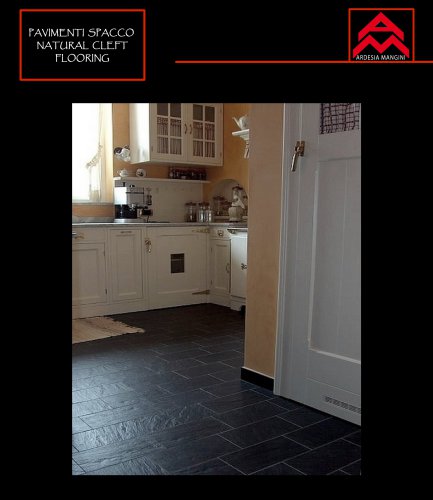 10 PAV SPACCO SINISTRA
1 Page
 9 PAV SPACCO DESTRA
1 Page
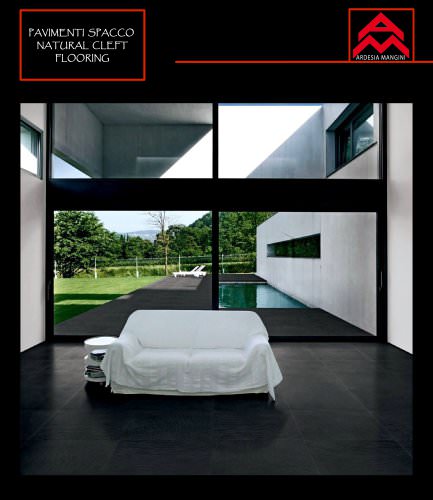 8 PAV SPACCO SINISTRA
1 Page
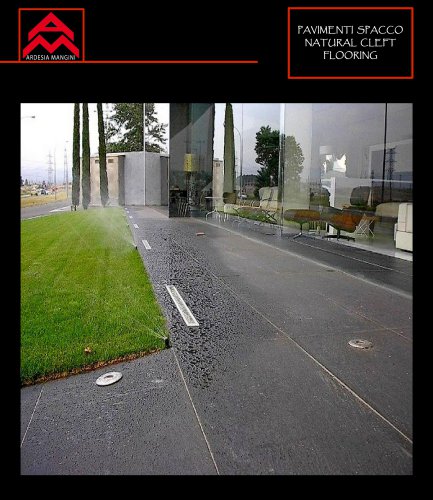 7 PAV SPACCO DESTRA
1 Page
 6 PAV SPACCO SINISTRA
1 Page
 5 PAV SPACCO DESTRA
1 Page
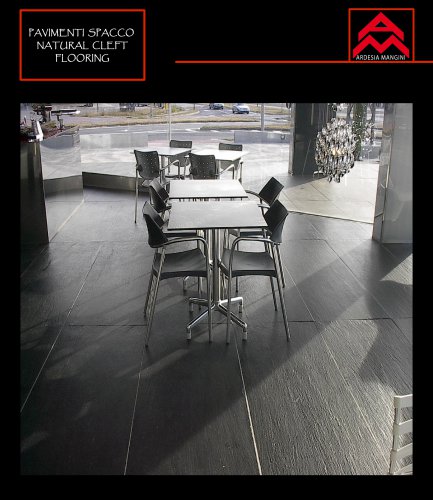 4 PAV SPACCO SINISTRA
1 Page
 3 SUPERFICI DESTRA
1 Page
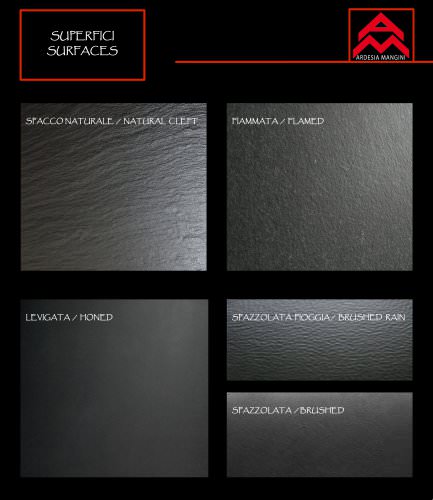 2 SUPERFICI SINISTRA
1 Page
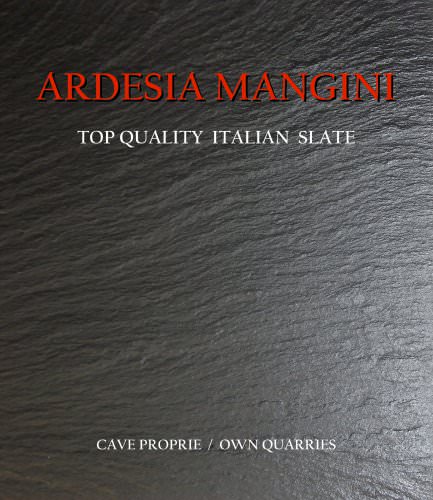 1 COPERTINA
1 Page




*Prices are pre-tax. They exclude delivery charges and customs duties and do not include additional charges for installation or activation options. Prices are indicative only and may vary by country, with changes to the cost of raw materials and exchange rates.
About ArchiExpo
ArchiExpo is a marketplace that offers B2B players a complete experience, from product sourcing to purchase. ArchiExpo is an entity of VirtualExpo Group.
Are you a buyer?
Are you a supplier?